Insulin Expiration: What You Need to Know About Shelf Life and Safety
When you pick up a new bottle of insulin, a life-saving hormone used by millions with diabetes to control blood sugar. Also known as human insulin or insulin analogs, it's not like other medicines—it loses potency fast if not stored right. The expiration date isn't a suggestion. It's the last day you can be sure it works as intended. But here's the thing: insulin doesn't suddenly turn useless on that date. It slowly degrades, especially if it's been exposed to heat, light, or freezing. And that’s dangerous because if your blood sugar stays high, you risk serious complications—ketoacidosis, nerve damage, even hospitalization.
There are two main types of insulin you’re likely to use: unopened vials or pens, and ones you’ve already started. Unopened insulin, should be kept refrigerated between 36°F and 46°F until you use it. Once you open it, the rules change. Most opened insulin lasts 28 days at room temperature, no matter what the bottle says. Some long-acting types, like Lantus or Levemir, can last up to 42 days once opened, but check your specific brand. If you travel or live in a hot climate, keep it cool. A cooler with a cold pack works better than leaving it on the kitchen counter.
Expired insulin, doesn’t turn toxic, but it stops working well enough to control blood sugar. You might notice your numbers climbing even when you dose the same amount. No shaking, no warming up, no trick fixes it. If your insulin looks cloudy when it shouldn’t, has clumps, or smells strange—pitch it. Don’t risk it. And never use insulin that’s been frozen. Even if it thaws, the structure breaks down. Your body won’t respond like it should.
People with diabetes often run low on insulin, especially if they’re uninsured or on a tight budget. That’s why so many of you stretch it past the date. But saving a few dollars isn’t worth your health. Talk to your doctor or pharmacist about samples, patient assistance programs, or cheaper generics. Some pharmacies sell insulin for under $25 without insurance. And if you’re unsure whether your insulin is still good, don’t guess. Call your pharmacy. They’ve seen this before.
What you’ll find below are real, practical posts that dig into insulin use, storage, and safety—like how DPP-4 inhibitors can reduce insulin needs, how to avoid medication errors when switching brands, and what to do if you accidentally use expired insulin. These aren’t theory pieces. They’re written by people who’ve been there: managing diabetes, checking expiration dates, and learning the hard way what works—and what doesn’t.
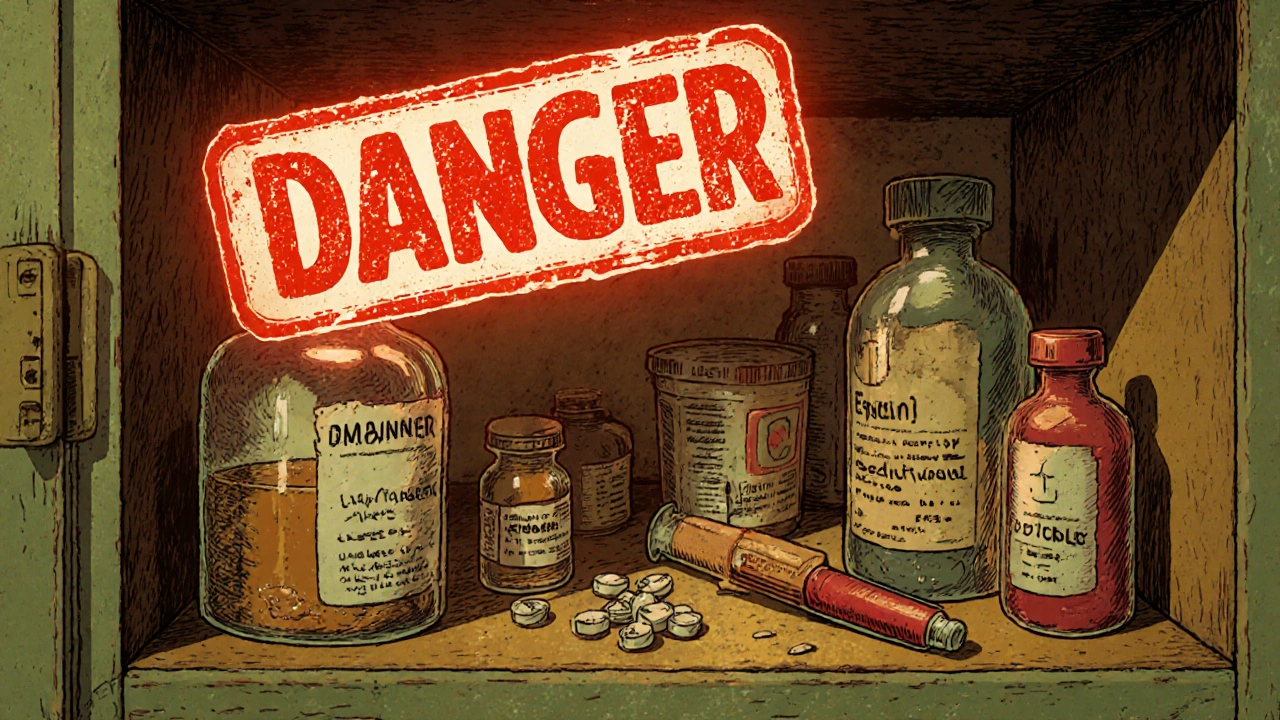
Medications You Should Never Use After the Expiration Date
Some medications lose potency after expiration, but others can become dangerous. Learn which drugs you should never use past their expiration date-including insulin, epinephrine, and liquid antibiotics-and how to store and dispose of them safely.
Read MoreLatest Post
-

-
How to Keep a Symptom Diary for Suspected Drug Reactions 4 December 2025
-

Top Alternatives to CVS.com for Affordable Medications 24 March 2025
-

-