
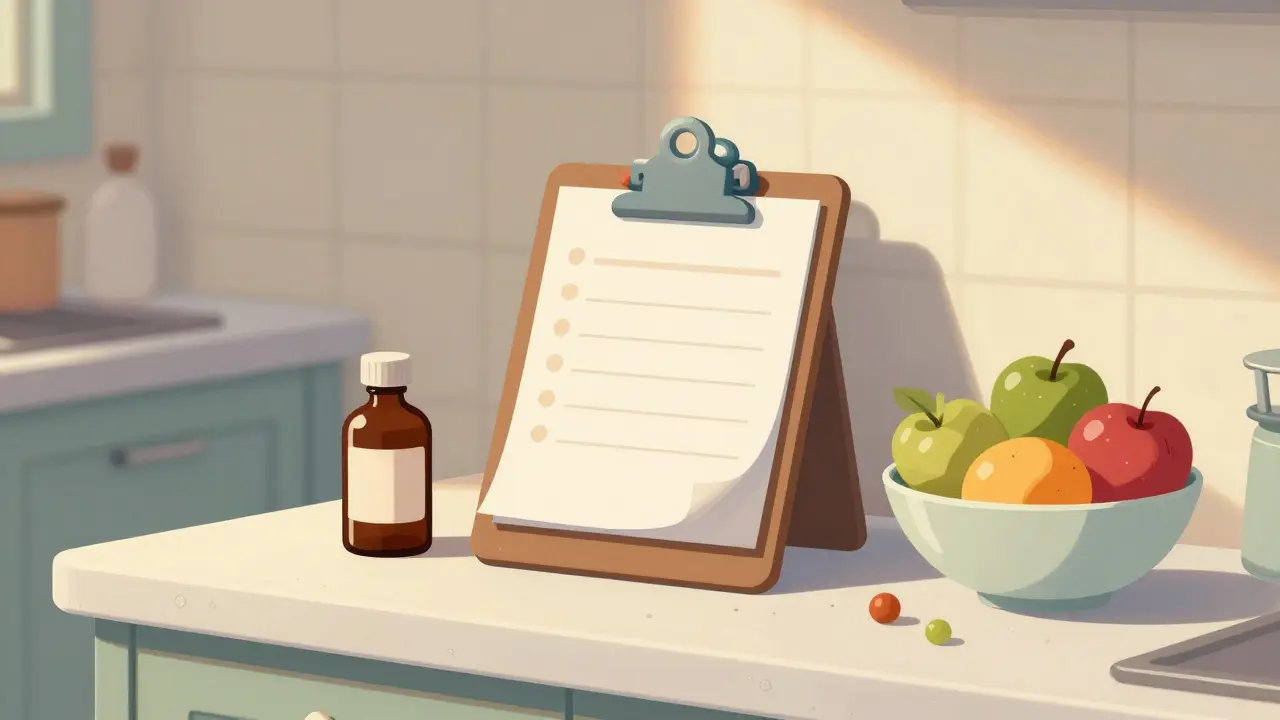
How to Create a Food and Medication Interaction Checklist at Home
You might think you know your medicine like the back of your hand, but have you considered what your breakfast did to your blood pressure? It sounds unlikely, yet many common foods silently change how your prescriptions work inside your body. According to FDA data, around 1.3 million emergency department visits happen every year in the United States because of adverse drug events. A significant chunk of these issues involves food-drug interactions that were never documented. Creating a dedicated checklist isn't just an administrative task; it is a critical safety net for your health. Without it, you are relying on memory in situations where precision saves lives.
What Is a Food and Medication Interaction Checklist?
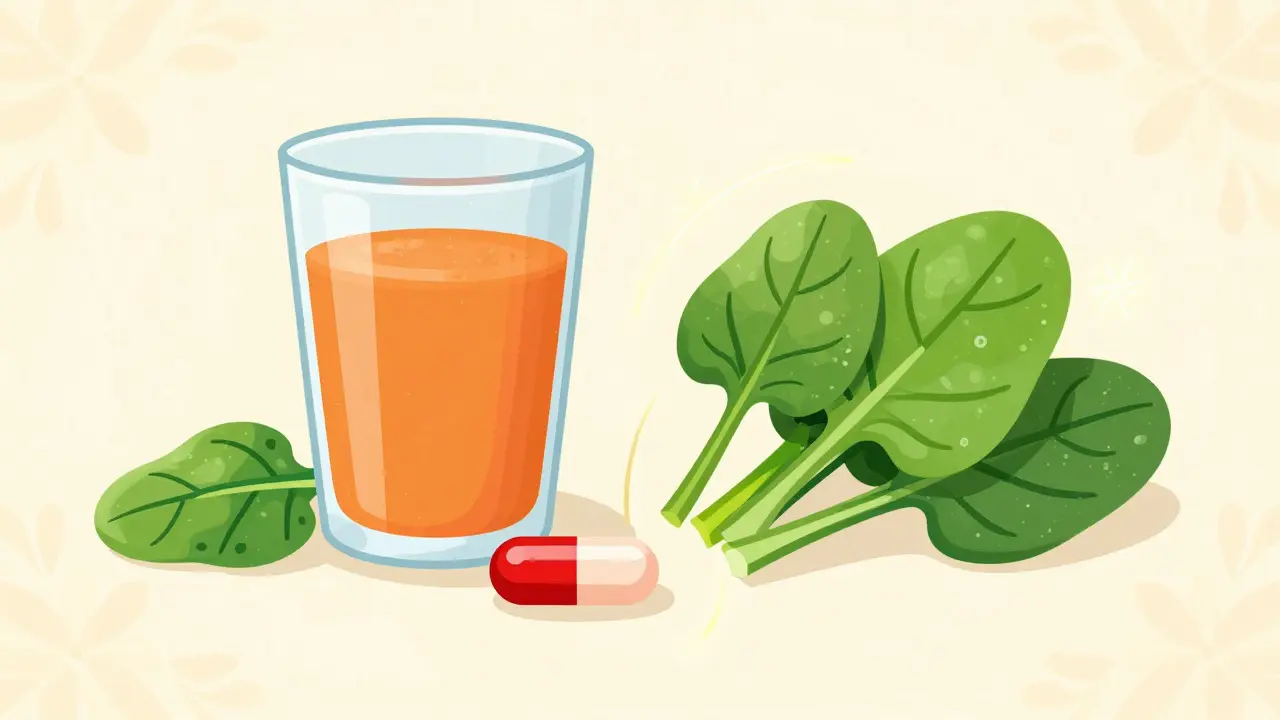
A Food and Medication Interaction Checklist is a personalized record that tracks potential adverse reactions between what you eat and the drugs you take. Unlike a standard list of medications, this tool specifically flags combinations that could make your medicine less effective, increase toxicity, or cause dangerous side effects. For example, while spinach is healthy, eating large amounts of it inconsistently can alter blood thinning levels for people on anticoagulants.
The checklist serves as both a daily reference and a communication bridge during doctor visits. The American Society of Health-System Pharmacists recognizes these tools as vital for medication safety protocols. When you sit down with your provider, having this document ready ensures they understand your full dietary context, not just your pill bottle habits. This proactive documentation is especially crucial for adults over 40, who often manage multiple prescriptions simultaneously.
Essential Elements Your Checklist Must Contain
To be truly useful, your checklist cannot be vague. Each entry needs specific data points that allow you to spot conflicts quickly. Start by listing every substance you consume regularly. This includes prescription drugs, over-the-counter pain relievers, vitamin supplements, and even herbal teas.
- Medication Details: Record the brand name and generic name, dosage (e.g., 5mg), and timing (e.g., once daily at 8 AM).
- Purpose: Write down why you are taking it (e.g., "prevent clots").
- Prescriber Info: Note the doctor’s name and contact number in case of emergency.
- Risk Levels: Mark interactions as High Risk, Moderate Risk, or Low Risk.
- Timing Windows: Document required separation times, such as avoiding dairy within two hours of antibiotics.
Include a column for food specifics. Instead of writing just "green vegetables," specify "raw kale" or "boiled broccoli." Preparation methods matter significantly. Cooking leafy greens reduces vitamin content compared to raw consumption, affecting how your body absorbs certain medications like Warfarin. By including preparation details, you eliminate ambiguity when tracking intake.
Common High-Risk Interactions to Watch For
Some foods act like chemical blockers for your medicine. Knowing the top offenders helps you prioritize what to track first. Here are the most clinically significant interactions to monitor closely.
| MEDICATION CLASS | INTERACTING FOOD | EFFECT |
|---|---|---|
| Statins (Cholesterol) | Grapefruit Juice | Increases drug concentration by up to 500% |
| Warfarin (Blood Thinner) | Vitamin K Rich Foods | Reduces effectiveness of blood thinning |
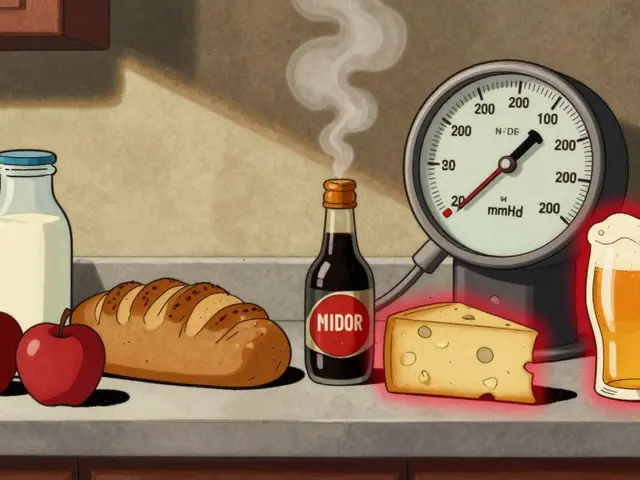
| MAO Inhibitors | Tyramine Foods (Aged Cheese) | Causes dangerously high blood pressure |
| Ciprofloxacin (Antibiotic) | Dairy Products | Blocks absorption of the antibiotic |
The Grapefruit Juice interaction is particularly notorious. It contains compounds that inhibit enzymes in your liver responsible for breaking down drugs. If you take a statin and drink grapefruit juice daily, the drug builds up in your system to toxic levels. Conversely, with warfarin, consistency is key. You don't necessarily have to avoid spinach, but drastic changes in how much you eat each week can destabilize your INR levels.
Foods containing tyramine are another danger zone. These are found in aged cheeses, cured meats, and fermented soy products. If you are on MAO inhibitors, consuming these can trigger a hypertensive crisis. Blood pressure can spike rapidly, leading to stroke risk. Always verify these lists with your pharmacist, as individual metabolism varies.
Paper Versus Digital Checklist Options
You have two main paths to maintaining this record: analog pen-and-paper systems or digital applications. Each has distinct advantages depending on your lifestyle and technology comfort level.
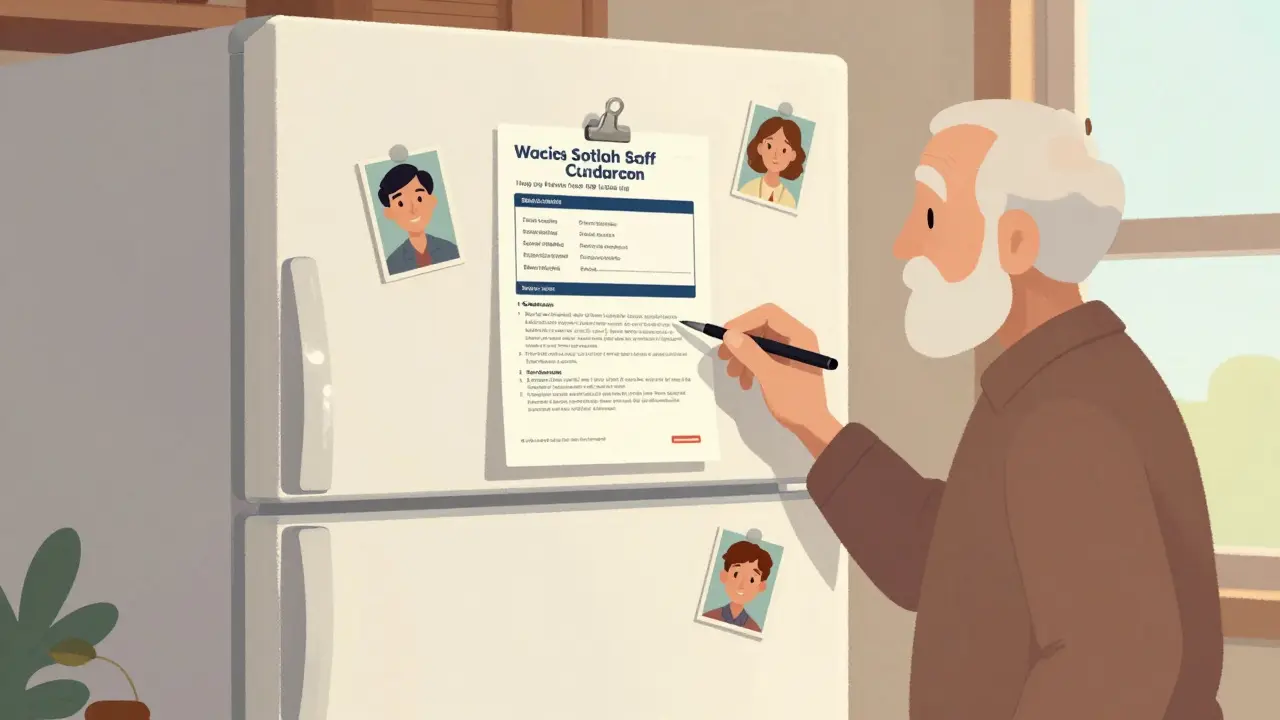
Paper templates, like the one offered in the FDA's "My Medicines" guide, are universally accessible. They do not require batteries or internet access, making them reliable during power outages or emergencies. Approximately 24% of Americans do not own smartphones, so printable PDFs remain a crucial option for inclusivity. You can laminate these sheets and keep one on the refrigerator door for immediate access.
Digital Apps provide dynamic benefits that paper cannot match. Applications such as Medisafe automatically cross-reference databases to alert you if a new prescription interacts with your current diet plan. Studies indicate digital tools reduced medication errors by 42% compared to manual tracking among patients managing five or more drugs. However, they require regular charging and may struggle with regional food variations. An app might flag standard kale but miss a traditional recipe that includes similar ingredients.
For seniors over 75, paper adoption rates are significantly higher due to ease of use. Younger demographics often prefer the integration features of mobile apps. Whichever method you choose, consistency matters more than format. If you won't open the app daily, the paper version is safer.
Step-by-Step Guide to Building Your List
Creating this document doesn't need to take all day. Allocate about 30 to 45 minutes for the initial setup. Follow this structured workflow to ensure accuracy.
- Gather All Containers: Bring together every box and bottle. This includes vitamins, supplements, and occasional painkillers stored in the bathroom cabinet.
- List Active Ingredients: Read the labels to identify generic names. Write these down clearly rather than relying on memory.
- Research Interactions: Use the patient information leaflets included with your drugs. Section 4.5 usually covers administration warnings. Alternatively, consult the New Zealand Formulary interaction checker or ask your pharmacist directly.
- Add Dietary Habits: Be honest about your typical intake. If you drink coffee daily, include caffeine. If you eat fish weekly, log it.
- Assign Severity: Color-code your risks. Use red for strict avoidance (like grapefruit juice for statins) and yellow for timing requirements.
- Add Emergency Contacts: List your primary doctor and two backup contacts in the footer.
Update this list every time you visit a specialist or get a refill. About 68% of medication errors stem from outdated information. Link the update process to your monthly refill schedule so it becomes a routine habit rather than a chore.
Maintaining Accuracy and Safety
Once built, the real work begins: keeping it current. Health is dynamic, and your regimen changes as you age or develop new conditions. Set a calendar reminder for the first week of every month to review your entries.
When visiting the doctor, bring your physical copy or tablet screen. Hand it to them before asking questions. This allows them to see the complete picture immediately. According to the American Heart Association, patients who bring documented records experience improved communication quality with providers. Furthermore, 82% of users report success when the checklist is kept in a visible spot like the refrigerator.
Beware of unverified online sources. While helpful, third-party apps are not regulated strictly. Rely on official government resources or your local pharmacist for verification. In the event of a severe reaction, having this list ready for ER staff speeds up treatment significantly.
Frequently Asked Questions
Do I need to list supplements on my medication checklist?
Yes, absolutely. Supplements like St. John's Wort or calcium can interact strongly with prescription drugs. Many patients overlook these because they consider them "natural," but they still have active pharmacological effects.
Is there a free template available for download?
The FDA provides a free downloadable "My Medicines" template on their website. It is designed to print on standard paper and includes fields for allergies and interactions.
Can I share this checklist with my family members?
Sharing is highly recommended. Keep a copy with adult children or neighbors in case you are incapacitated. Emergency responders can use it to administer safe care.
How often should I update my interaction list?
Review your list monthly. Any time a medication changes dose, is discontinued, or a new food allergy appears, update the document immediately to maintain accuracy.
What defines a high-risk interaction versus low risk?
High risk means immediate danger requiring strict avoidance. Low risk implies generally safe consumption with monitoring. Timing issues, like separating milk from antibiotics, fall under moderate risk.



10 Comments
Rachelle Z
April 2, 2026 at 00:49
Wow!!! Who actually knew breakfast could literally kill you?!??? 🍊😱 Honestly I never checked my orange juice against my pills until this week. 🙄 But now I am paranoid that my morning toast is plotting against my kidneys somehow! 😂 Seriously though, I appreciate the breakdown because my brain melts after three items anyway. 👌✨ Thanks for saving my sanity before I accidentally mix two bad things!
Branden Prunica
April 2, 2026 at 02:04
You think this is dramatic until you are the one holding the drip bag! 😫 It is literally life or death people! Do not joke about dairy blocking antibiotics because I saw a friend waste weeks of treatment over milk. 🥛💥 One wrong sip and suddenly the infection comes back twice as fast! No jokes here. Just pure survival facts that matter! 💥🩺
Ace Kalagui
April 3, 2026 at 06:03
I really appreciate the thoroughness of this guide, especially considering how many families struggle to keep track of everything their elderly parents take every single day without fail. In my community, we often forget that herbal supplements count as medication, so I hope everyone reads about the vitamin sections carefully because those are hidden dangers waiting to happen. It is truly empowering to know that you can build your own safety net right at home without needing expensive tools or special training from a specialist. We should all encourage our neighbors to sit down and write out their lists together, maybe even host a little workshop where people share their tips on organization and storage methods for the paper templates. Consistency is key, sure, but having a support network makes the process less daunting for someone who might feel overwhelmed by medical jargon otherwise. Let us prioritize health literacy for everyone involved, regardless of age group or background status in society today. Thank you for sharing such valuable information that could genuinely prevent a tragic accident from occurring in someone's household unexpectedly. Many people do not realize how quickly conditions change over time if left unchecked by regular reviews. A simple monthly update can save a life when the dosage shifts due to a new condition diagnosis. Pharmacists are great resources but they cannot be present during every meal preparation event throughout the week. Having a physical copy ensures that the information survives even if electronic devices fail during a crisis moment. Family members often do not know exactly what prescriptions their loved ones are currently taking without a dedicated record. Sharing this document builds trust and opens communication channels that were previously closed off by shame. We must normalize the conversation around side effects so that individuals feel comfortable reporting issues without judgment. Taking five minutes to log your food intake creates habits that last a lifetime of health stability. It pays dividends when emergency services arrive and see exactly what is in your system immediately.
Hope Azzaratta-Rubyhawk
April 3, 2026 at 10:14
Do not ignore the severity of these interactions under any circumstances whatsoever. Your negligence regarding dietary constraints will result in catastrophic health failures immediately. Comply with the checklist requirements rigorously to ensure maximum safety outcomes. There is absolutely no room for error when managing anticoagulants daily. Take action now before it is too late for corrective measures.
Mark Zhang
April 4, 2026 at 00:39
That is a really intense perspective and I get that it needs attention but nobody wants to panic unnecessarily either. I find that framing it as a helpful habit rather than a strict mandate works better for most patients trying to adapt. You know how easy it is to get scared into giving up on tracking altogether if it feels too overwhelming right away. My goal is always to meet people where they are currently at in their journey toward better health management strategies. We can definitely learn from your urgency, but kindness goes further in changing behavior long term.
Will Baker
April 4, 2026 at 12:08
So you're saying empathy solves high blood pressure crises? How convenient for you when it's not your kidney failure on the line. People care more about their feelings than their actual survival rates in emergencies like these situations. Nice sentiment but useless when you are lying on a stretcher gasping for air. Spare the lecture and grab the pill bottle instead of wasting words.
simran kaur
April 5, 2026 at 02:58
Obviously big pharma wants you to think food causes the problem instead of acknowledging their drugs are flawed garbage designed to keep you sick forever. The FDA data mentioned is conveniently ignored when it doesn't fit the narrative of profit margins over human well-being naturally. Trusting a checklist is a fool's errand compared to listening to your body's intuition which tells you exactly what your system rejects. Most people are too brainwashed to realize that nature cures while synthetic chemicals require constant monitoring sheets to function properly. I suggest avoiding the entire concept entirely until you verify who funds these recommendations explicitly.
Brian Shiroma
April 6, 2026 at 20:40
Enjoy your conspiracy theories while the rest of us try to avoid stroke risks caused by actual chemical reactions. Your intuition is likely failing you faster than any printed document ever could possibly manage to handle. Science exists for a reason and ignoring established medical advice usually ends badly for the stubborn individual. Keep telling yourself the government is watching your spinach consumption if it helps you sleep at night tonight.
Jenna Carpenter
April 6, 2026 at 22:15
Stop beign lazy and do it for yourslef.
angel sharma
April 7, 2026 at 06:06
Let us channel this energy into immediate positive action and transform our households into zones of supreme health awareness and preparedness for every possible contingency scenario ahead of time. Imagine the power we hold when we fully understand the interaction dynamics between our nutritional intake and pharmaceutical interventions prescribed by professional doctors. By committing to this task we demonstrate respect for our own bodily functions and the incredible complexity of biological systems functioning daily. We can inspire others around us to join the movement towards proactive healthcare management through our personal examples of diligence. Do not let fear stop you from taking control of your future wellbeing through simple documentation practices today. Start now and see the benefits roll in over time without fail.