
Apostrophe Pharma Guide - Page 2

How to Create a Food and Medication Interaction Checklist at Home
Learn how to create a vital home checklist for tracking food and medication interactions to prevent dangerous adverse events and manage health safely.
Read More
Mycophenolate GI Side Effects: Comprehensive Management Guide
Learn how to manage mycophenolate side effects like nausea and diarrhea. Covers formulation switches, dietary tips, and when to seek medical help for transplant patients.
Read More
Evening Primrose Oil Safety: Managing Seizure Risks with Antipsychotics
Explore the conflicting medical advice regarding Evening Primrose Oil and seizure risks. Learn about interactions with antipsychotics like Quetiapine and how to manage safety.
Read More
Large Print and Accessible Prescription Labels for Low Vision: A Complete Guide
A comprehensive guide to large print and accessible prescription labels for low vision. Learn about legal requirements, label types, technical specs, and how to request them at your pharmacy to improve medication safety.
Read More
Post-Menopausal Women and Medication Changes: Safety Considerations
Post-menopausal women face unique medication risks due to hormonal shifts, slower metabolism, and polypharmacy. Learn how hormone therapy, common drugs, and deprescribing impact safety-and what steps to take now.
Read More
How to Prepare for Allergy Testing for Antibiotic Reactions
Over 90% of people who think they're allergic to penicillin aren't. Learn how to prepare for accurate antibiotic allergy testing to avoid unnecessary drug restrictions, reduce costs, and improve treatment options.
Read More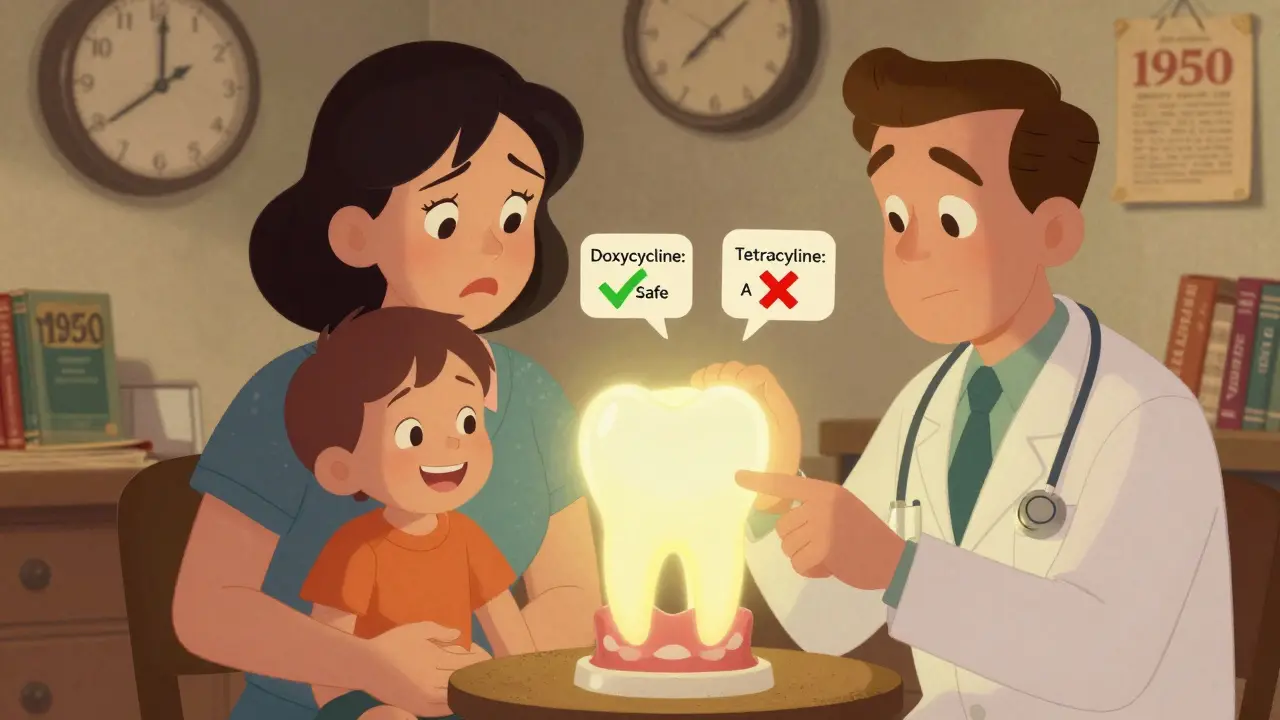
Tetracyclines and Tooth Discoloration in Children: What Parents and Doctors Need to Know Now
Tetracyclines once caused permanent tooth stains in children - but doxycycline is different. New evidence shows short courses are safe, even under age 8. Here's what parents and doctors need to know now.
Read More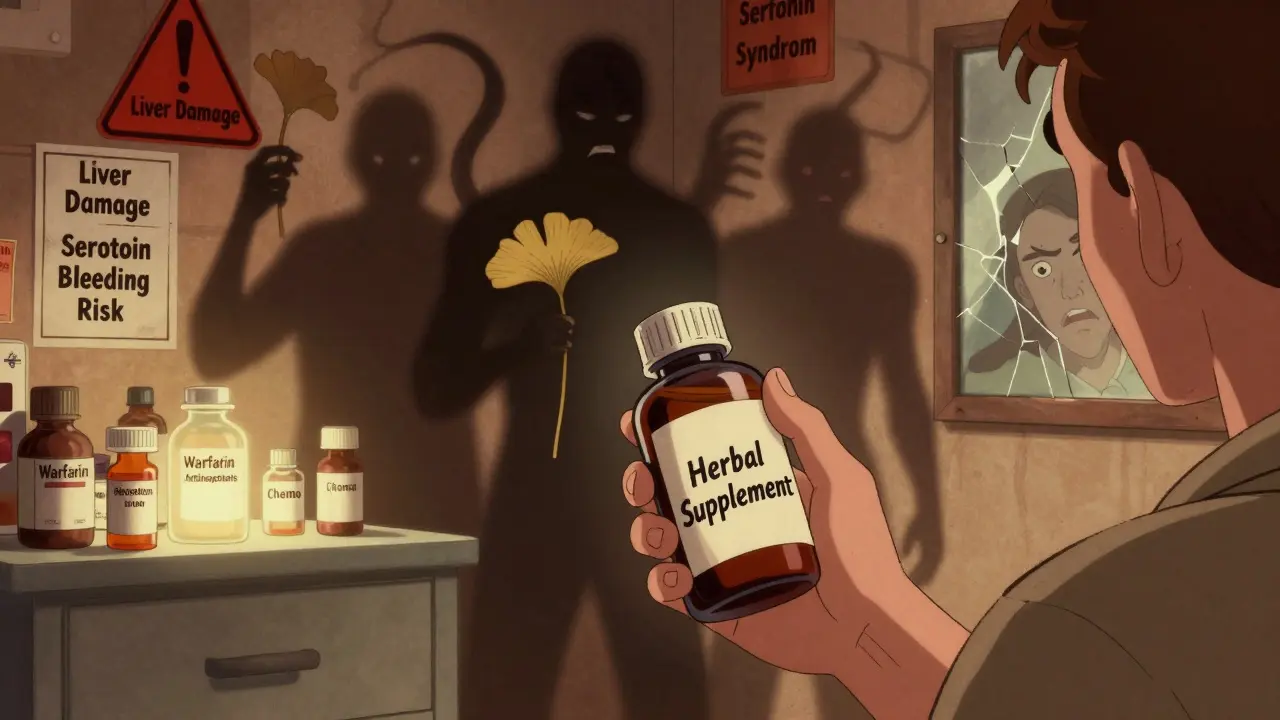
Risks Associated with Any Medication or Dietary Supplement
Dietary supplements and medications both carry serious risks, including dangerous interactions, overdose, and life-threatening side effects. Learn how to protect yourself from hidden dangers and why 'natural' doesn't mean safe.
Read More
Feverfew and Anticoagulants: Understanding the Bleeding Risk
Feverfew may help with migraines, but if you're on blood thinners like warfarin, it can dangerously increase bleeding risk. Learn how this common herb interacts with anticoagulants and what steps to take for safety.
Read More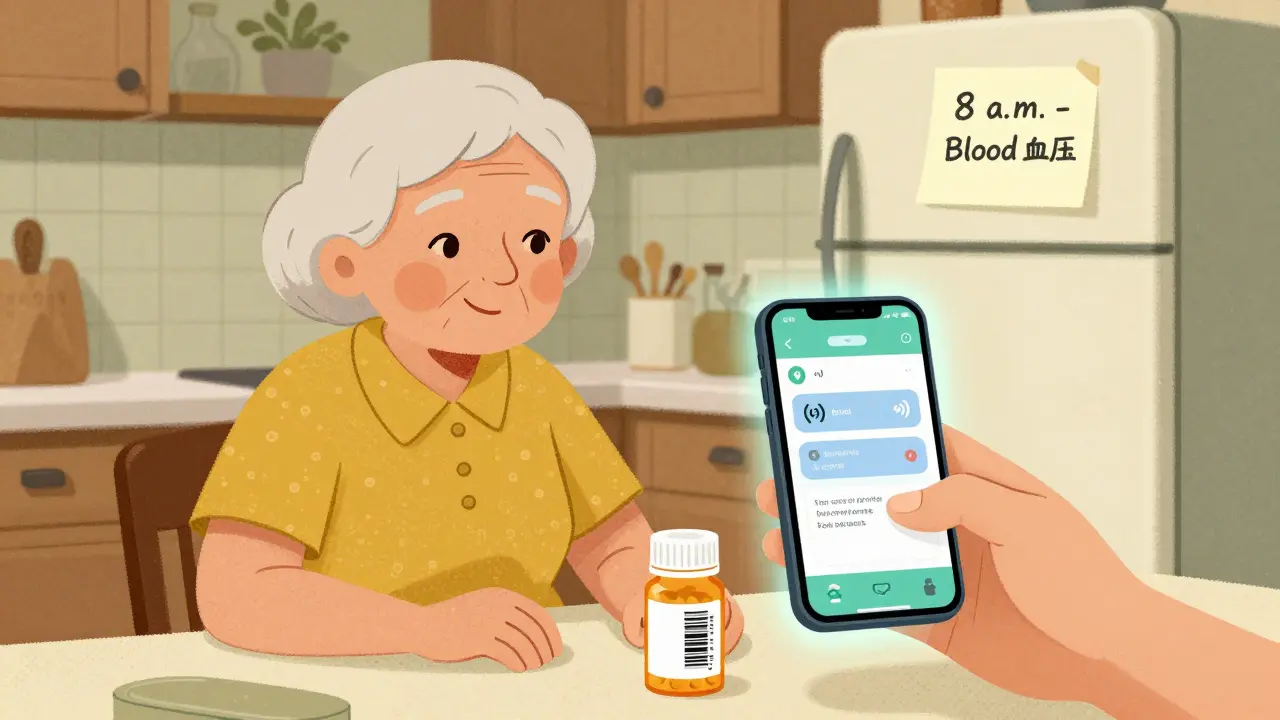
Setting Up Medication Reminders and Alarms That Work
Setting up medication reminders that actually work means more than just setting alarms. Learn how to use pharmacy sync, camera confirmation, and staggered alerts to boost adherence and avoid missed doses.
Read MoreLatest Post
-

-

-
-

-
Valacyclovir Overdose: Symptoms and What to Do 2 June 2023