DPP-4 Inhibitor Warnings: What You Need to Know About Risks and Safety
When you're managing type 2 diabetes, a DPP-4 inhibitor, a class of oral diabetes medications that help the body maintain normal blood sugar levels by boosting natural insulin release. Also known as gliptins, these drugs work differently than insulin or metformin — they don’t force your body to produce more insulin, they just help it use what it already makes more effectively. But just because they’re targeted doesn’t mean they’re risk-free. Many people assume newer drugs are safer, but that’s not always true. The FDA has issued warnings about serious side effects tied to these medications — and you need to know what they are.
One of the biggest concerns is pancreatitis, inflammation of the pancreas that can turn life-threatening if not caught early. While rare, cases linked to DPP-4 inhibitors like sitagliptin and saxagliptin have been reported. Symptoms? Severe, lasting belly pain that radiates to your back, nausea, vomiting. If you feel this way after starting one of these drugs, don’t wait — get checked. Another hidden risk is hypoglycemia, dangerously low blood sugar, especially when DPP-4 inhibitors are mixed with insulin or sulfonylureas. You might think these drugs are gentle, but when combined with other meds, they can drop your sugar too far, too fast. And then there’s the issue of joint pain — some users report intense, persistent discomfort that goes away only after stopping the drug. It’s not common, but enough people have reported it that the FDA added it to the label.
What’s missing from most patient conversations is how these drugs interact with other conditions. If you have heart failure, some DPP-4 inhibitors may make it worse. If you’re over 75, kidney function drops naturally — and that changes how your body clears these drugs. Dose adjustments aren’t optional; they’re critical. And don’t assume natural supplements are safe to mix with them. Licorice, for example, can mess with blood pressure meds you might also be taking, and that adds another layer of risk you didn’t plan for.
The posts below aren’t just about how DPP-4 inhibitors work — they’re about what happens when things go wrong. You’ll find real stories about dose errors, hidden interactions, and how patients caught warning signs before it was too late. Whether you’re on one of these drugs now, considering it, or helping someone who is, this collection gives you the unfiltered facts — not the marketing, not the brochures, just what you need to stay safe.
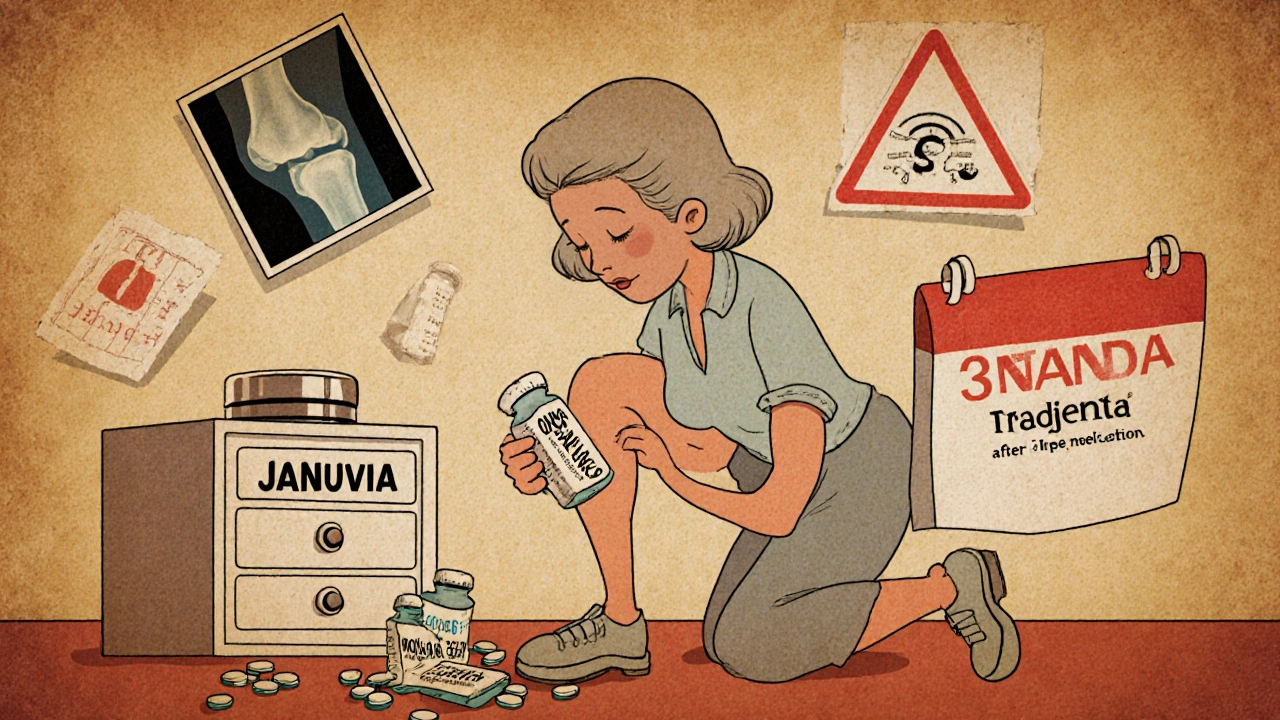
DPP-4 Inhibitors and Joint Pain: What You Need to Know
DPP-4 inhibitors help manage type 2 diabetes but can cause severe joint pain. Learn the signs, what the FDA says, how to recognize it, and what to do if you're affected.
Read MoreLatest Post
-

-
-
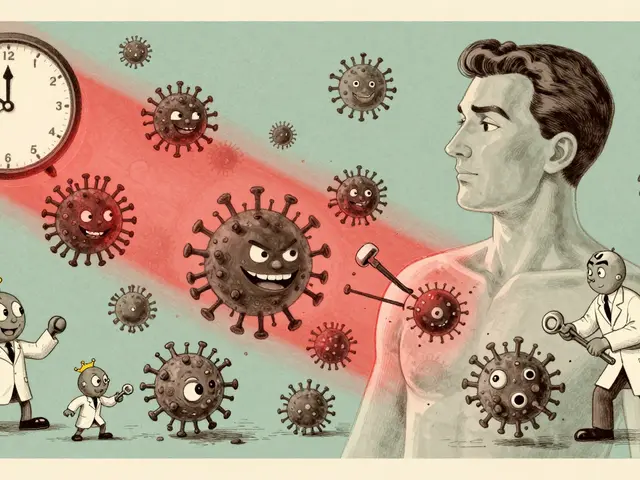
Antiviral Medications: Treatment Options for Viral Infections 18 December 2025
-

-