
DPP-4 Inhibitors: How These Diabetes Drugs Work and What You Need to Know
When you have DPP-4 inhibitors, a class of oral medications used to lower blood sugar in type 2 diabetes by enhancing the body’s own insulin response. Also known as gliptins, these drugs don’t force your pancreas to make more insulin—they help your body use what it already makes more effectively. Unlike insulin shots or drugs that force cells to absorb sugar, DPP-4 inhibitors work quietly in the background, protecting the hormones that tell your body when to release insulin and when to stop making glucose.
These drugs are often used when metformin alone isn’t enough, or when patients need a treatment that doesn’t cause weight gain or low blood sugar. Vidagliptin, a specific DPP-4 inhibitor studied for its ability to reduce insulin needs in type 2 diabetes, is one example that’s shown real results in clinical trials—some people end up taking less insulin because their body starts regulating sugar better on its own. They’re not magic, but they’re reliable. Most people tolerate them well, with fewer side effects than older diabetes drugs. And unlike some treatments, they don’t push your pancreas into overdrive, which helps preserve its function over time.
What makes DPP-4 inhibitors different is how they connect to your body’s natural systems. They block an enzyme called DPP-4, which normally breaks down GLP-1 and GIP—two hormones your gut releases after eating. These hormones tell your pancreas to make insulin and tell your liver to stop pumping out sugar. By keeping them active longer, DPP-4 inhibitors help your body respond more like it did before diabetes set in. That’s why they’re often paired with other meds like metformin or SGLT2 inhibitors—they fill a gap in how your body handles food, not just how it stores sugar.
You won’t find them in every diabetes plan, but they’re a smart middle ground. They’re not as aggressive as insulin, not as risky as some older pills, and they don’t usually cause weight gain. People who struggle with low blood sugar or who are trying to avoid injections often find them helpful. But they’re not for everyone—your kidney function, other meds, and how advanced your diabetes is all matter. That’s why you’ll see posts here covering real-world comparisons, like how vidagliptin stacks up against other options, or how it can help reduce insulin doses without crashing blood sugar.
What you’ll find below isn’t just a list of articles—it’s a practical toolkit. You’ll see how these drugs fit into daily life, what studies actually show about their long-term effects, and how they interact with other treatments. There’s no fluff, no marketing speak. Just clear, real info from people who’ve used them, doctors who’ve prescribed them, and data that backs up what works.
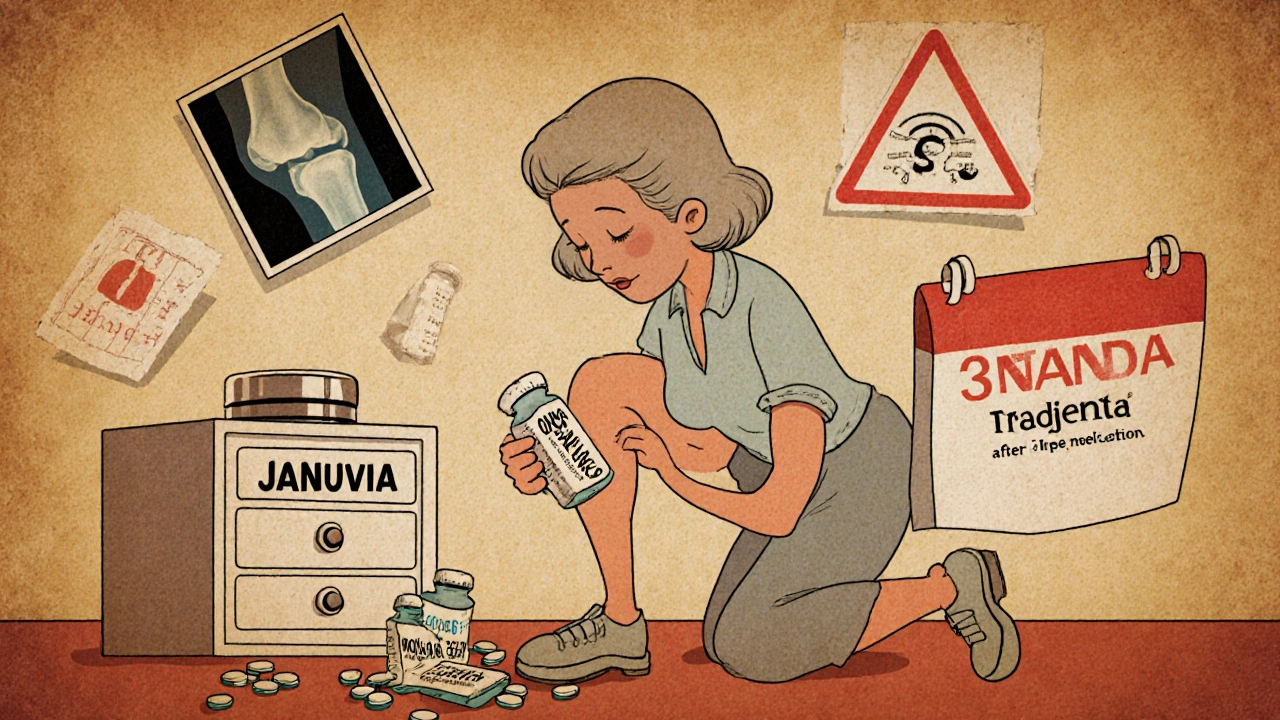
DPP-4 Inhibitors and Joint Pain: What You Need to Know
DPP-4 inhibitors help manage type 2 diabetes but can cause severe joint pain. Learn the signs, what the FDA says, how to recognize it, and what to do if you're affected.
Read MoreLatest Post
-

How to Buy Cheap Generic Premarin Online Safely 26 September 2025
-
-

-

-

How Chiropractic Care Can Ease Seasonal Allergy Symptoms 16 October 2025