Formulary Exception: When Insurance Denies Your Drug and What to Do
When your insurance refuses to cover a medication you need, that’s called a formulary exception, a formal request to bypass a plan’s restricted drug list. Also known as a coverage appeal, it’s your legal right under most health plans to get access to drugs not on their approved list—especially if cheaper alternatives won’t work for you. This isn’t about wanting the latest brand-name drug. It’s about survival: if your body reacts badly to every generic on the formulary, or if you’re on a drug that’s been dropped for cost reasons, a formulary exception is often the only way to keep treatment going.
Formulary restrictions happen because insurers build lists of preferred drugs based on cost, not clinical need. But prior authorization, a step where your doctor proves a drug is medically necessary before coverage is just the first hurdle. If that’s denied, you escalate to a full formulary exception, a written appeal backed by medical evidence. You’ll need your doctor to explain why alternatives failed—like when levothyroxine caused heart palpitations, or warfarin didn’t stabilize your INR. These aren’t hypotheticals. They show up in real patient stories, like those in our posts about dose adjustments after switching generics or transplant patients on tacrolimus who can’t risk formulary switches.
Some drugs trigger exceptions more than others. High-cost biologics, rare disease treatments like everolimus for tuberous sclerosis, or older drugs with narrow therapeutic windows like phenytoin often get blocked. Even common meds like insulin or epinephrine can be denied if the plan pushes a cheaper version with different absorption. And if you’re on a combo pill like Combivir for HIV, switching to separate generics could break your regimen. That’s why formulary exceptions matter—they protect continuity of care.
Getting one isn’t magic. It’s paperwork. Your doctor fills out a form, attaches lab results, and writes a letter. You might need to try two other drugs first. But if you’ve already tried those and they made you sick? That’s your case. Many patients give up after the first denial. But the data shows over 60% of appeals succeed when properly documented. And if your plan still says no? You can appeal again, or go to your state’s insurance commissioner. This isn’t just about money—it’s about your health staying stable.
Below, you’ll find real-world examples of how people fought for access to critical meds—whether it was after a liver transplant, managing diabetes with DPP-4 inhibitors, or avoiding dangerous interactions with licorice and blood pressure drugs. These aren’t abstract rules. They’re lived experiences. And if you’re stuck, you’re not alone.
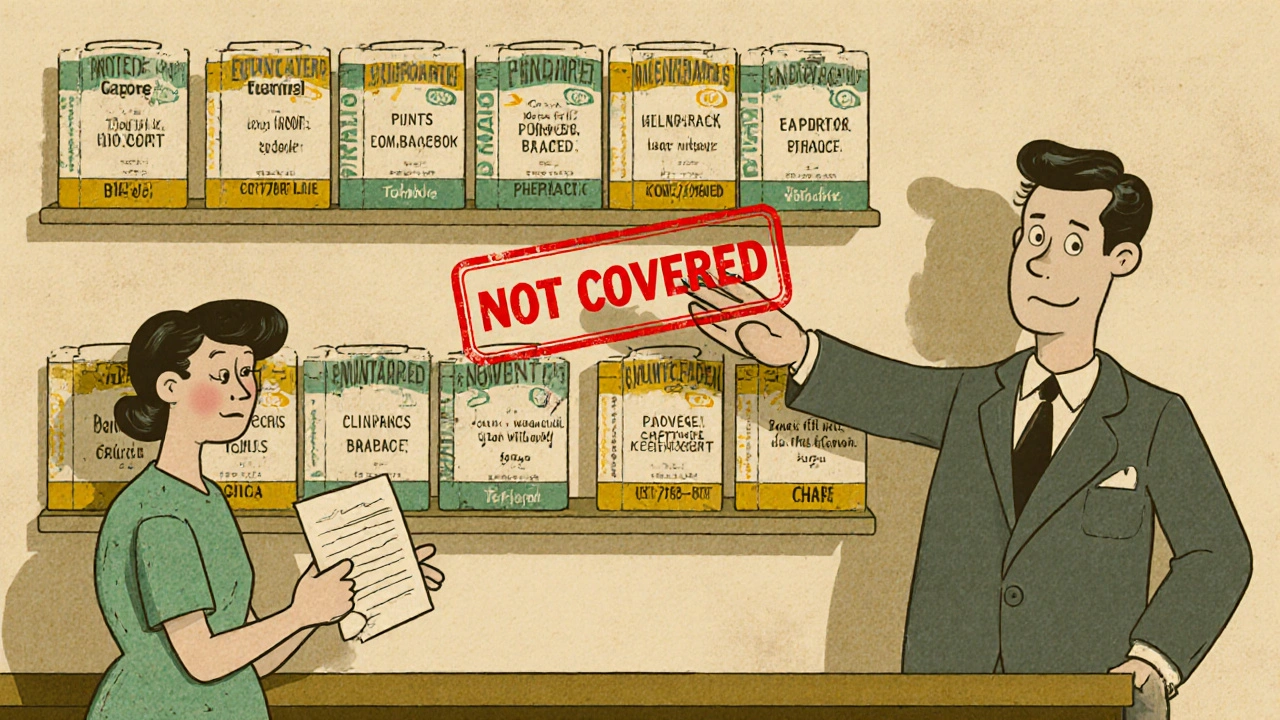
Non-formulary generics: what to do when coverage is denied
When your insurance denies coverage for a generic drug, you’re not out of options. Learn how to appeal non-formulary generic denials using federal exceptions processes, clinical documentation, and state-specific rights to get the medication you need.
Read MoreLatest Post
-
Tylenol vs Pain Reliever Alternatives: Detailed Comparison 18 October 2025
-
-

-
-