Hearing Repair: What Works, What Doesn't, and What You Need to Know
When your hearing starts to fade, it’s not just about missing words—it’s about missing moments. hearing repair, the process of restoring or improving auditory function through medical, technological, or rehabilitative means. Also known as auditory restoration, it’s not a single fix but a mix of tools, timing, and personal needs. Many people assume hearing loss is just part of aging, but that’s not true. Sometimes, it’s caused by something treatable—like earwax buildup, an infection, or even a medication side effect. Other times, it’s nerve damage, and that’s where things get more complex.
That’s where hearing aids, small electronic devices that amplify sound to help the ear process it better. Also known as audio amplifiers, they are the most common solution for mild to moderate hearing loss. They don’t fix your ears—they help your brain hear better. Then there’s cochlear implants, surgically implanted devices that bypass damaged parts of the ear and directly stimulate the auditory nerve. Also known as nerve stimulators, they are for people with severe to profound loss who get little benefit from hearing aids. These aren’t magic—they require surgery, months of rehab, and brain adaptation. But for many, they bring back conversations, music, even the sound of a grandchild’s laugh.
Then there’s tinnitus, the ringing, buzzing, or hissing in the ears that often comes with hearing loss. Also known as phantom noise, it isn’t a disease, but a symptom. And while you can’t always silence it, you can manage it—through sound therapy, cognitive training, or even certain supplements. And let’s not forget auditory rehabilitation, the training that helps your brain adjust to new or improved hearing. Also known as hearing therapy, it is often skipped, but it’s one of the most overlooked parts of recovery. You can have the best hearing aid in the world, but if your brain hasn’t relearned how to filter out background noise, you’ll still feel frustrated.
What you won’t find in this collection are miracle cures or gimmicks. No ear candles, no magnetic necklaces, no unproven herbal drops. What you will find are real stories, real data, and real comparisons—like how different hearing aids stack up, what the FDA says about certain supplements for ear health, and how medications like those for high blood pressure or diabetes can quietly affect your hearing. You’ll see how patient advocacy changed access to treatments, how drug interactions can worsen hearing loss, and how natural remedies sometimes help—when they’re backed by science.
This isn’t about fixing your ears overnight. It’s about understanding your options, knowing what’s proven, and finding the path that fits your life. Whether you’re just noticing you’re asking people to repeat themselves, or you’ve been living with hearing loss for years, there’s something here that can help you take the next step—without hype, without fluff, just clear, practical info.
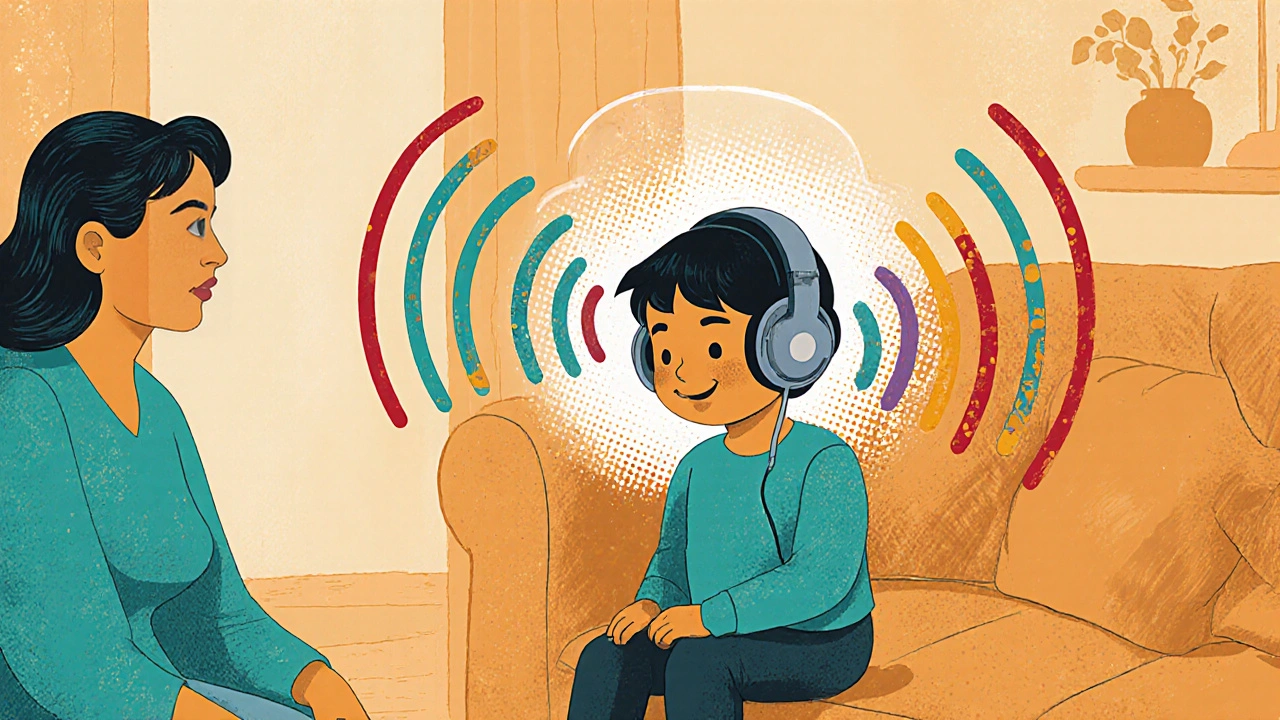
Conductive Hearing Loss: Causes, Diagnosis, and Surgical Solutions for Middle Ear Problems
Conductive hearing loss is often caused by middle ear issues like fluid, perforated eardrums, or fused bones. Learn how diagnosis works, when surgery is needed, and what modern procedures like stapedotomy and tympanoplasty can achieve.
Read More