Levothyroxine Dose: What You Need to Know About Dosage, Adjustments, and Monitoring
When your thyroid doesn’t make enough hormone, levothyroxine, a synthetic form of the thyroid hormone T4 used to treat hypothyroidism. Also known as synthroid, it’s one of the most commonly prescribed pills in the world — but getting the dose right is where most people struggle. Too little and you’ll still feel tired, cold, and sluggish. Too much and you might get heart palpitations, weight loss, or anxiety. It’s not just about taking a pill — it’s about fine-tuning a system that affects your energy, mood, weight, and even your heart.
The starting dose of levothyroxine isn’t one-size-fits-all. For a healthy adult under 50, doctors often begin with 50 to 75 micrograms daily. But if you’re older, have heart disease, or are severely hypothyroid, they might start as low as 25 mcg. Your weight, age, other meds, and even how your liver and kidneys work all play a role. TSH levels, a blood test that measures thyroid-stimulating hormone from the pituitary gland are the main guide. Most people need a blood test every 6 to 8 weeks after starting or changing dose until levels stabilize. Then, once a year is usually enough — unless something changes.
Many things can throw off your levothyroxine dose. Iron, calcium, antacids, and even soy or fiber supplements can block absorption if taken at the same time. That’s why most doctors tell you to take it on an empty stomach, 30 to 60 minutes before breakfast. Coffee? Wait at least an hour. Switching brands? Even generic versions can vary slightly — and that small difference can matter. Some people need to stick with one brand. And if you’re pregnant, your dose often needs to go up — sometimes by 30% or more — because your body uses more thyroid hormone to support the baby.
It’s not just about the number on the pill bottle. Your symptoms matter too. Two people with the same TSH level might feel completely different. One might be fine at 100 mcg, another might still feel exhausted. That’s why your doctor should look at both your lab results and how you feel. If you’re still tired after months on levothyroxine, don’t just assume it’s normal. Ask about free T4, free T3, or even thyroid antibodies. You might need more than just TSH.
And don’t forget the long-term stuff. Too high a dose over years can weaken your bones or stress your heart. Too low and you risk high cholesterol, weight gain, or even heart problems down the line. That’s why regular check-ins aren’t optional — they’re part of managing a lifelong condition.
Below, you’ll find real-world guides from people who’ve been there: how to spot when your dose is off, what to ask your doctor at appointments, how insurance can mess with your prescription, and why some meds just won’t work right if you’re also taking something else. These aren’t theory pieces — they’re practical, tested advice from patients and providers who know what works — and what doesn’t.
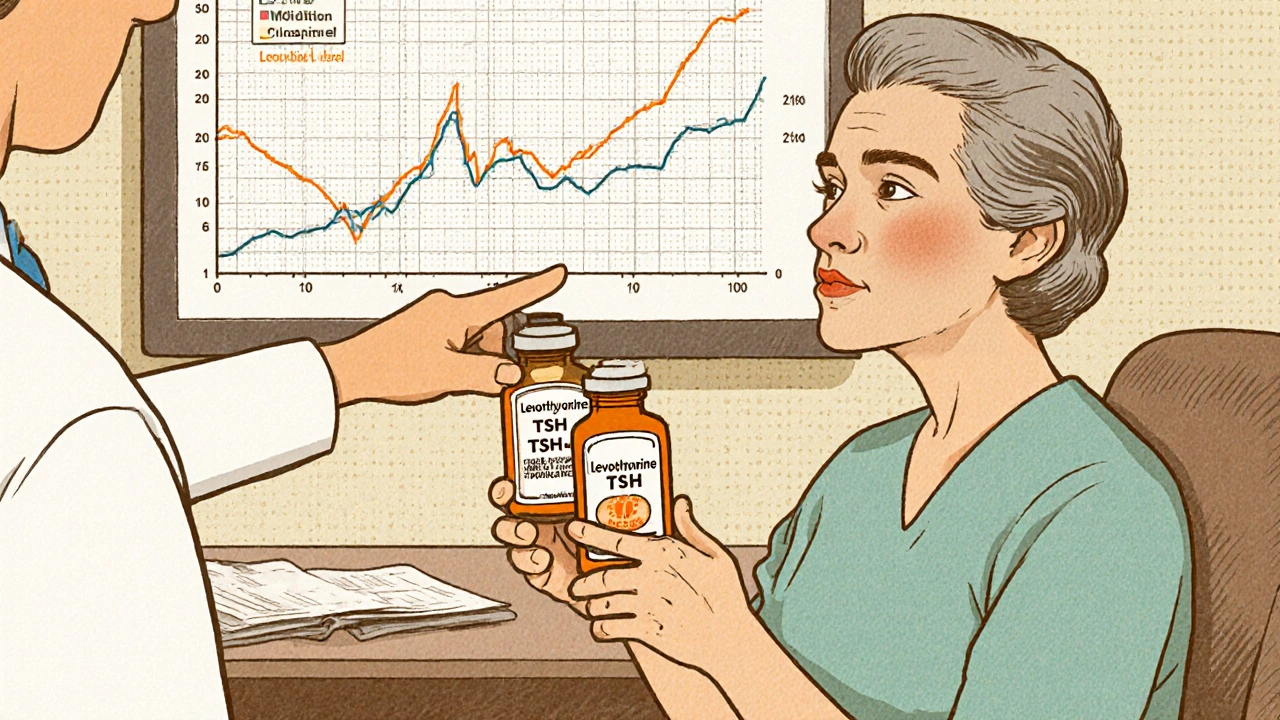
When Doctors Adjust Doses After Switching to Generic Medications
Switching to generic medications can be safe-but not for all drugs. For narrow therapeutic index drugs like levothyroxine and warfarin, even small changes in formulation can require dose adjustments. Here’s what you need to know.
Read More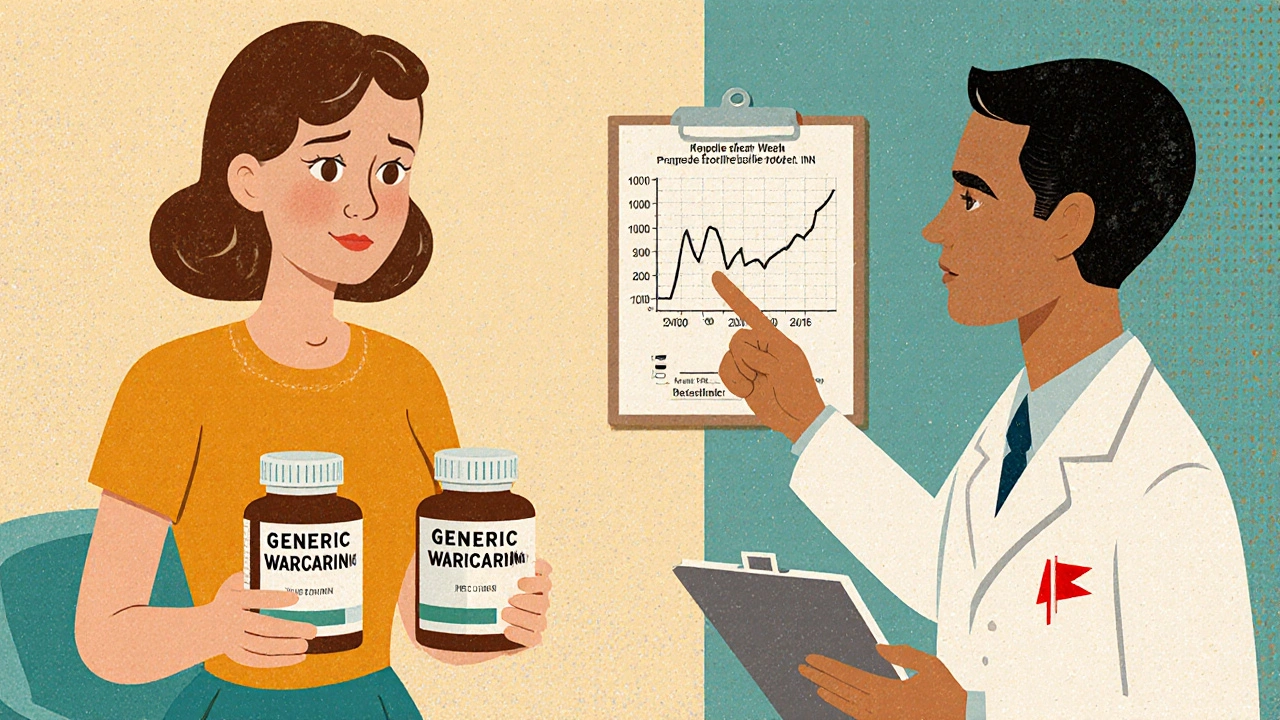
When Doctors Adjust Doses After Switching to Generic Medications
Switching to generic medications can be safe-but for certain drugs like warfarin, levothyroxine, and phenytoin, even small changes can cause serious side effects. Learn when dose adjustments are needed and how to protect yourself.
Read MoreLatest Post
-
-

-

-

How Atrophic Gastroenteritis Links to Chronic Fatigue Syndrome 22 September 2025
-