Medication Guide: What You Need to Know About Safe Use, Interactions, and Costs
When you pick up a prescription, you’re not just getting a pill—you’re getting a medication guide, a set of instructions and risk information required by the FDA to help patients use drugs safely. Also known as a patient information leaflet, it’s your first line of defense against side effects, dangerous interactions, and hidden risks. But most people never read it. Or worse, they read it once and forget. That’s a mistake. The medication guide tells you when a drug can cause joint pain, raise your INR, or trigger liver damage. It’s not filler. It’s life-saving info, buried in small print.
Behind every medication is a story of risk and trade-offs. Take generic medications, lower-cost versions of brand-name drugs that are chemically identical but sometimes trigger different reactions in sensitive patients. For most people, switching to a generic is safe and saves money. But for drugs with a narrow therapeutic index—like warfarin, levothyroxine, or phenytoin—even tiny differences in how the body absorbs the drug can cause serious harm. That’s why some doctors adjust doses after a switch. And why you need to track symptoms if you change brands. Then there’s drug interactions, when one medication changes how another works in your body. Bactrim can spike your INR. Licorice can wreck your blood pressure meds. Antibiotics can make expired insulin useless—or worse, dangerous. These aren’t rare edge cases. They happen every day.
And let’s talk about cost. The pharmaceutical prices, what you pay for drugs across different countries and insurance plans, make no sense. The same pill costs ten times more in the U.S. than in Canada. Generics are cheaper, but not always covered. Insurance might deny your formulary generic, forcing you to appeal. Medicare Part D has tiers, caps, and loopholes. You’re not being overcharged because you’re dumb—you’re being overcharged because the system is broken. Knowing how pricing works helps you fight back. You can ask for alternatives. You can appeal denials. You can use a symptom diary to prove a reaction happened. You can learn to read a medication guide like a detective, not a passive recipient.
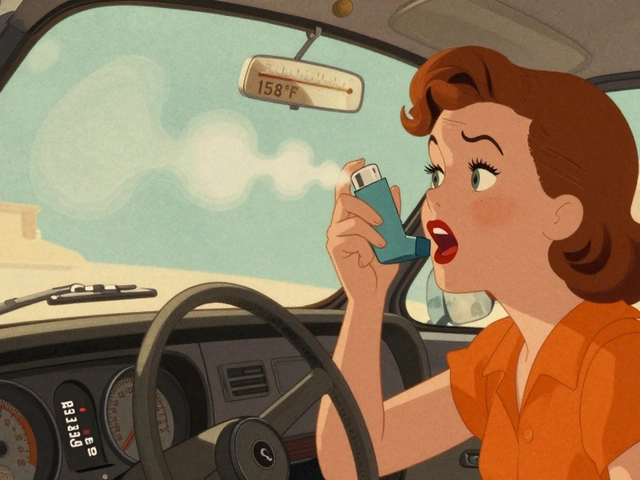
What you’ll find below isn’t theory. It’s real-world advice from people who’ve been there: the mother who caught postpartum anxiety because her doctor missed the signs, the transplant patient who nearly died from a hidden drug interaction, the senior who saved hundreds by switching to a combo generic for blood pressure. You’ll learn how to store your inhaler so it doesn’t fail in an emergency. How to verify a dose change before swallowing. When to avoid an entire drug family after a reaction—and when you don’t need to. How to spot misleading risk numbers in ads. What to ask your pharmacist before walking out the door. This is the medication guide you wish you’d been given. No fluff. No jargon. Just what you need to stay safe, save money, and speak up when something’s wrong.
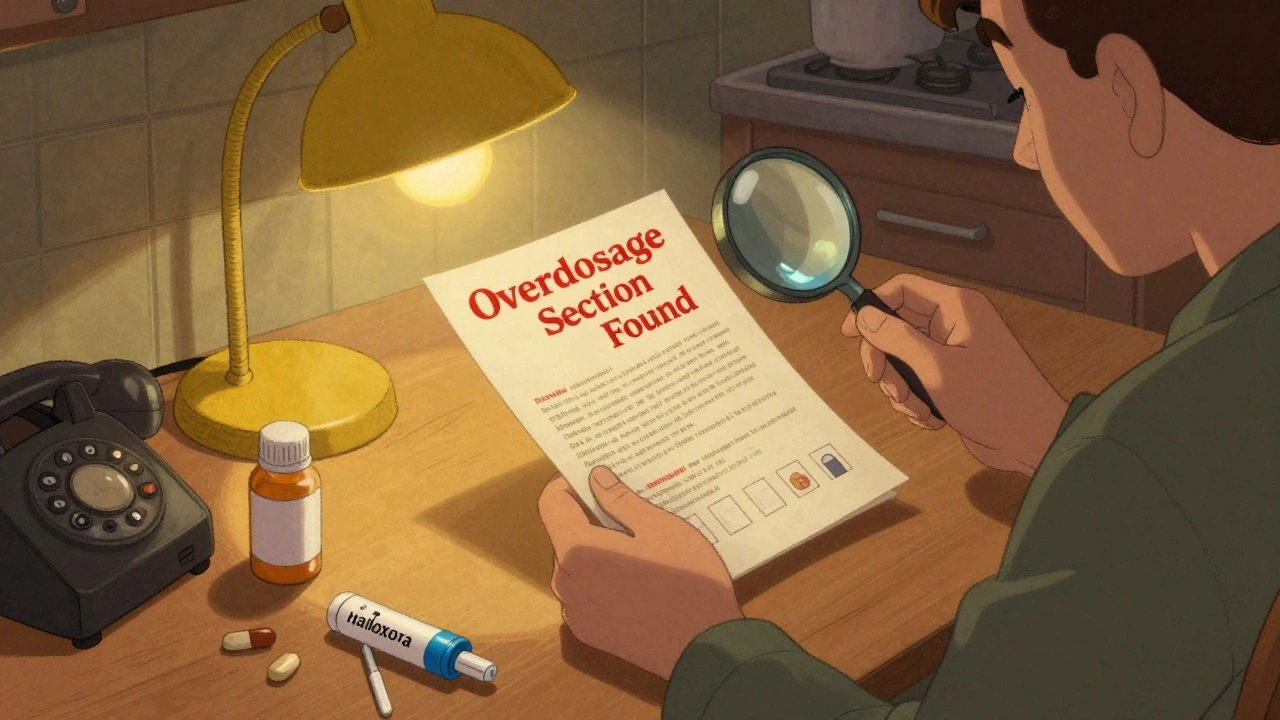
How to Read Medication Guides for Overdose Warnings and Antidotes
Learn how to read medication guides to spot overdose warnings and locate antidotes like naloxone. This guide shows you exactly where to look, what to do, and why it could save a life.
Read MoreLatest Post
-

-
-

How Juvenile Arthritis Shapes a Child's Quality of Life 25 September 2025
-

How to Verify Dose Changes and Avoid Miscommunication in Healthcare 16 November 2025
-