
Monitoring Advice: How to Track Medications, Side Effects, and Health Risks
When you're taking medication long-term, monitoring advice, practical steps to track how your body responds to drugs over time. It's not just about taking pills—it's about knowing when something’s off before it becomes a crisis. Whether it’s your blood pressure dropping too low, your joints aching after a new diabetes drug, or your liver reacting to chemotherapy, drug side effects, unwanted physical reactions caused by medications don’t always show up right away. That’s why consistent, smart monitoring saves lives.
medication safety, the practice of preventing harm from drugs through careful tracking and communication isn’t just for doctors. It’s your job too. You need to know when to question a dose change, spot signs of a dangerous interaction—like licorice messing with your blood pressure meds—or recognize that your itchy skin might not be a rash but a reaction to something new in your routine. Even environmental monitoring, testing for contamination in places where medicines are made ties into this. If a drug batch gets contaminated, it can cause harm across thousands of people. That’s why the same careful tracking used in labs matters for your medicine cabinet too.
You won’t find a one-size-fits-all checklist for monitoring, but the best advice always comes down to three things: track, ask, and verify. Write down how you feel after taking a new pill. Ask your pharmacist why a label changed. Double-check dose adjustments with your doctor—especially for high-alert drugs like insulin or blood thinners. And if you’re on immunosuppressants after a transplant, or taking DPP-4 inhibitors for diabetes, you need to know the hidden red flags: joint pain, sudden swelling, or strange fatigue. These aren’t normal aging symptoms. They’re signals.
Some of the most dangerous mistakes happen because people assume nothing’s wrong until it’s too late. A missed potassium drop from licorice. A delayed HBV reactivation after chemotherapy. An expired epinephrine pen that doesn’t work in an emergency. dose verification, the process of confirming medication amounts are correct before administration isn’t just hospital policy—it’s personal insurance. You’re the only one who knows your body’s baseline. If something feels off, it probably is.
The posts below give you real-world tools to take control. You’ll find how to read drug risk numbers so ads don’t scare you, how to spot when a generic combo pill is right for you, what to ask at the pharmacy, and which expired meds could actually hurt you. Whether you’re managing high blood pressure, postpartum anxiety, or transplant meds, the goal is the same: stay informed, stay alert, and never assume silence means safety.
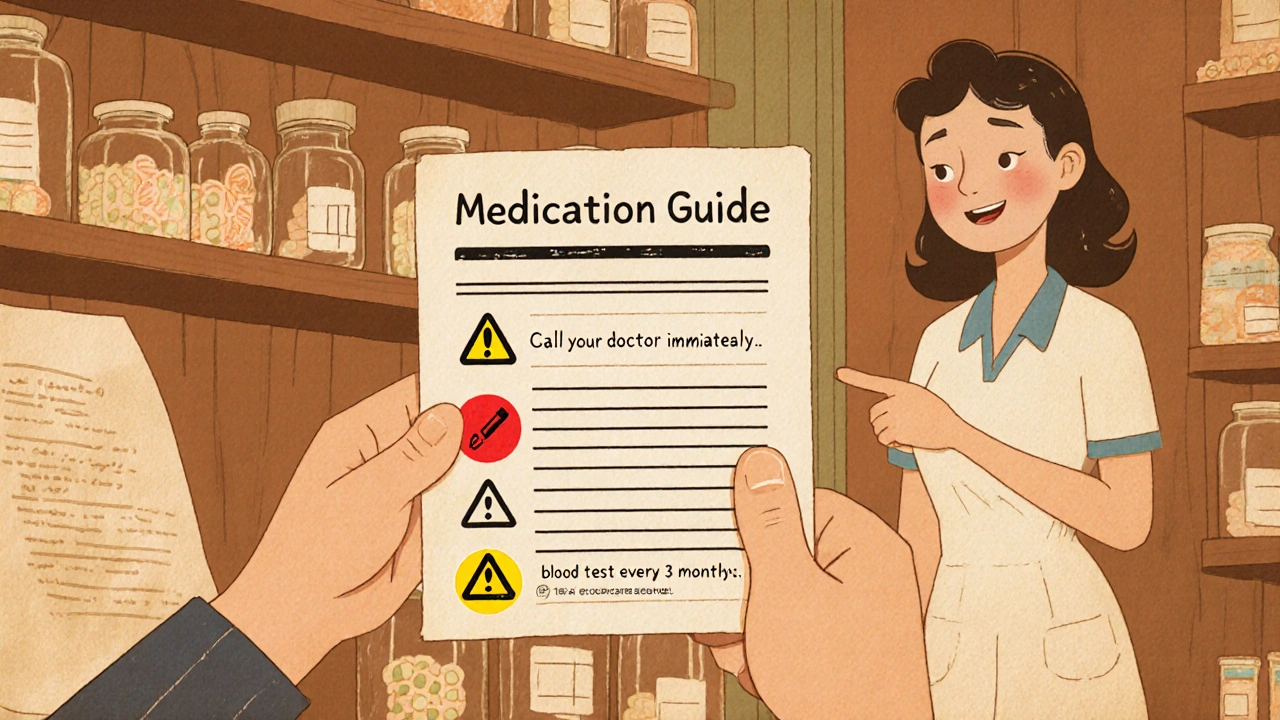
How to Read Medication Guides for Risk and Monitoring Advice
Learn how to read FDA-required Medication Guides to spot serious drug risks and follow critical monitoring steps. Know what to look for, when to call your doctor, and how to avoid preventable side effects.
Read MoreLatest Post
-
-
-
-

-

How to Verify Dose Changes and Avoid Miscommunication in Healthcare 16 November 2025