
Prescription Label: What You Need to Know About Medication Instructions and Safety
When you pick up a new medication, the prescription label, the printed instructions and warnings attached to your medicine bottle by the pharmacy. Also known as drug label, it's not just a formality—it's your personal safety guide. Most people glance at it quickly, focus on the name, and move on. But that label contains life-saving details: the right dose, timing, food restrictions, dangerous interactions, and red flags for side effects. Skip reading it, and you could be risking a bad reaction, a missed treatment, or even a hospital visit.
The prescription label doesn’t work alone. It connects directly to medication safety systems like barcode scanning at the pharmacy, double-check protocols used by pharmacists, and patient education from your doctor. It also ties into drug interactions—like how licorice can mess with blood pressure meds, or how DPP-4 inhibitors might cause joint pain. If you’re switching pharmacies, the label must match your medical history exactly. A mismatch could mean you’re getting the wrong dose, the wrong drug, or one that clashes with something else you take. That’s why verifying every detail on the label matters more than you think.
Many errors happen because people assume the label is perfect. But mistakes happen—dose changes get miscommunicated, old allergy notes stick around, or a generic version gets labeled differently. That’s why you should always compare the label to your doctor’s instructions and ask questions if anything looks off. Is the pill color different? Does the timing say "twice daily" but your old bottle said "once daily"? Is there a new warning about alcohol or grapefruit? These aren’t small details—they’re your first line of defense.
And it’s not just about what’s printed. The label also tells you when to call your doctor. If you see "May cause dizziness" and you’re falling over, or "May cause severe joint pain" and your knees feel like they’re breaking, that’s not normal. It’s a signal. The prescription label is your tool to catch problems early, before they turn into emergencies. That’s why patient advocacy matters—people who read their labels and spoke up changed how drugs like zidovudine and everolimus got used in real life.
Below, you’ll find real-world guides on how to read these labels correctly, what to do when something doesn’t add up, how to avoid dangerous mix-ups with common drugs, and how to spot when a label might be outdated or wrong. Whether you’re managing diabetes, high blood pressure, seizures, or just trying to avoid a bad reaction, knowing how to use your prescription label properly isn’t optional—it’s essential.
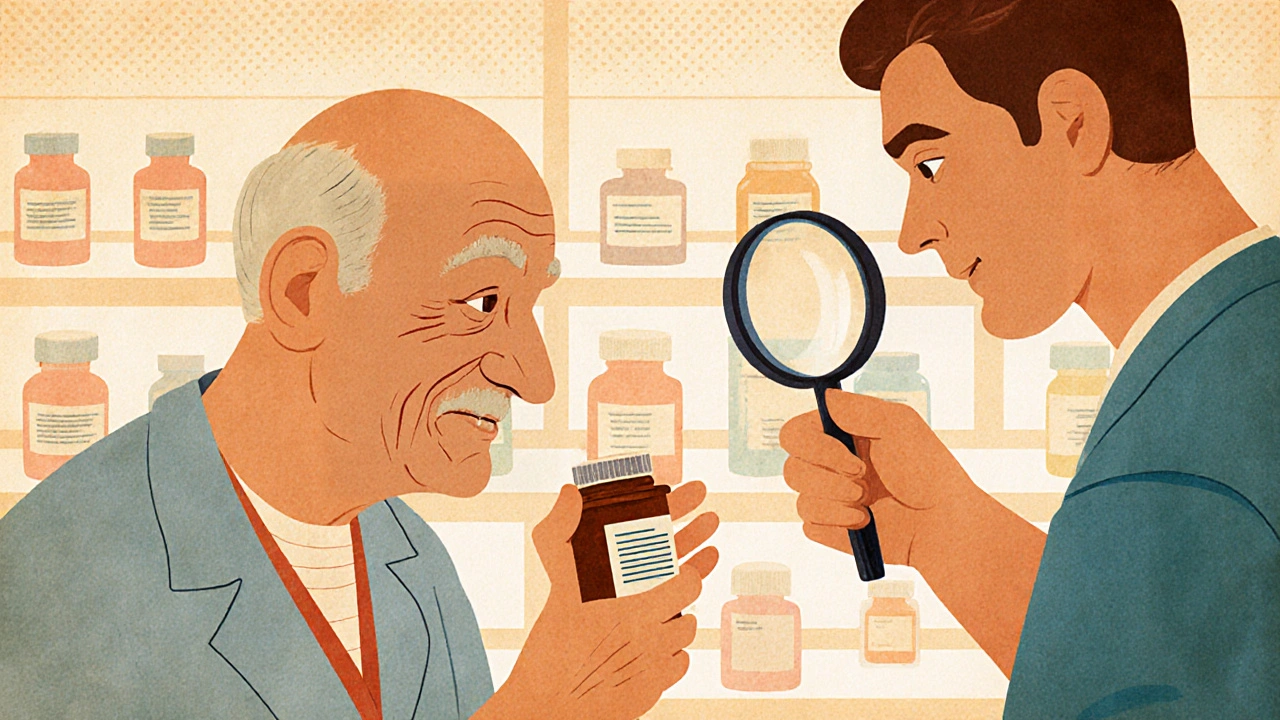
Questions to Ask About Your Prescription Label at the Pharmacy
Learn the key questions to ask about your prescription label at the pharmacy to avoid dangerous mistakes. From storage to side effects, knowing what to ask can save your life.
Read MoreLatest Post
-
-
-

-
-
How to Buy Cheap Generic Premarin Online Safely 26 September 2025