
Warfarin Generic Switch: What You Need to Know Before Making the Change
When you switch from brand-name Coumadin to generic warfarin, a blood thinner used to prevent dangerous clots. Also known as warfarin sodium, it works the same way—but small differences in how your body absorbs it can change your risk of bleeding or clotting. This isn’t just about cost. Even though the FDA says generics are bioequivalent, real-world experience shows that some people see their INR levels, a measure of how long it takes blood to clot shift after switching. That’s why doctors don’t treat this like swapping one brand of aspirin for another.
Why does this happen? Generic warfarin tablets may use different inactive ingredients—fillers, dyes, binders—that affect how fast the drug dissolves in your gut. One study from the Journal of the American Heart Association found that nearly 1 in 5 patients had an INR change of more than 1.0 after switching, which is enough to increase bleeding risk. If you’ve been stable on Coumadin for months, even a small bump in INR can mean trouble. And if you’re on other meds like antibiotics, such as Bactrim, which can dangerously raise warfarin levels, the risk multiplies.
There’s no one-size-fits-all rule. Some people switch without a hitch. Others need more frequent blood tests, sometimes weekly for a month. Your pharmacist might even call your doctor to confirm the switch isn’t a mistake. If your insurance forces you to switch, don’t just accept it. Ask for a formulary exception, a process to keep your original medication if the generic isn’t working. You’re not being difficult—you’re being careful.
Keep a symptom diary if you switch. Note any new bruising, nosebleeds, dark stools, or unusual fatigue. These aren’t just side effects—they’re warning signs. And if you’ve ever had a severe drug reaction, like an allergic response to a blood thinner, you need to be extra cautious. Not every reaction means you can’t use the whole class, but with warfarin, you don’t want to guess.
What you’ll find below are real stories and practical guides from people who’ve been through this. You’ll learn how to track your INR after a switch, what questions to ask your pharmacist, why some insurance plans deny coverage even for generics, and how to spot when a change is more dangerous than it looks. This isn’t theoretical. It’s about keeping you safe when the system pushes you to save money—and you need to know how to push back.
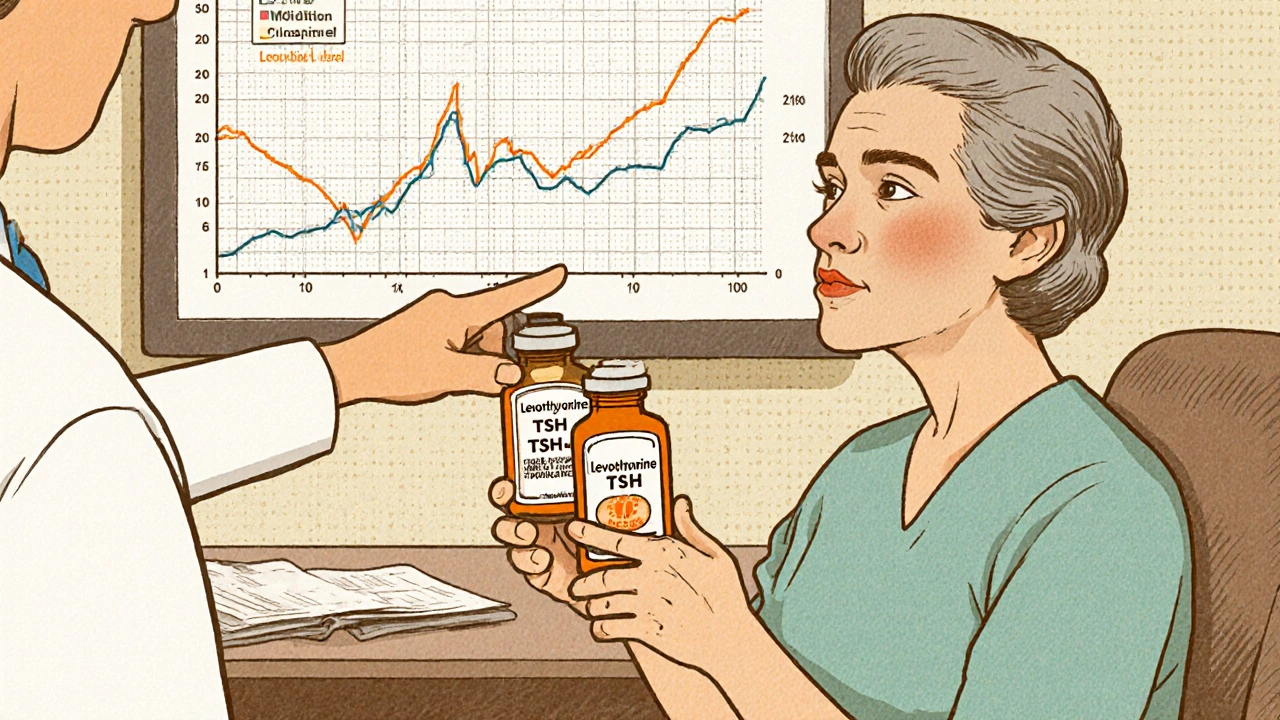
When Doctors Adjust Doses After Switching to Generic Medications
Switching to generic medications can be safe-but not for all drugs. For narrow therapeutic index drugs like levothyroxine and warfarin, even small changes in formulation can require dose adjustments. Here’s what you need to know.
Read More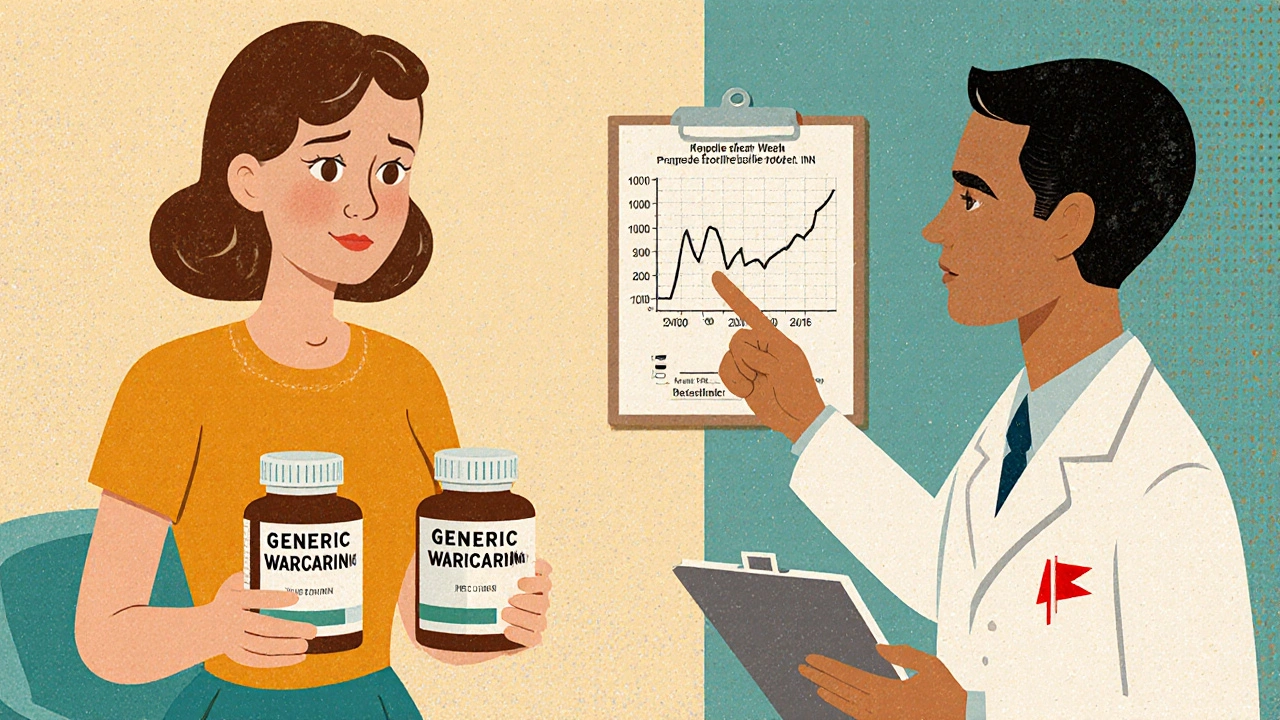
When Doctors Adjust Doses After Switching to Generic Medications
Switching to generic medications can be safe-but for certain drugs like warfarin, levothyroxine, and phenytoin, even small changes can cause serious side effects. Learn when dose adjustments are needed and how to protect yourself.
Read MoreLatest Post
-

-

-
How to Buy Cheap Generic Nexium Online Safely 12 October 2025
-
-
Itchy Skin & Allergies: How to Spot Triggers and Soothe Symptoms 23 October 2025