

ADHD Treatment: Stimulants, Non-Stimulants, and Behavioral Strategies That Work
When you or your child struggles with focus, impulsivity, or constant restlessness, it’s easy to feel like you’re fighting an invisible battle. ADHD isn’t just about being distracted-it’s a neurodevelopmental condition that affects how the brain manages attention, time, and emotions. The good news? There are proven ways to manage it. Medication helps many people gain control over symptoms quickly, but it’s not the whole story. Behavioral strategies build lasting skills that medication alone can’t teach. The most effective approach combines both.
How Stimulants Work and Why They’re First-Line Treatment
Stimulant medications are the most commonly prescribed treatment for ADHD, and for good reason. About 70 to 80 percent of people who try them see clear improvements in focus, impulse control, and task completion. These drugs-like methylphenidate (Ritalin, Concerta) and amphetamines (Adderall, Vyvanse)-work by boosting dopamine and norepinephrine in the brain’s prefrontal cortex, the area responsible for planning, decision-making, and self-control.
Stimulants don’t make you hyper. Instead, they help calm the overactive mind by improving communication between brain cells. For many, the effect is almost immediate: within 30 to 60 minutes after taking a dose, they feel more organized, less distracted, and better able to follow through on tasks.
Extended-release versions are now the standard because they provide steady symptom control throughout the day. Concerta, for example, lasts 10 to 12 hours, while immediate-release Ritalin wears off in 3 to 4 hours. That’s why most people now take one dose in the morning instead of multiple pills during school or work hours.
Non-Stimulants: Slower, But Safer for Some
Not everyone can-or wants to-take stimulants. Maybe they have a history of substance use, heart issues, or severe side effects like insomnia or appetite loss. That’s where non-stimulants come in.
Atomoxetine (Strattera) is the most common non-stimulant. It works by increasing norepinephrine levels, similar to how some antidepressants work. It doesn’t produce the same quick results-expect 4 to 6 weeks before noticing real changes. But it avoids the risk of misuse, doesn’t cause the same spikes in heart rate or blood pressure, and can be taken at night if sleep is an issue.
Two other options, guanfacine (Intuniv) and clonidine (Kapvay), were originally developed for high blood pressure. They help regulate the brain’s emotional and attention centers by targeting alpha-2 receptors. These are especially useful for kids who struggle with emotional outbursts or aggression alongside ADHD symptoms.
While stimulants help about 80 percent of users, non-stimulants work for about 50 to 60 percent. That means they’re less effective on average-but for the right person, they’re the only safe and sustainable option.
Side Effects: What Most People Actually Experience
Medication isn’t magic. It comes with trade-offs. The most common side effect of stimulants? Loss of appetite. Around 50 to 60 percent of children and many adults report eating less during the day. It’s not always a problem-some people lose weight they didn’t need to lose, but others struggle to get enough calories. The fix? Eat high-protein meals before taking the pill, and save bigger meals for when the medication wears off, usually in the evening.
Sleep problems are another big one. About 30 to 50 percent of users have trouble falling asleep, especially if the last dose is too late. Moving the final dose to earlier in the day-6 to 8 hours before bedtime-helps in 65 percent of cases.
Headaches, stomachaches, and irritability as the medication wears off (called “rebound”) are also common. Rebound irritability affects nearly half of kids on short-acting stimulants. Switching to extended-release versions often fixes this.
Some people report emotional blunting-feeling less expressive or “flat.” It’s not universal, but enough people describe it on forums like Reddit that it’s worth watching for. If you or your child seems emotionally distant, talk to your doctor. Adjusting the dose or switching meds can help.
Long-term use may slightly slow growth in children, especially in the first year. But studies show most kids catch up by age 16. Still, doctors recommend checking height and weight every six months.
Cardiovascular risks are real but rare. Stimulants can raise blood pressure and heart rate. That’s why a baseline check is required before starting, and follow-ups every three months are standard. People with pre-existing heart conditions should be evaluated by a cardiologist first.
Behavioral Strategies: Building Skills That Last
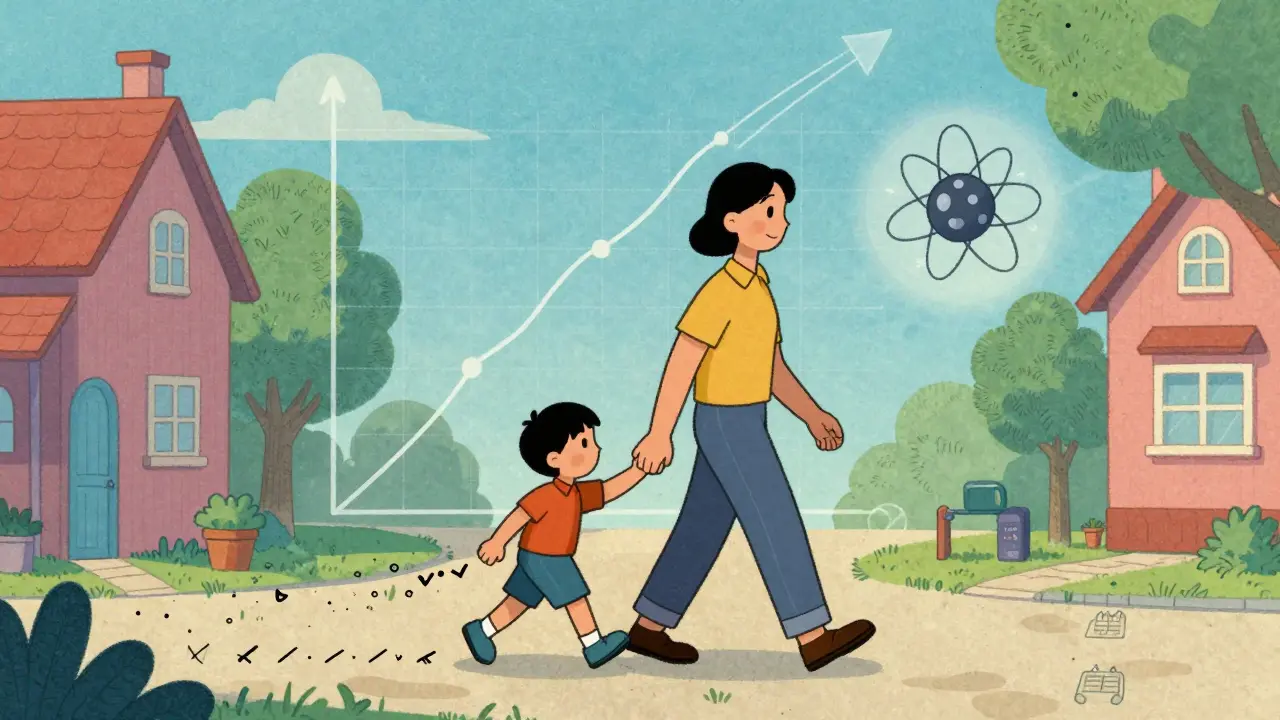
Medication helps you focus. But it doesn’t teach you how to organize your life, manage time, or handle frustration. That’s where behavioral strategies come in.
For kids, parent training programs like the New Forest Parenting Programme have been shown to reduce ADHD symptoms by 40 to 50 percent. These aren’t quick fixes-they require 12 to 16 weekly sessions, each 90 minutes long. Parents learn how to give clear, calm instructions, use consistent rewards and consequences, and reduce power struggles. The results? Better behavior at home, improved relationships, and less stress for everyone.
Schools play a big role too. An individualized education plan (IEP) or 504 plan can provide accommodations like extended time on tests, preferential seating, or breaking assignments into smaller steps. Many teachers aren’t trained in ADHD, so it’s up to parents to advocate. Bring research, not just complaints.
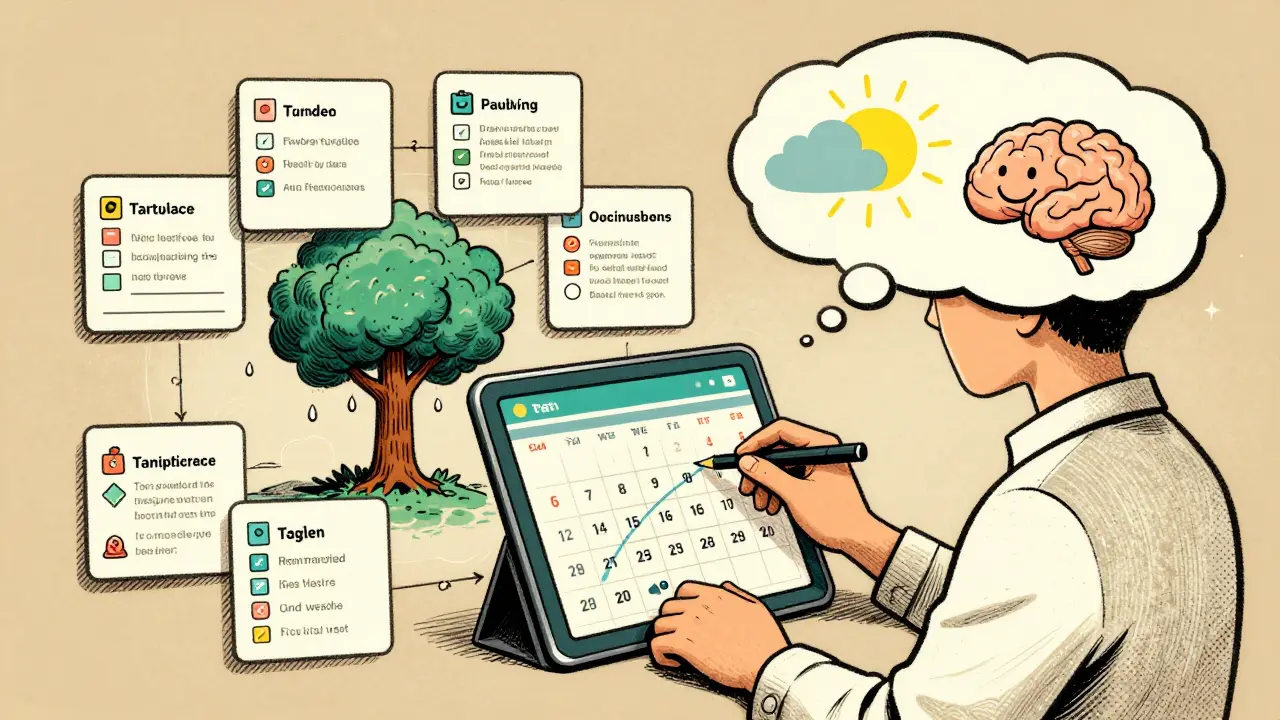
For adults, organizational tools are essential. Digital calendars with reminders, task lists broken into tiny steps, and time-blocking (assigning specific hours to specific tasks) make a huge difference. Apps like Todoist, Google Calendar, and Forest (which locks your phone if you get distracted) are popular among adults with ADHD.
Therapy matters too. Cognitive behavioral therapy (CBT) for ADHD teaches you how to challenge negative thoughts (“I always mess up”), build routines, and manage emotional overwhelm. It’s not about fixing your brain-it’s about building better habits around it.
Choosing the Right Path: It’s Not One-Size-Fits-All
There’s no single “best” treatment. What works for your neighbor might not work for you. The key is personalization.
Start with stimulants if:
- Your symptoms are severe and interfering with school, work, or relationships
- You need quick relief
- You don’t have heart problems or a history of substance abuse
Consider non-stimulants if:
- You’ve had bad side effects from stimulants
- You have anxiety, tics, or a history of addiction
- You’re okay waiting 4 to 6 weeks for results
Behavioral strategies are essential if:
- You want long-term improvement, not just symptom control
- You’re a parent trying to help a child develop life skills
- You’re an adult who’s tired of relying on pills alone
The strongest evidence shows that combining medication with behavioral support leads to the best outcomes. One major study followed kids with ADHD for over 20 years and found those who used both approaches had better academic performance, fewer emotional problems, and stronger social skills into adulthood.
What’s New in ADHD Treatment (2025)
ADHD treatment isn’t standing still. In 2023, the FDA approved AZSTARYS, a new formulation that combines two forms of methylphenidate to last 13 hours with less potential for misuse. In 2024, the American Academy of Pediatrics updated its guidelines to recommend screening for eating disorders before starting stimulants-new data shows a 12 percent higher risk in vulnerable individuals.
On the horizon: personalized medicine. Genetic tests like Genomind’s PGx Express can now predict which stimulant someone is likely to respond to based on their CYP2D6 and CYP2C19 genes. In a 2023 study, the test correctly identified 65 percent of non-responders before they even tried the drug. That means less trial and error, fewer side effects, and faster results.
Digital therapies are also gaining ground. EndeavorRx, an FDA-cleared video game for kids aged 8 to 12, has been shown to improve attention after 25 sessions. VR-based cognitive training programs are now in phase 3 trials, offering immersive, game-like environments to practice focus and impulse control.
One thing hasn’t changed: ADHD is not a character flaw. It’s a brain difference. And with the right mix of tools-medication, therapy, structure, and support-people with ADHD don’t just survive. They thrive.
Do stimulants make ADHD worse over time?
No. Long-term studies, including a 20-year follow-up of the MTA study, show that stimulant use doesn’t harm adult outcomes. In fact, people who stayed on medication longer tended to have better academic and social outcomes. Some stop because of side effects or feeling they don’t need it anymore, but that’s not because the medication damaged their brain-it’s because they learned coping skills or their symptoms changed.
Can you outgrow ADHD and stop medication?
About 30 percent of children with ADHD see significant symptom reduction by adulthood and may no longer need medication. But 60 to 70 percent continue to experience symptoms that affect work, relationships, or daily life. Stopping medication should always be done under a doctor’s supervision. Suddenly stopping stimulants can cause fatigue, depression, or rebound symptoms. A slow taper, paired with behavioral strategies, is the safest approach.
Are non-stimulants weaker than stimulants?
They’re not weaker-they’re different. Stimulants work faster and help more people. But non-stimulants are just as effective for some, especially those who can’t tolerate stimulants. Atomoxetine, for example, helps with focus and emotional regulation without the risk of abuse or appetite loss. The goal isn’t to find the strongest drug-it’s to find the one that works best for your body and lifestyle.
How do I know if behavioral strategies are working?
Look for changes in daily routines, not just test scores. Are tasks getting done without constant reminders? Is there less arguing at home? Are you or your child starting projects without procrastinating? Behavioral improvements are often subtle at first-like remembering to turn in homework once a week instead of never. Track progress with a simple checklist. Improvement over time, even small, means the strategy is working.
Is it safe to take ADHD meds long-term?
For most people, yes. Decades of research show that when used as directed, ADHD medications are safe for long-term use. Regular check-ups with your doctor-checking blood pressure, weight, and heart health-are key. The biggest risks come from misuse, not medical use. If you’re taking your medication as prescribed and monitoring side effects, the benefits far outweigh the risks.
What should I do if my child refuses to take their ADHD medication?
First, find out why. Is it because of side effects? Shame? Feeling different? Talk to your child without judgment. Offer choices: different pill forms (chewable, capsule, liquid), switching to a non-stimulant, or trying a patch. Involve them in the decision. Some kids respond better when they feel in control. Also, pair medication with something positive-like a special activity after taking it-to build a better association. Never force it. Trust and cooperation matter more than compliance.
Next Steps: How to Start
If you’re considering treatment, here’s a simple roadmap:
- See a qualified provider (psychiatrist, pediatrician, or neurologist) for diagnosis. Don’t self-diagnose based on online quizzes.
- Discuss all options: stimulants, non-stimulants, and behavioral strategies. Ask about side effects and monitoring.
- Start with one approach-usually a stimulant-while beginning behavioral strategies. Don’t try everything at once.
- Track symptoms and side effects for 4 to 8 weeks. Use a journal or app.
- Revisit your doctor. Adjust the dose or try something else if needed.
- Keep behavioral tools in place even if medication helps. They’re the foundation for long-term success.
ADHD isn’t a life sentence. It’s a challenge with solutions. The right mix of medication and strategy can turn what feels like chaos into control. And that’s worth the effort.



10 Comments
Leonard Shit
January 5, 2026 at 19:01
Been on Vyvanse for 5 years. Still forgets to eat lunch. But at least I finish it now. 🤷♂️
Tom Swinton
January 7, 2026 at 17:05
I just want to say-this post? Perfect. I’ve been struggling with rebound irritability for years, and no one ever told me it was normal. Switching to Concerta changed my life. I used to snap at my kids after school. Now? We read together. I cried when I realized I wasn’t broken-I just needed the right tool. Thank you for writing this. Seriously. 🙏
Ashley S
January 8, 2026 at 02:25
Why do we even medicate kids? Just make them sit still and stop being lazy. My dad didn’t need pills to get through school. We had discipline. Back in my day…
Jeane Hendrix
January 9, 2026 at 19:36
Okay but like… has anyone tried the new Genomind test? I got mine back last month and they said I’m a CYP2D6 ultra-rapid metabolizer-which means Ritalin’s basically useless for me. Switched to Strattera and… shocker? It worked. Like, actually worked. Not ‘meh’ worked. ‘I remembered to pay my bills’ worked. Also, I misspelled ‘neurotransmitter’ three times while typing this. ADHD brain. 😅
Matt Beck
January 9, 2026 at 19:36
ADHD isn’t a disorder-it’s a different operating system. 🤖 We’re not buggy, we’re just not built for Windows 95. Stimulants? They’re like upgrading to macOS. But you still gotta learn keyboard shortcuts. And sometimes… you just need to reboot. 💭
Molly McLane
January 11, 2026 at 03:32
My 10-year-old refused meds for a year. We tried everything-charts, stickers, rewards. Nothing stuck. Then we let him pick his own non-stimulant. He chose Strattera because the bottle looked like a spaceship. Now he takes it every morning without a fight. We didn’t force compliance-we built trust. And now? He’s writing stories. Real ones. With dragons. 🐉
Venkataramanan Viswanathan
January 11, 2026 at 08:49
In India, ADHD is still seen as bad behavior. Teachers tell parents to ‘beat some sense’ into the child. I’ve seen children labeled as ‘unruly’ when they just need structure. Thank you for this article. It gives me something to share with my cousin’s family. Knowledge is the first step to change.
Gabrielle Panchev
January 13, 2026 at 04:23
Wait-so you’re saying that stimulants don’t cause addiction when used as prescribed? But what about all those celebrities who ‘abuse’ Adderall? And what about the fact that pharmaceutical companies profit off this? And haven’t you read the 2022 Lancet meta-analysis on dopamine receptor downregulation? And isn’t it concerning that the FDA approved a video game as a treatment? And who even funds these studies? And-
Lily Lilyy
January 14, 2026 at 00:03
You’re not alone. I used to think I was failing at life. Now I know I’m just wired differently. And that’s okay. You’re doing better than you think. Keep going. 💪
Kiran Plaha
January 14, 2026 at 15:07
My brother took Strattera for 3 years. Didn’t help focus much. But he stopped having meltdowns after school. That was worth it. We didn’t need a miracle. Just less crying. And more hugs.