
MAOI Dietary Restrictions: Tyramine Triggers and Safety Plan for 2026
MAOI Food Safety Checker
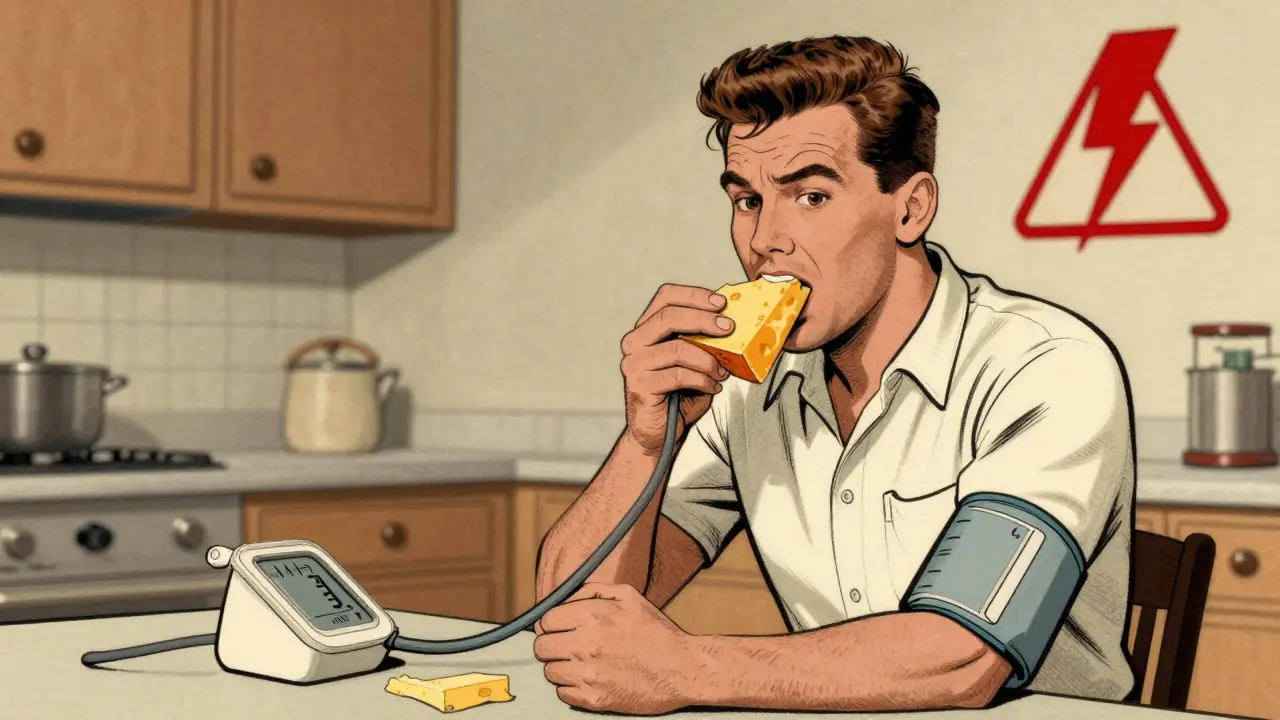
In 1964, a patient on MAOI antidepressants died after eating cheddar cheese. Today, we know more-but many outdated rules still linger. Understanding the MAOI diet is critical for anyone taking these antidepressants. Without proper precautions, tyramine buildup can trigger a life-threatening hypertensive crisis. This guide cuts through the confusion with updated 2026 food data, practical safety steps, and emergency protocols.
What MAOIs Are and Why Tyramine Matters
MAOIs are a class of antidepressant medications that block monoamine oxidase enzymes. These drugs help treat severe depression when other treatments fail. But they require strict dietary management. Monoamine oxidase normally breaks down excess tyramine in the body. When MAOIs inhibit this enzyme, tyramine builds up rapidly. This causes blood vessels to constrict suddenly, leading to a hypertensive crisis.
Tyramine is a natural compound found in aged or fermented foods. It’s harmless for most people but dangerous with MAOIs. Symptoms of a hypertensive crisis include severe headache, chest pain, nausea, vomiting, and vision changes. If untreated, it can cause stroke or death. The hypertensive crisis risk is highest with irreversible MAOIs like phenelzine (Nardil) and tranylcypromine (Parnate).
Updated Food Guidelines for 2026
Modern food science has changed what’s considered risky. A 2023 USDA study tested over 500 foods and found 68% of previously restricted items contain less than 2 mg/100g tyramine when stored properly. Here’s what you need to know:
| Food Category | Tyramine Content (mg/100g) | Safe to Consume? | Notes |
|---|---|---|---|
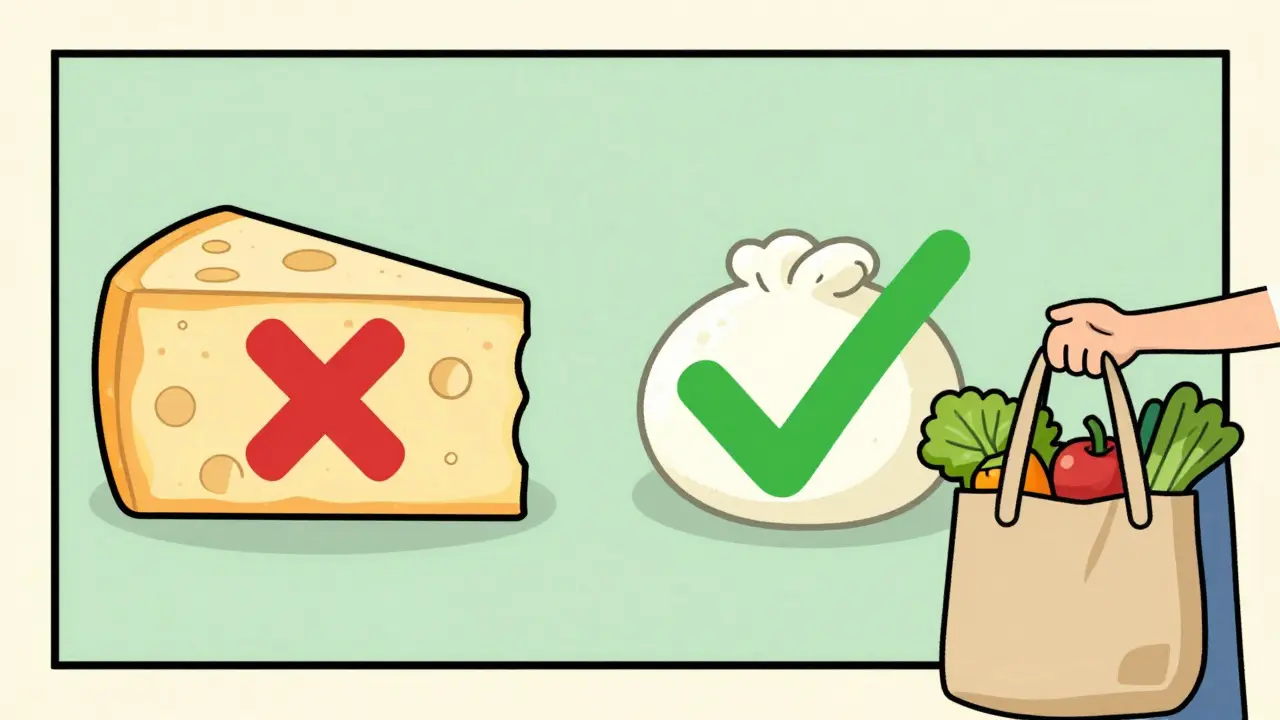
| Aged cheese (over 6 months) | 20-100+ mg | No | Avoid completely |
| Fresh mozzarella | <1.5 mg | Yes | Safe in moderation |
| Soy sauce | 10.5-118.4 mg | No | Avoid entirely |
| Properly stored cheddar cheese | 0.1-1.0 mg | Yes | Up to 150g every 3 days |
| Tap beer | 5.2-18.7 mg | Yes (limited) | One 330ml serving per week |
| Unpasteurized beer | 10.3-35.6 mg | No | Avoid completely |
| Properly stored smoked fish | 2.1-5.8 mg | Yes | Limit to 100g per meal |
| Unrefrigerated meat | Up to 200 mg | No | Always refrigerate within 2 hours |
Phenelzine (Nardil) and tranylcypromine (Parnate) require the strictest diet. They cause 80-95% inhibition of monoamine oxidase-A. Selegiline (Emsam) patch at 6 mg/24 hours is safer because it targets MAO-B in the gut, allowing tyramine metabolism. At higher doses, however, it behaves like traditional MAOIs.
Practical Safety Steps for Daily Life
Managing the MAOI diet isn’t about perfection-it’s about smart habits. Start with these steps:
- Check food freshness daily. Tyramine doubles every 12 hours in meat and dairy. Always consume leftovers within 24 hours and refrigerate immediately.
- Read labels carefully. Avoid "aged," "fermented," or "cured" on packaging. For soy products, choose tofu labeled "fresh" (under 100g per serving).
- Monitor blood pressure. Check before and 2 hours after meals for the first 4 weeks. Keep a log to share with your doctor.
- Use fresh ingredients. Frozen vegetables and canned goods (without added preservatives) are safer than fresh produce stored too long.
For example, a 2022 study found chicken livers stored at 10°C for 72 hours contained 128.7 mg/100g tyramine-enough to trigger a crisis. But the same livers refrigerated at 4°C for 48 hours had only 15.2 mg/100g. Always store perishables below 4°C and discard any food left unrefrigerated for over 2 hours.
Emergency Response Plan
Know what to do if symptoms appear:
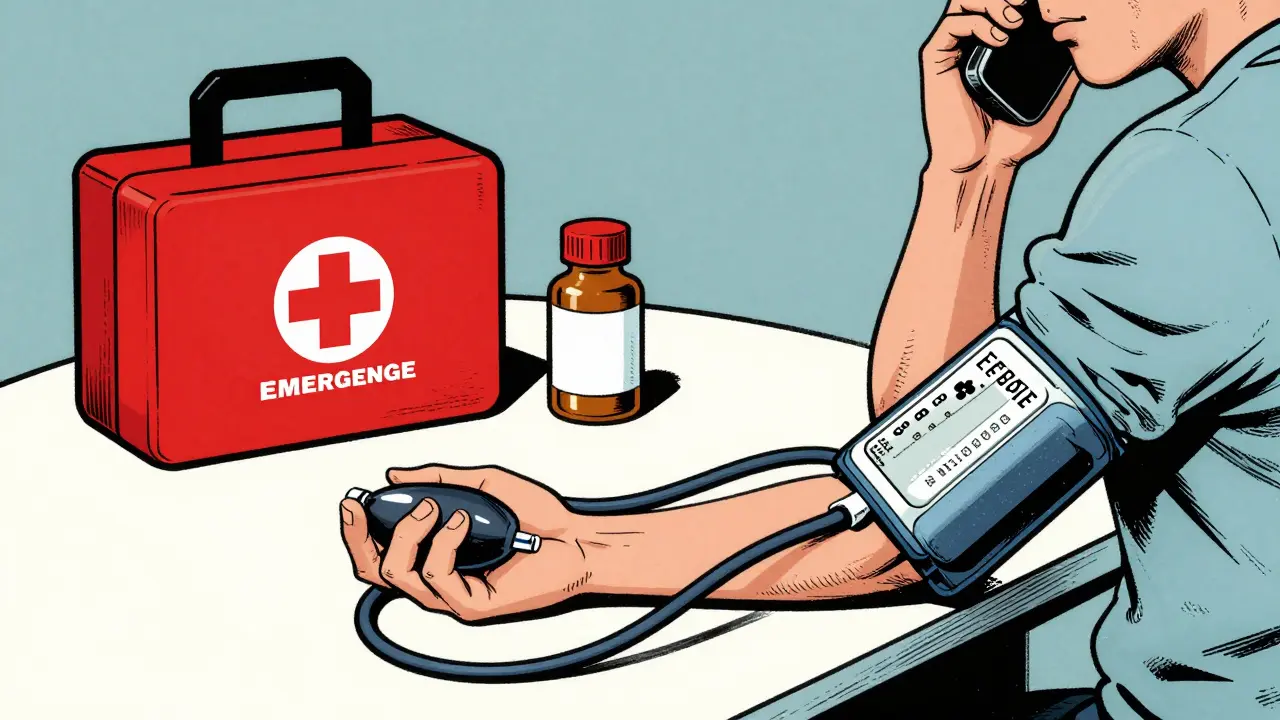
- Check blood pressure immediately. If systolic pressure exceeds 180 mmHg:
- Take 0.2-0.4 mg sublingual nifedipine (keep this in your emergency kit)
- Call emergency services right away
- Stay seated or lying down until help arrives
Carry an MAOI identification card at all times. It should list your medication, dosage, and emergency instructions. The Mayo Clinic recommends this card be printed on durable plastic and kept in your wallet or phone case.
Frequently Asked Questions
What foods are safest for MAOI users?
Fresh fruits like bananas, apples, and berries (under 1.5 mg/100g) are safe. Eggs, plain yogurt, and fresh chicken are low-risk. Avoid processed foods with hidden tyramine-like canned soups with aged cheese or soy sauce. Always check expiration dates; even "safe" foods become risky after 48 hours in the fridge.
Can I drink coffee or tea while on MAOIs?
Yes. Caffeine doesn’t interact with MAOIs directly. However, some energy drinks contain added tyramine from ingredients like aged cheese or soy. Stick to plain black coffee or herbal teas without added flavorings. Limit to 2 cups per day to avoid blood pressure spikes from caffeine alone.
How long do dietary restrictions last after stopping MAOIs?
14-21 days. Monoamine oxidase enzymes take 2-3 weeks to regenerate after stopping irreversible MAOIs. Transdermal selegiline (Emsam) requires a shorter 7-day window. Never resume high-tyramine foods before this period ends-your body remains vulnerable.
Are there MAOIs with fewer dietary restrictions?
Yes. The Emsam patch at 6 mg/24 hours has minimal restrictions because it targets MAO-B in the gut. At higher doses (9-12 mg), it requires full dietary management. Moclobemide, a reversible MAOI available outside the US, allows normal eating but isn’t FDA-approved. Always confirm your specific medication’s requirements with your doctor.
What should I do if I accidentally eat a high-tyramine food?
Check your blood pressure immediately. If it’s under 160 mmHg, stay calm and monitor for symptoms. If it’s over 160 or you feel symptoms like headache or nausea, take nifedipine and call emergency services. Never wait-hypertensive crises can escalate within minutes. Keep a detailed food log to share with your doctor afterward.
Updated guidelines for 2026 show the MAOI diet is manageable with modern food science. By focusing on fresh, properly stored foods and knowing your emergency steps, you can safely use these powerful antidepressants. Always consult your doctor before making dietary changes-your treatment plan should be personalized based on your specific medication and health history.



15 Comments
Lisa Scott
February 6, 2026 at 06:53
this guide is propaganda fda and big pharma are hiding the truth tyramine isn't the real issue it's the controlled substances they're pushing on you check the real studies they're lying to everyone
Tehya Wilson
February 6, 2026 at 09:11
the data provided is insufficient for clinical application further research is required the guidelines lack empirical validation
Kate Gile
February 7, 2026 at 09:09
this guide is incredibly helpful the updated food data makes managing maoi diet so much easier thank you for the clear safety steps and emergency protocols really appreciate the practical advice
Gregory Rodriguez
February 8, 2026 at 08:56
finally someone who gets it these ma oi guidelines are a godsend though i'm still suspicious of that 'updated 2026 data' sounds like marketing fluff to me 😏
Jenna Elliott
February 9, 2026 at 20:59
americans need to stop being lazy about food safety this guide is spot on other countries don't have these issues because they follow proper protocols we need stricter rules to protect our citizens
Cullen Bausman
February 10, 2026 at 23:01
strict adherence to these dietary guidelines is non negotiable any deviation poses unacceptable risks to public health the science is clear and must be followed without exception
Cole Streeper
February 11, 2026 at 01:28
the real danger here is that the government is using ma ois to control the population this 'updated data' is a cover up they don't want you to know the truth check the sources yourself
Dina Santorelli
February 12, 2026 at 14:25
this is all so overwhelming they just want you to be scared but honestly who has time to check every single food item not me it's too much work
Arjun Paul
February 12, 2026 at 21:25
you must follow these rules exactly any deviation is dangerous the science is clear if you can't follow it don't take ma ois
divya shetty
February 14, 2026 at 03:41
this is why we need stricter regulations people should not be allowed to consume these foods without proper certification the current guidelines are insufficient
Nancy Maneely
February 14, 2026 at 23:06
this guide is a mess they say one thing then contradict themselves like 'properly stored cheddar' how do you know it's properly stored they're lying to us this is all fake news
Phoebe Norman
February 16, 2026 at 02:28
tyramine levels concerning
Albert Lua
February 16, 2026 at 23:05
in india we have different food practices for example fresh paneer is safe but this guide is us centric needs global perspective let's discuss how other cultures handle this
Diana Phe
February 17, 2026 at 22:22
the government is hiding the truth ma ois are a plot to control people check the sources they're manipulating us
Carl Crista
February 19, 2026 at 18:37
they say the data is updated but it's all fake the real risk is higher i've seen it firsthand you think you know but you don't