
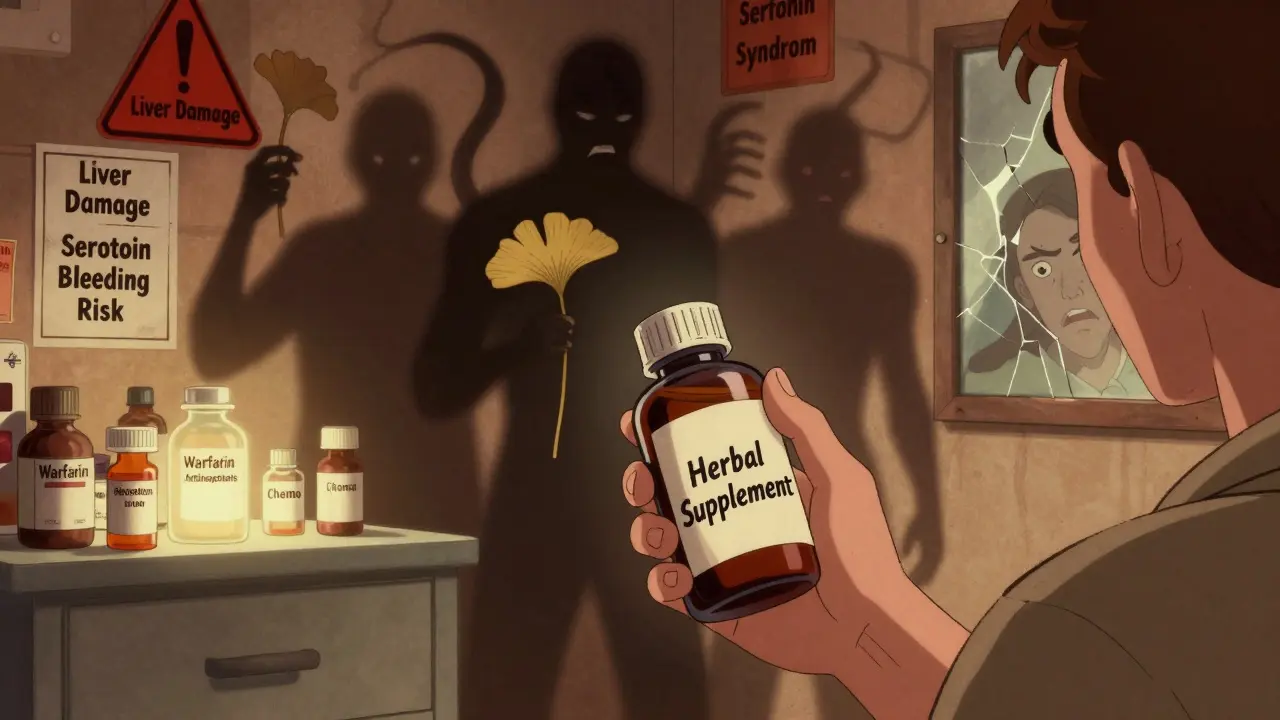
Risks Associated with Any Medication or Dietary Supplement
People take medications and dietary supplements to feel better, stay healthy, or manage a condition. But few realize that any substance you put into your body - whether it’s a prescription pill or a bottle of herbal capsules - can carry real, sometimes life-threatening, risks. The idea that ‘natural’ means ‘safe’ is one of the most dangerous myths in health today.
Why Supplements Aren’t Regulated Like Medicines
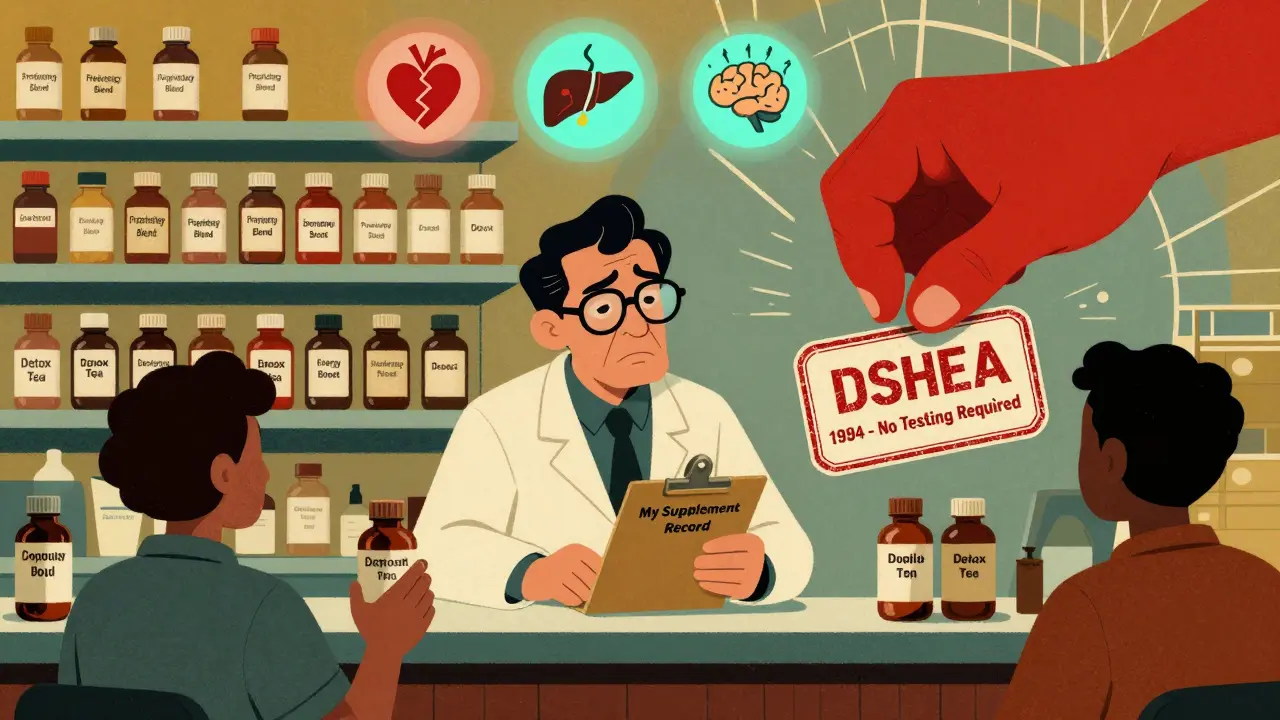
Prescription drugs go through years of testing before they hit the shelf. The FDA requires proof they work and are safe at recommended doses. Dietary supplements? Not even close. Under the 1994 Dietary Supplement Health and Education Act (DSHEA), supplement makers don’t need to prove their products are effective or even safe before selling them. The FDA can only act after harm happens - and even then, the process is slow. By the time a dangerous supplement gets pulled, thousands of people may have already taken it.
There are over 85,000 supplement products on the market in the U.S. today. Multivitamins make up the biggest chunk of sales, but herbal supplements - things like ginkgo, ashwagandha, or St. John’s wort - are the most likely to cause problems. In fact, even though they only make up 19% of supplement sales, they account for nearly 40% of all adverse event reports to the FDA.
The Hidden Danger: Drug Interactions
Most people know to ask their doctor about medication side effects. But how many ask about how their supplements might interact with those meds? The answer: too few. About 67% of dangerous interactions happen because patients never told their provider they were taking supplements.
Here’s how it works: your liver uses enzymes - especially the CYP3A4 system - to break down drugs. Some supplements mess with this system. For example:
- St. John’s wort can cut the effectiveness of birth control pills by 13-15%, raise the risk of unplanned pregnancy, and slash cyclosporine levels (used after organ transplants) by half. It also reduces antidepressants like sertraline, which can trigger serotonin syndrome - a condition that causes confusion, rapid heartbeat, high fever, and even death.
- Asian ginseng speeds up how fast your body clears out calcium channel blockers, statins, and even some chemo drugs. That means the medication doesn’t work as well.
- Goldenseal blocks the same enzyme system, making some drugs build up to toxic levels in your blood.
And it’s not just herbs. Even common vitamins can interfere:
- Vitamin K weakens warfarin, a blood thinner. A 40-50% drop in its effect can lead to dangerous clots.
- Vitamins C and E may reduce the effectiveness of chemotherapy by 25-30% in some cancers, according to the American Cancer Society.
- Vitamin E at doses over 400 IU/day increases the risk of hemorrhagic stroke by about 10%.
Overdose Isn’t Just for Prescription Drugs
People think you can’t overdose on vitamins - but you can. And it’s not rare.
- Vitamin A: More than 10,000 IU per day long-term can damage your liver, cause bone pain, and blur your vision. A single dose over 300,000 IU can cause acute poisoning - vomiting, dizziness, and even brain swelling.
- Vitamin D: High doses, especially over 300,000 IU per month, can spike calcium levels in your blood. This leads to kidney stones, nausea, confusion, and in severe cases, coma or death. Elderly people who take high-dose D supplements have a 15-20% higher risk of falls and fractures.
- Niacin (B3): Used for cholesterol, but doses over 500 mg can cause flushing, liver damage, and even diabetes.
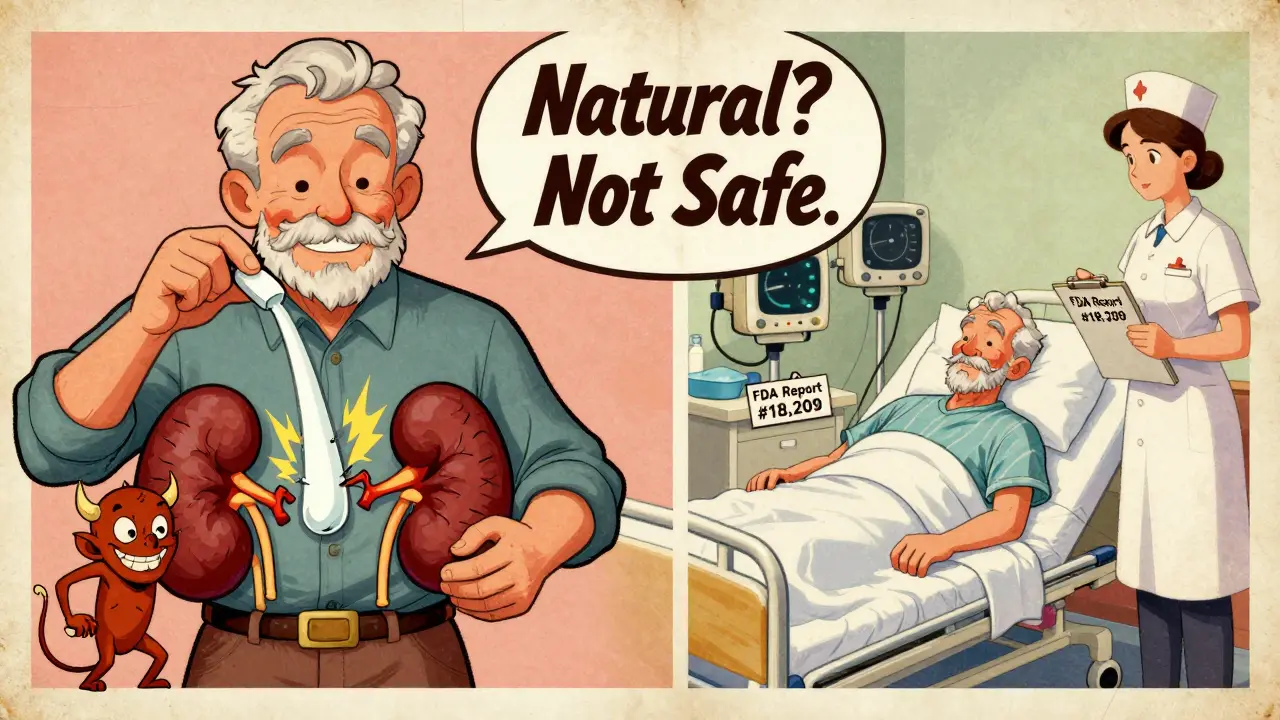
And then there are the hidden ingredients. Many supplements - especially weight-loss or energy products - contain unlisted stimulants like ephedra-like compounds or bitter orange. These can spike your blood pressure, cause irregular heartbeat, or even trigger a heart attack. One 68-year-old woman was hospitalized after combining ginkgo biloba with aspirin. Her bleeding wouldn’t stop. Another man developed serotonin syndrome after mixing St. John’s wort with his antidepressant. Both cases were reported to the FDA.
What Happens When You Take Supplements During Treatment
It’s not just about interactions - supplements can directly interfere with medical treatments.
Patients undergoing radiation therapy are often told to stop all supplements. Why? Because antioxidants like vitamin E, C, and selenium can protect cancer cells from radiation damage. One patient at Memorial Sloan Kettering had to delay treatment for three weeks after her skin blistered from vitamin E use during radiation. Her oncologist said it was the most severe reaction he’d seen in five years.
Even surgery carries risk. Ginkgo, garlic, fish oil, and other supplements that thin the blood can cause dangerous bleeding during operations. Anesthesiologists now routinely ask patients: ‘Are you taking anything besides your prescriptions?’ - and they mean everything.
Real People, Real Consequences
The FDA gets about 5,000 supplement-related adverse event reports every year. But experts say that’s only about 1% of what’s actually happening. Why? Because most people don’t connect their symptoms to a supplement. They don’t report it. They just stop taking it.
Here’s what real users have shared:
- A Reddit user, u/HealthyJourney89, posted: ‘I started 500mg ashwagandha with my blood pressure meds. Within days, I had insomnia and heart palpitations. My doctor said it was likely raising my adrenaline.’
- u/CancerSurvivor2021: ‘My radiation oncologist made me stop every supplement. Vitamin E caused my skin to burn during treatment. I didn’t know it could do that.’
Common symptoms reported to the FDA include rashes (12%), diarrhea (15%), shortness of breath (8%), muscle pain (7%), slurred speech (2%), and blood in urine (1.5%). These aren’t rare. They’re warning signs.
How to Protect Yourself
You don’t have to avoid supplements entirely - but you need to treat them like medicine.
- Talk to your provider - every time. Tell them every pill, powder, or tincture you take. Even if it’s ‘just a vitamin.’
- Use a medication log. The NIH offers a free tool called ‘My Dietary Supplement and Medicine Record.’ It’s simple: list the name, dose, and reason for each item. Bring it to every appointment.
- Check for red flags. Avoid supplements with multiple ingredients. The more ingredients, the higher the risk of hidden interactions. Also, avoid anything labeled ‘proprietary blend’ - you can’t know what’s really in it.
- Don’t trust online reviews. Products sold on Amazon or Instagram often have no quality control. The FDA says 45% of adverse events come from online purchases.
- Know the high-risk combos. St. John’s wort + antidepressants. Vitamin K + warfarin. Ashwagandha + blood pressure meds. Fish oil + blood thinners. These combinations are well-documented. Don’t risk it.
If you experience a bad reaction - dizziness, chest pain, bleeding, rash - stop the supplement immediately. See a doctor. And report it to the FDA through MedWatch Online. In 2022, they received over 18,000 supplement reports. Your report could help prevent someone else’s tragedy.
What’s Changing? The Future of Regulation
There are signs the system is starting to wake up. In June 2023, the FDA launched its Dietary Supplement Ingredient Advisory List, flagging 12 high-risk ingredients including bitter orange and yohimbe. The LiverTox database now tracks 45 supplement-linked causes of liver injury - green tea extract alone accounts for 22% of those cases.
The FDA is also testing AI tools to scan social media for early signs of harm. In a pilot, they analyzed 1.2 million posts and identified potential safety issues with 87% accuracy. That’s a game-changer.
But until Congress revises DSHEA, the burden stays on you. The government can’t monitor every bottle. They can’t test every batch. You have to be your own first line of defense.
Bottom Line
Medications and supplements aren’t different in risk - they’re different in oversight. Both can save lives. Both can kill. The difference is, with medications, you’re usually warned. With supplements, you’re left to figure it out alone.
Don’t assume safety because it’s natural. Don’t skip the conversation because it’s ‘just a pill.’ Your body doesn’t care if something is labeled ‘organic’ or ‘herbal.’ It responds to chemistry. And chemistry doesn’t lie.
Can dietary supplements be as dangerous as prescription drugs?
Yes. While prescription drugs undergo strict testing before approval, supplements are not required to prove safety or effectiveness. Some supplements - like St. John’s wort, ginkgo biloba, or high-dose vitamin A - can cause serious side effects, including liver damage, bleeding, heart rhythm problems, and even death. In fact, supplements contribute to over 23,000 emergency room visits in the U.S. each year, according to the New England Journal of Medicine.
Why do supplements interact with medications?
Many supplements contain active compounds that affect how your body processes drugs. For example, St. John’s wort speeds up liver enzymes that break down medications like antidepressants, birth control, and chemotherapy drugs, reducing their effectiveness. Other supplements, like grapefruit juice or goldenseal, block those enzymes, causing drugs to build up to toxic levels. These interactions are predictable and well-documented in clinical studies.
Is it safe to take supplements during cancer treatment?
Generally, no. The American Cancer Society advises cancer patients to avoid all dietary supplements during chemotherapy or radiation unless approved by their oncologist. Antioxidants like vitamins C and E may protect cancer cells from treatment, reducing effectiveness by 25-30%. Other supplements can interfere with drug metabolism or increase side effects. Always consult your care team before taking anything.
How can I find out if my supplement is safe with my meds?
Talk to your pharmacist or doctor. Bring a full list of everything you take - including herbs, vitamins, and over-the-counter products. Use the NIH’s ‘My Dietary Supplement and Medicine Record’ tool to organize your list. Avoid relying on online forums or supplement labels - they rarely list interaction risks. High-risk combinations include St. John’s wort with antidepressants, vitamin K with warfarin, and ginkgo with blood thinners.
What should I do if I have a bad reaction to a supplement?
Stop taking the supplement immediately. Contact your healthcare provider. If symptoms are severe - chest pain, difficulty breathing, uncontrolled bleeding, confusion - go to the ER. Then report the reaction to the FDA through MedWatch Online. Reporting helps the agency track dangerous products and take action. In 2022, over 18,000 supplement-related reports were submitted, and your input can help protect others.
Are natural supplements safer than synthetic ones?
No. ‘Natural’ doesn’t mean safe. Many dangerous substances - like arsenic, poison ivy, or belladonna - are natural. Supplements like bitter orange, ephedra, and kava have caused heart attacks, liver failure, and strokes. The source doesn’t matter - what matters is the dose, the active ingredient, and how it interacts with your body and other medications.
Why aren’t more supplements banned if they’re dangerous?
The 1994 DSHEA law makes it extremely hard for the FDA to remove supplements from the market. The agency must prove a product is unsafe *after* harm occurs - not before it’s sold. Since 1994, only 12 supplement ingredients have been banned. Meanwhile, over 85,000 products are available. The system is reactive, not preventive. That’s why personal vigilance is critical.


13 Comments
Weston Potgieter
March 8, 2026 at 05:38
Natural doesn't mean safe. I've seen people die from 'herbal' tea blends sold as 'immune boosters'. The FDA's hands are tied because of DSHEA. Stop believing in fairy tales and start reading the label. Your liver will thank you.
Vikas Verma
March 8, 2026 at 07:37
The pharmacokinetic interactions are non-trivial. CYP3A4 modulation by St. John’s wort is a well-documented pharmacodynamic hazard. Patients on narrow-therapeutic-index drugs like cyclosporine or warfarin are at significant risk. Education is the first line of defense.
Sean Callahan
March 10, 2026 at 05:19
I took ashwagandha for 'stress' and ended up in the ER with a racing heart. My doc said it was the supplement. I thought it was 'natural' so it was fine. I was wrong. Don't be like me.
phyllis bourassa
March 10, 2026 at 06:36
You know what's wild? People will take 10 different supplements and then act shocked when they feel worse. It's like dumping a whole spice rack into a soup and wondering why it tastes like regret. Your body isn't a science experiment.
Tim Hnatko
March 10, 2026 at 19:49
I work in primary care. Every week someone comes in with unexplained symptoms and says, 'I just started taking this new thing.' We need better labeling. We need providers to ask about supplements like they ask about smoking. It's not optional anymore.
Aaron Pace
March 12, 2026 at 11:01
St. John’s wort + antidepressants = 😵💫💀 Don't be that person. Just don't. I've seen it. It's not pretty. 💊🚫
Roland Silber
March 13, 2026 at 16:23
The real issue isn't just the supplements - it's the culture of self-experimentation. People treat their bodies like a DIY lab because they trust influencers more than their doctor. We need to reframe supplements as pharmaceuticals, not wellness snacks. And yes, that means regulation. But also education. Start with your pharmacist.
Patrick Jackson
March 15, 2026 at 07:22
It's wild how we've created this whole parallel universe of health where 'natural' = moral and 'pharmaceutical' = evil. But chemistry doesn't care about your values. A molecule from a plant is just as potent - and just as dangerous - as one made in a lab. We're not protecting ourselves by avoiding pills. We're risking our lives by ignoring science.
Pranay Roy
March 15, 2026 at 21:25
This is all a Big Pharma scam. They want you dependent on pills so they can keep selling. Supplements are the real freedom. The FDA is in their pocket. They only 'report' adverse events when they're forced to. The truth is buried. Wake up.
Bridget Verwey
March 16, 2026 at 00:31
I love how people say 'I only take vitamins' like it's a badge of honor. Bro, vitamin D at 5000 IU/day for 5 years? That's not a vitamin. That's a hormone grenade. And you didn't even think to check with your doc? 🤡
Andrew Poulin
March 17, 2026 at 15:34
Stop taking random crap. Talk to your doctor. Log everything. Report bad reactions. That's it. No more excuses. Your life isn't a blog post.
amber carrillo
March 17, 2026 at 16:31
Thank you for writing this. I was scared to speak up after my mom had a reaction to ginkgo before surgery. I wish more people knew how common this is. You're not alone.
Joey Pearson
March 18, 2026 at 11:20
I started tracking everything after my dad's liver failed. Turns out, the 'natural detox' he took had a hidden ingredient that wrecked his system. Now I use the NIH tool. It's simple. And it saved my family. You can too.