
Medication Safety Statistics: What Patients Need to Know to Avoid Harm
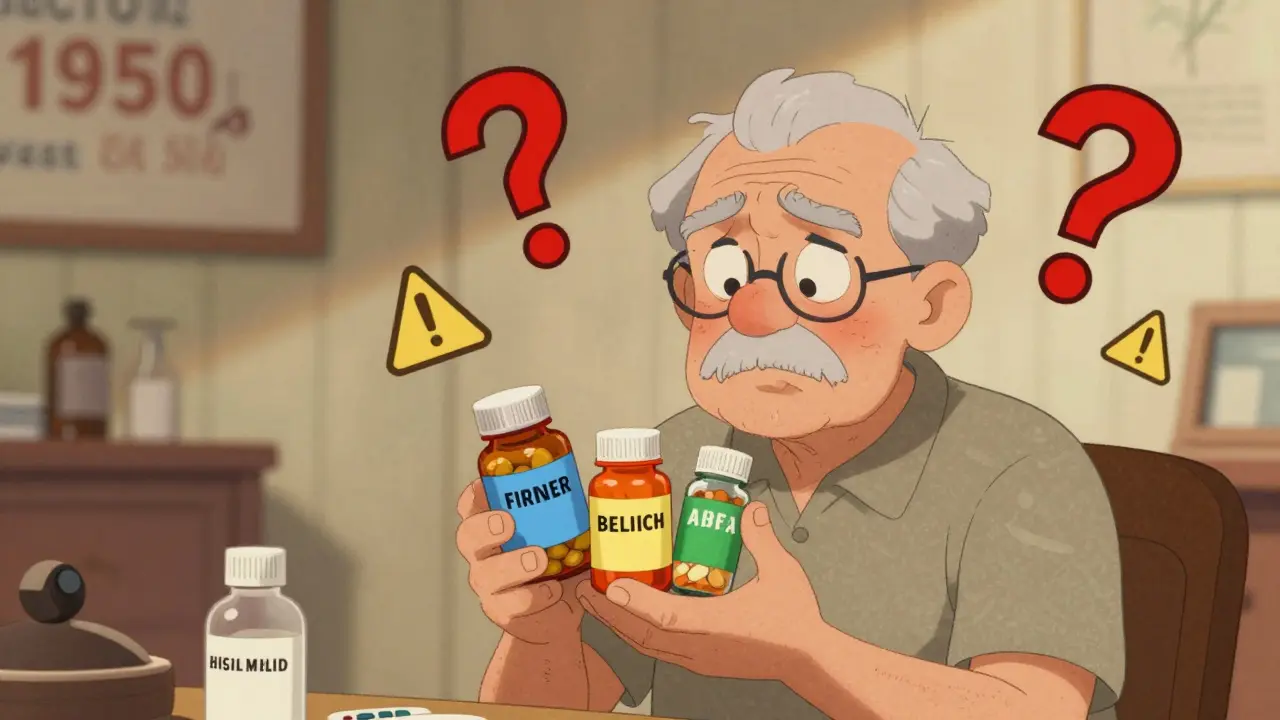
Every year, more than 1.5 million people in the U.S. are hurt by mistakes with their medications. That’s not a small number-it’s more than the population of Austin, Texas. And it’s not just about taking the wrong pill. It’s about taking the right pill at the wrong time, in the wrong dose, or not knowing why you’re taking it at all. Medication safety isn’t just a hospital issue. It’s something that affects you at home, at the pharmacy, and even when you buy pills online.
How Common Are Medication Errors?
One in every 20 patients worldwide suffers harm from a medication error. That means if you’re in a waiting room with 20 people, statistically, one of them has been hurt by a drug mistake. In the U.S., that translates to 1.3 million people each year. These aren’t minor side effects. These are falls, hospitalizations, organ damage, and deaths.
Antibiotics cause the most harm-about 20% of all medication-related injuries. Then come antipsychotics, heart meds, and drugs that affect the brain. Why? Because they’re powerful. A tiny mistake in dosage can turn a treatment into a crisis. IV medications are especially risky. In hospitals and nursing homes, nearly half of all medication errors happen with injections or drips.
And it’s not just hospitals. At home, between 2% and 33% of people make mistakes with their meds. That’s a huge range, but it shows how common it is. People forget doses. They double up because they’re not sure if they already took it. They stop taking antibiotics early because they feel better. All of these choices can backfire.
Who’s Most at Risk?
Older adults are the most vulnerable. One in three seniors takes five or more prescription drugs. The more pills you take, the higher the chance of a bad interaction. In Australia, they saw a 11% drop in inappropriate antipsychotic use for people over 65 after launching targeted education programs. That’s proof that change is possible.
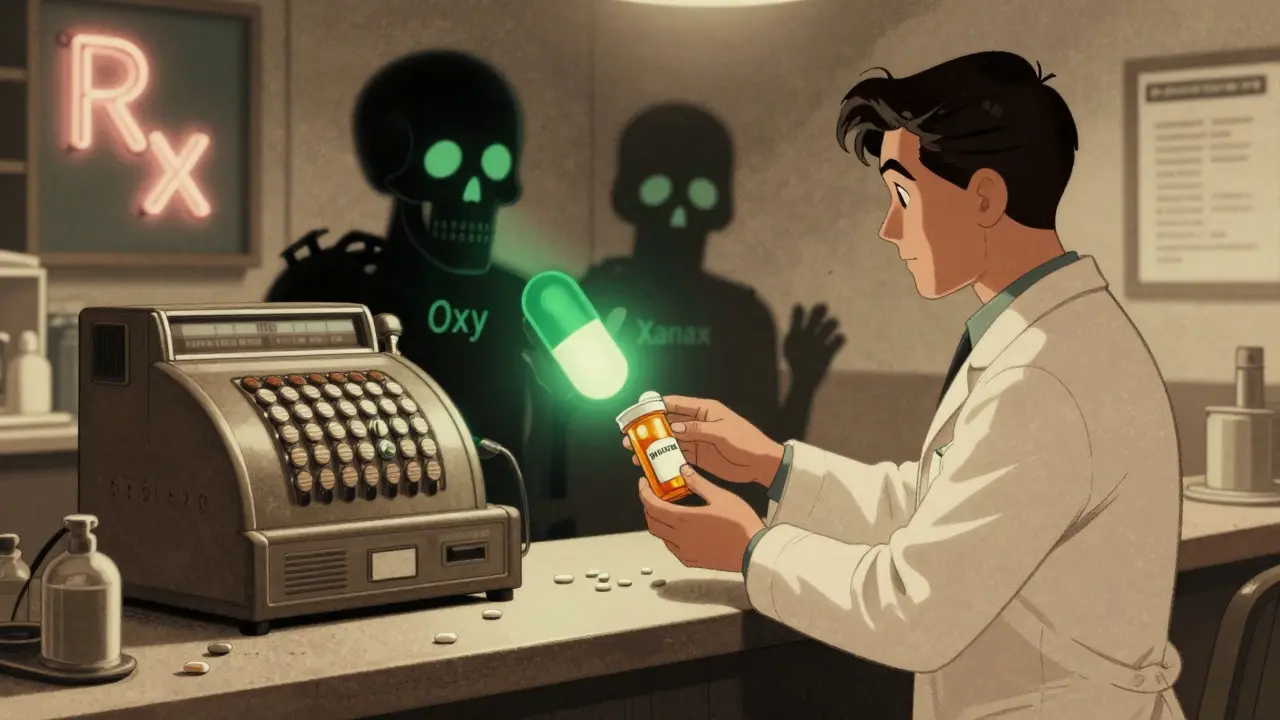
Younger people aren’t safe either. Nearly 9 million Americans misused prescription painkillers in 2021. Millions more took stimulants like Adderall without a prescription. And now, the biggest danger isn’t just misuse-it’s counterfeit drugs. The DEA seized over 80 million fake pills in 2023. Most of them were laced with fentanyl. For people under 45, fentanyl is now the leading cause of death. These pills look just like real oxycodone or Xanax. But they can kill you in seconds.
Where Do Errors Happen?
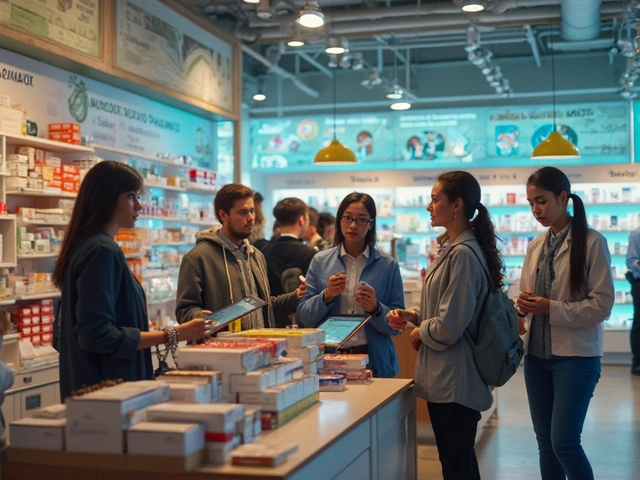
Medication errors happen everywhere. At the doctor’s office, when a prescription is written wrong. At the pharmacy, when the wrong pill is pulled from the shelf. At home, when the patient doesn’t understand the instructions. Even in the hospital, where nurses are under pressure and systems are overloaded, error rates range from 16% to 44%.
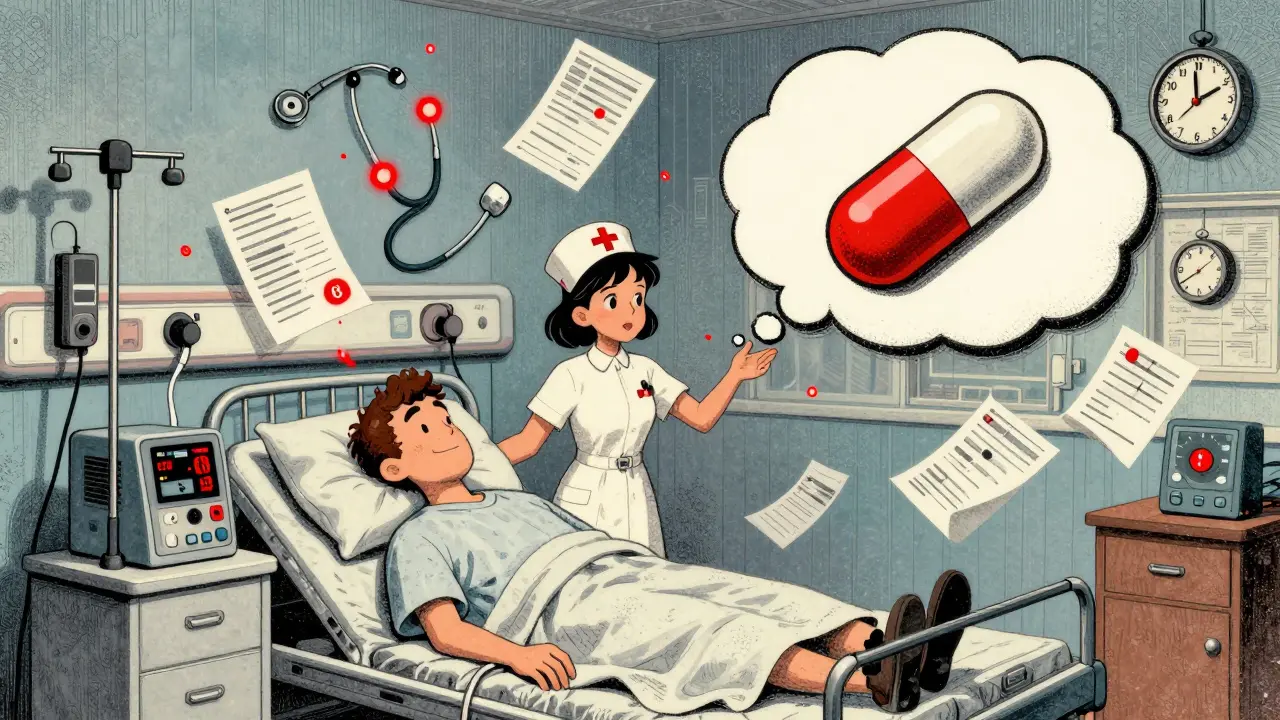
Infusion pumps-devices that deliver medicine through IVs-are a major problem. Between January 2023 and August 2024, over 200,000 malfunctions were reported to the FDA. Two hundred and four of those led to deaths. These machines are supposed to be precise. But when they’re not programmed right, or when staff aren’t trained, they become dangerous.
Online pharmacies are another growing risk. You can buy pills from websites that don’t require a prescription. Many sell fake or contaminated drugs. The FDA has cracked down, but it’s a cat-and-mouse game. Counterfeit drugs are now the fastest-growing threat to medication safety globally.
What’s Being Done?
Organizations like the World Health Organization are pushing for change. Their “Medication Without Harm” campaign started in 2017 and now has 134 countries working on national plans. Australia is one of the success stories. They cut opioid deaths by 37% since 2018 by using real-time prescription monitoring. That means doctors can see what other meds a patient is taking before writing a new one.
In the U.S., Medicare is tracking 16 new safety measures for 2025. They’re watching how often people take their blood pressure, cholesterol, and diabetes meds correctly. They’re also tracking high-dose opioids and antipsychotics in dementia patients-two areas where misuse is common and deadly.
Technology is helping too. Some hospitals are using AI to check for drug interactions before a prescription is even filled. Early results show these tools can cut errors by up to 30%. But tech alone won’t fix this. People still need to be involved.
What You Can Do to Protect Yourself
You don’t have to wait for systems to change. There are simple, powerful steps you can take right now:
- Keep a live list of every medication you take. Include the name, dose, why you take it, and when. Update it every time your doctor changes something. Bring this list to every appointment.
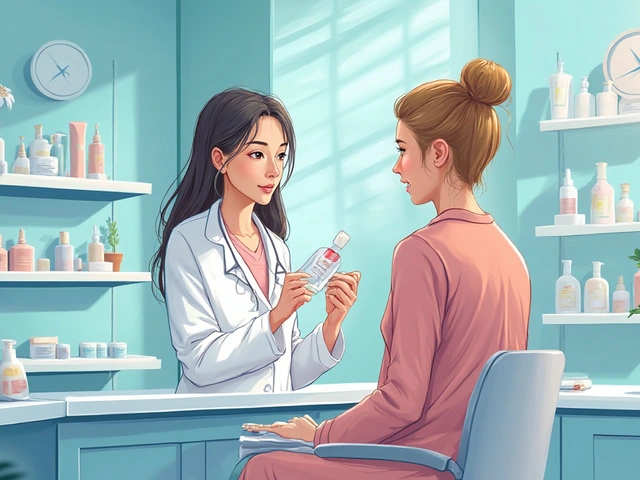
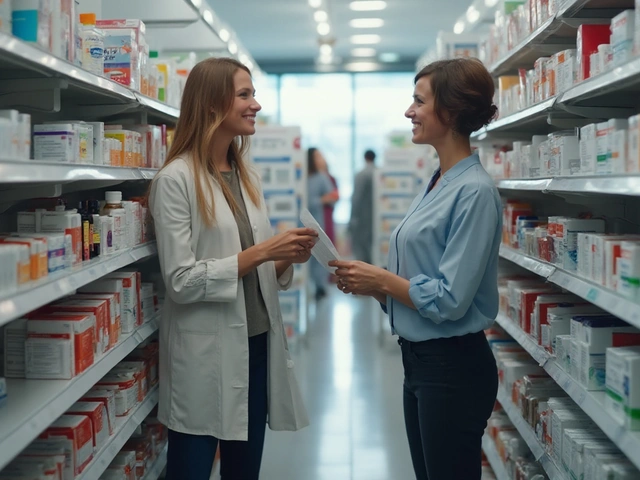
- Use one pharmacy for all your prescriptions. That way, the pharmacist can spot dangerous interactions between your drugs. Don’t switch pharmacies just because one is cheaper.
- Ask the five questions every time you get a new prescription: What is this for? How do I take it? What are the side effects? What should I avoid? What happens if I miss a dose?
- Check the pills. If your pill looks different than last time-color, shape, markings-ask the pharmacist. Don’t assume it’s the same drug.
- Never stop or change a drug without talking to your doctor. Even if you feel fine. Some meds need to be tapered off slowly.
And if you’re helping an older relative or someone with memory issues, be their medication watchdog. Set phone alarms. Use pill organizers. Read the labels out loud together.
The Bigger Picture
Most medication errors aren’t caused by bad doctors or careless nurses. As Dr. Donald Berwick, a top patient safety expert, said: “Most errors are system failures, not individual failures.” That means the problem isn’t you. It’s the way care is organized.
But that doesn’t mean you’re powerless. You’re the last line of defense. No AI, no pharmacy system, no hospital protocol can replace your eyes, your questions, and your voice.
Medication safety isn’t about being perfect. It’s about being aware. It’s about not assuming. It’s about asking the same question twice if you’re unsure. Because the cost of silence isn’t just a missed dose-it’s a life.
What’s Next?
The global market for patient safety tools is growing fast-projected to hit $14.3 billion by 2029. That’s because more people are realizing this isn’t just a hospital problem. It’s a public health emergency.
But money and tech won’t save you unless you’re part of the solution. The next time you pick up a prescription, don’t just take it. Understand it. Question it. Protect it. Your life depends on it.

9 Comments
Caleb Sutton
February 3, 2026 at 21:00
They're hiding the real cause. Big Pharma funds the 'safety' campaigns so they can keep selling you poison pills. The FDA approves drugs based on lobbying, not science. You think your 'live list' matters when the system is rigged?
pradnya paramita
February 4, 2026 at 00:08
Medication error rates are significantly influenced by pharmacokinetic variability, polypharmacy-induced drug-drug interactions, and suboptimal health literacy. The WHO's Medication Without Harm initiative aligns with pharmacovigilance frameworks, yet implementation remains fragmented due to infrastructural disparities in LMICs. Standardized electronic prescribing with clinical decision support systems (CDSS) reduces error incidence by 28–42% in randomized trials.
Jamillah Rodriguez
February 5, 2026 at 21:25
I read this and just sighed. Like, sure, keep a list. Use one pharmacy. Ask questions. But have you seen the wait times? The rushed appointments? The pharmacy techs yelling at you while they're on their 4th refill? It's not that I don't care. I'm just exhausted.
Susheel Sharma
February 7, 2026 at 15:30
The entire edifice of pharmaceutical oversight is a performative farce. The 'AI tools' cited? Mostly marketing fluff wrapped in algorithmic mysticism. The real crisis lies in the commodification of human physiology-where a pill is a profit center, not a therapeutic intervention. Fentanyl-laced counterfeits? A symptom, not the disease.
Janice Williams
February 9, 2026 at 10:35
This post is dangerously naive. You imply personal responsibility can compensate for systemic collapse. That is not merely misguided-it is morally irresponsible. The burden should not fall on the elderly, the illiterate, or the economically disenfranchised to navigate a broken system. This is not empowerment. It is victim-blaming dressed as advice.
Roshan Gudhe
February 10, 2026 at 03:02
We’re all just trying to survive in a world that treats our bodies like data points. The real question isn’t how to avoid errors-it’s why we’ve allowed healthcare to become so detached from care. I’ve seen people take pills they don’t understand because they’re too afraid to ask. That’s not ignorance. That’s trauma. We need compassion, not checklists.
Rachel Kipps
February 11, 2026 at 04:23
i think the part about using one pharmacy is really important. i didnt know they could catch interactions that way. i always just went to whatever was closest. oops. also, i always forget to write down the why. ill start doing that. thanks for sharing.
Prajwal Manjunath Shanthappa
February 12, 2026 at 01:36
The suggestion to 'ask the five questions' is not merely inadequate-it is an insult to human dignity. When your survival depends on the patience of a harried pharmacist who hasn’t slept in 14 hours, you are not participating in a dialogue. You are begging for mercy. And mercy, my friends, is not a system. It is a luxury.
Wendy Lamb
February 13, 2026 at 16:09
My mom takes 8 meds. I set her alarms. I check the pills. I call the pharmacy when something looks off. It’s not glamorous. But it works. You don’t need a PhD. You just need to show up.