Opioids in Seniors: Safe Pain Management and Monitoring Guide
Managing pain in older adults is a delicate balancing act. On one side, you have the necessity of providing relief so a person can maintain their quality of life; on the other, you have a body that doesn't process medication the way it did forty years ago. When it comes to opioid pain management for seniors is a specialized clinical practice that balances effective pain relief with minimized risks through individualized dosing and vigilant monitoring , the stakes are high. A mistake in dosing isn't just a side effect-it can lead to a fall, severe confusion, or respiratory distress.
Quick Essentials for Safe Use
- Start Low: Begin with 30-50% of the standard adult dose.
- Avoid "Long-Acting" First: Never start an opioid-naïve senior on a patch or extended-release pill.
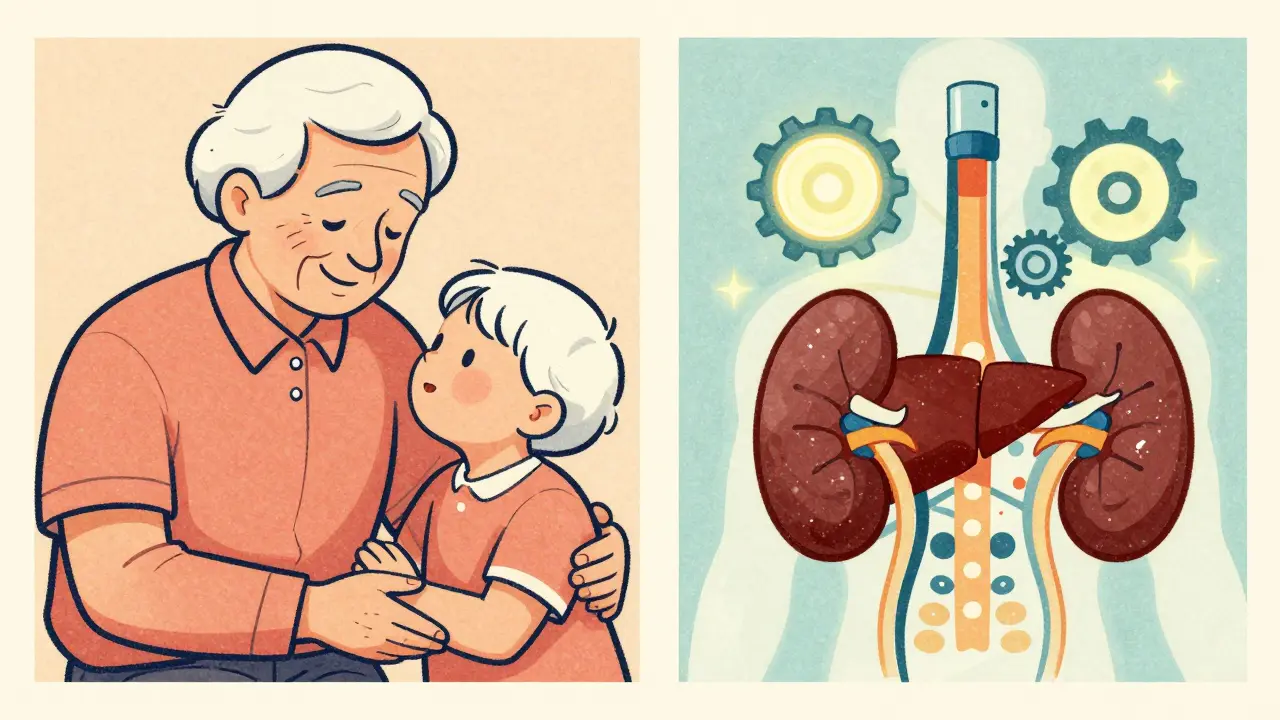
- Watch the Kidney/Liver: Age-related decline in organ function means drugs stay in the system longer.
- Prioritize Function: The goal is not "zero pain," but the ability to walk, eat, and engage with family.
The Shift in Senior Pain Standards
For a few years, there was a lot of fear around prescribing opioids due to the 2016 CDC guidelines. While those rules were meant to stop the opioid crisis, they had an accidental side effect: many seniors, especially those fighting cancer, were left in unnecessary pain because doctors were afraid to cross arbitrary dosage limits. Thankfully, the CDC Centers for Disease Control and Prevention, the national public health agency of the United States released updated guidelines in 2022. These new rules admit that the previous approach was too rigid. Now, the focus is on the individual. If a patient has advanced cancer or is in palliative care, opioids remain the first-line treatment for moderate to severe pain, often showing a 75% response rate and cutting pain intensity in half.
Choosing the Right Medication
Not all opioids are created equal, and some are downright dangerous for someone over 65. For instance, Meperidine a synthetic opioid analgesic that is generally avoided in the elderly due to toxic metabolites and codeine should be avoided entirely. Meperidine can leave behind metabolites that trigger seizures or delirium in a fragile brain. Then there are the "cautious" choices. Tramadol and tapentadol are options, but they carry risks of serotonin syndrome, especially if the senior is already taking several other medications (polypharmacy). Many clinicians are now looking toward Buprenorphine a partial opioid agonist used for pain and addiction treatment, often delivered via transdermal patch in seniors . Because it is a partial agonist, it tends to cause less constipation and fewer central nervous system side effects when used at low doses compared to full agonists like morphine.
| Medication Type | Typical Use/Benefit | Key Senior Risk | Expert Recommendation |
|---|---|---|---|
| Buprenorphine | Chronic pain/Palliative | Lower constipation risk | Strong contender for safety |
| Morphine/Oxycodone | Moderate to Severe pain | Sedation, Respiratory depression | Start at 30-50% adult dose |
| Meperidine | Avoided | Seizures, Delirium | Do not use in seniors |
| NSAIDs | Short-term inflammation | GI bleeding, Kidney injury | Limit to 1-2 weeks |
| Gabapentinoids | Neuropathic pain | Dizziness, Confusion | Limited opioid-sparing effect |

Dosing and Titration Logic
In the world of geriatric care, the mantra is "start low and go slow." For a patient who hasn't used opioids before (opioid-naïve), the starting dose should be about half of what a younger adult would take. In practical terms, this might mean splitting a pill-for example, starting with 2.5 mg of oxycodone rather than a full 5 mg tablet. Timing is just as important as the dose. You can't just ramp up the medication every day. Titration should follow the drug's "terminal half-life." For something like immediate-release oxycodone, you shouldn't adjust the dose more than once every 48 hours. If you move too fast, the drug can build up in the system, leading to accidental overdose or profound sedation.
It's also vital to understand MME Morphine Milligram Equivalents, a standardized way to compare the potency of different opioid medications . Healthcare providers typically categorize dosages into three buckets:
- Low-dose: Up to 40 MME per day.
- Medium-dose: 41-90 MME per day.
- High-dose: Over 90 MME per day.
Monitoring for Red Flags
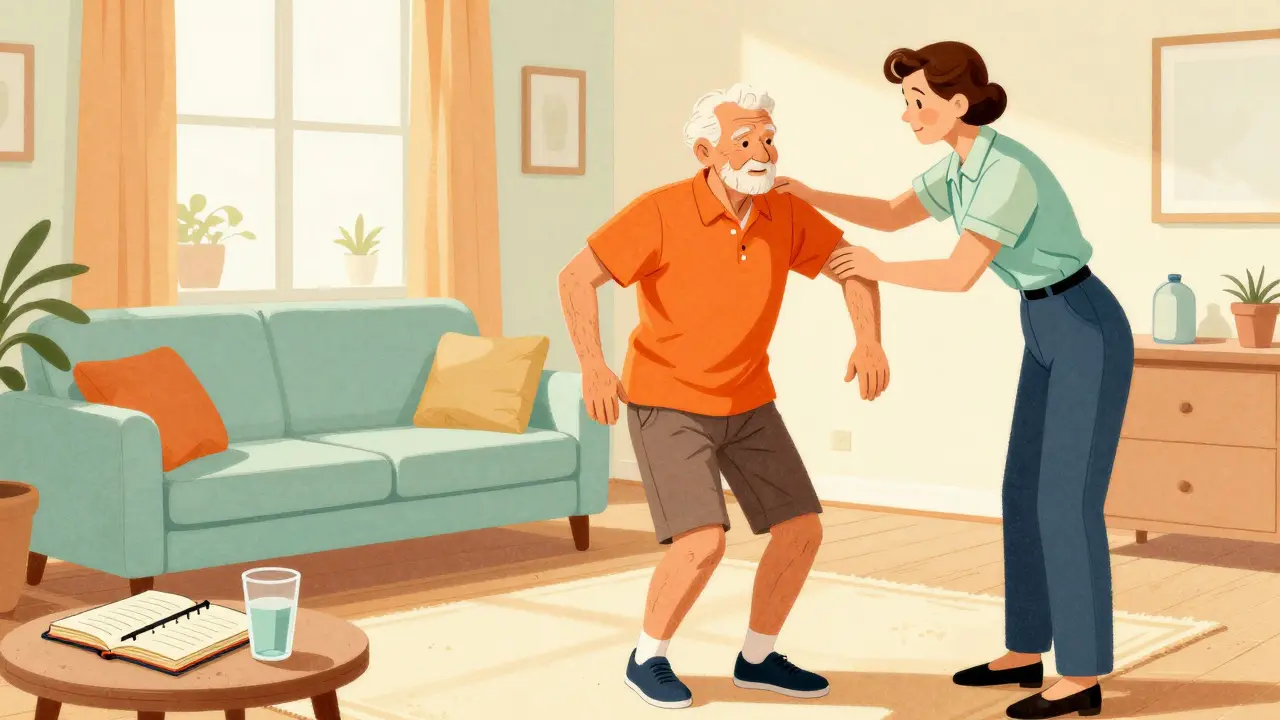
Once a senior starts an opioid, the monitoring phase is where the real safety happens. You aren't just looking at the pain scale; you're looking at the whole person. First, watch the brain. Delirium is a massive concern. If a senior suddenly becomes confused, agitated, or doesn't know where they are, the medication may be too high or interacting poorly with other drugs. Second, check the lungs. Respiratory function must be monitored, especially if the patient has sleep apnea. Then there is the "silent" side effect: constipation. Opioids slow down the gut. Proactive bowel management isn't optional-it's a requirement. If you start the opioid, you start the bowel regimen at the same time.
When to Use Alternatives
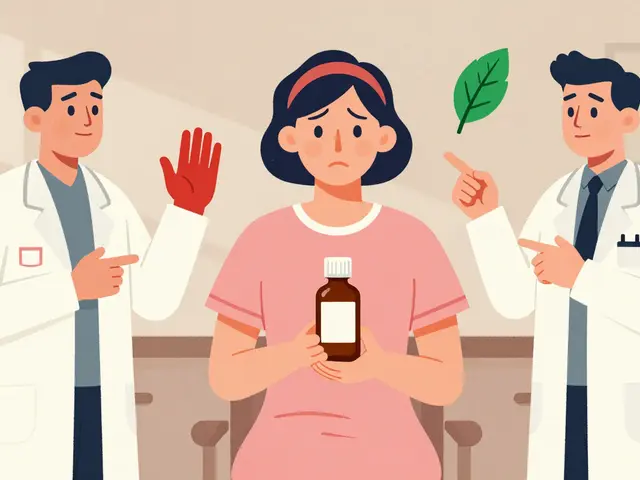
Opioids shouldn't be the first tool pulled from the kit unless the pain is severe or cancer-related. Non-pharmacological options-like physical therapy or cognitive behavioral therapy-can often reduce the amount of medication needed. When using other drugs, be careful. Many doctors switch to NSAIDs Nonsteroidal anti-inflammatory drugs used for pain and inflammation , but these are risky for seniors. Long-term use can lead to acute kidney injury or gastrointestinal bleeding. The general rule is to limit these to one or two weeks during a pain flare-up. Acetaminophen (Tylenol) is safer, but it has its own ceilings. For most seniors, 3 grams in 24 hours is the limit. For those over 80 or those who are particularly frail, that limit drops to 2 grams to protect the liver.
Can seniors use long-acting opioid patches immediately?
No. For opioid-naïve seniors, guidelines recommend against starting with patches or long-acting formulations. These should only be introduced after the patient has developed a tolerance using immediate-release agents to prevent dangerous respiratory depression.
What is the safest way to increase an opioid dose for an older adult?
Dose escalation should be slow and based on the drug's half-life. For example, immediate-release oxycodone should not be titrated more than once every 48 hours. Starting at 30-50% of a standard adult dose is the recommended baseline.
Why are meperidine and codeine avoided in the elderly?
These medications produce metabolites that can accumulate in the body due to decreased renal function in seniors. This accumulation can lead to serious neurological issues, including delirium and seizures.
How does MME help in managing senior pain?
MME (Morphine Milligram Equivalents) allows doctors to convert various opioids into a single common metric. This helps them identify if a patient has moved into a "high-dose" category (over 90 MME), which alerts the provider to increase monitoring for side effects like falls and sedation.
What non-opioid alternatives are recommended?
Physical therapy, cognitive behavioral therapy, and short-term use of NSAIDs are recommended. Acetaminophen is a common first-line choice, though doses must be capped at 2-3 grams per day depending on the patient's frailty.
Next Steps for Caregivers and Patients
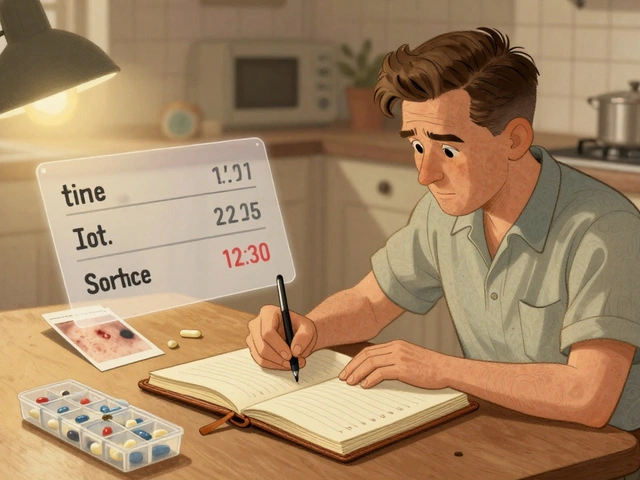
If you are managing a loved one's pain, start by creating a pain diary. Document not just the pain level, but the functional impact-can they get to the bathroom? Can they feed themselves? This data is more valuable to a doctor than a number from 1 to 10. If the patient is on a multi-drug regimen, ask the pharmacist for a "polypharmacy review" to check for interactions that might increase sedation. Finally, if you notice new confusion or a sudden change in mood, treat it as a potential medication side effect and contact the provider immediately for a dose evaluation.