Absolute Risk: Understand Real Drug Dangers and What They Mean for You
When a drug label says it increases your risk of a heart attack by 50%, that sounds scary—until you find out that your actual chance was 2 in 1,000. That 50% jump? It’s now 3 in 1,000. This is the difference between absolute risk, the actual probability of an event happening to you, regardless of comparisons. Also known as personal risk, it’s what matters most when you’re deciding whether a medication is right for you. Most people hear "risk increase" and panic, but without knowing the baseline, you’re flying blind.
Relative risk, how much a treatment changes your chance compared to someone not taking it is what drug companies and headlines love to use. It makes small numbers look huge. But absolute risk, the actual probability of an event happening to you, regardless of comparisons tells you what you’re really facing. For example, a drug might cut your risk of stroke from 4% to 3%—that’s a 25% relative risk reduction, but only a 1% absolute change. One sounds impressive. The other? It’s realistic.
That’s why you’ll see absolute risk mentioned in FDA Medication Guides, transplant drug warnings, and diabetes safety alerts. If you’re on immunosuppressants after a transplant, your absolute risk of kidney damage might be 8%. If a new drug lowers that to 6%, that’s a 25% relative drop—but only a 2% absolute improvement. Is it worth the cost? The side effects? That’s your call. Same with DPP-4 inhibitors and joint pain: if 1 in 100 users gets severe pain, that’s a 1% absolute risk. Not zero. Not negligible. But also not a reason to stop without talking to your doctor.
When you read about HBV reactivation from biologics, or licorice messing with your blood pressure meds, or insulin losing potency after expiration—none of these are abstract. They’re real numbers tied to real people. The FDA requires absolute risk data because they know people need more than percentages. They need context. You don’t just want to know if something is risky. You want to know if it’s risky for you.
Below, you’ll find real guides that break down exactly how these risks show up in everyday meds—from the insulin you inject to the antivirals you take after a transplant. No fluff. No jargon. Just what the numbers mean, how to spot them in your paperwork, and what to do next.
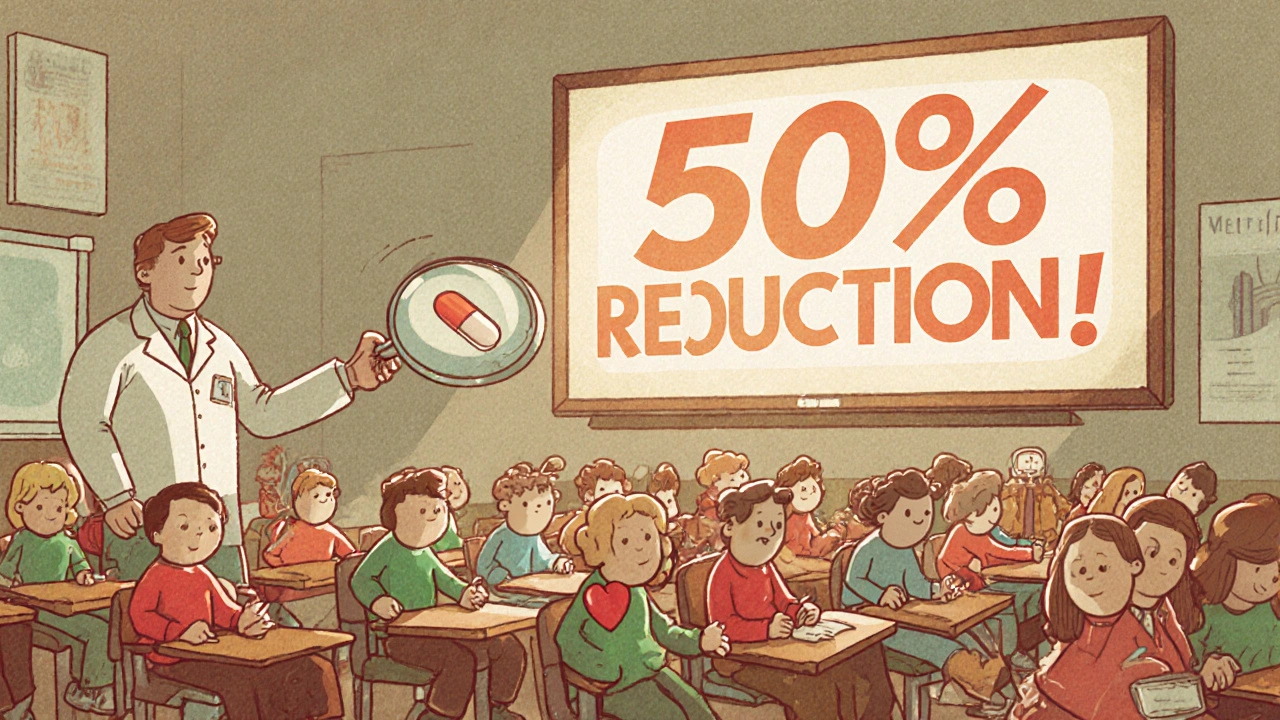
Absolute Risk vs Relative Risk in Drug Side Effects: How to Interpret the Numbers
Learn how to read drug risk numbers correctly by understanding the difference between absolute and relative risk. Stop being misled by pharmaceutical ads and make smarter decisions about your health.
Read MoreLatest Post
-
-

How to Get Free Samples Ethically and Track Lot Expiration 18 February 2026
-

-

Altraz (Anastrozole) vs Alternatives: Full Comparison Guide 28 September 2025
-