
Adverse Drug Reaction: What It Is, Why It Matters, and How to Spot It
When you take a medication, you expect it to help—not hurt. But sometimes, the very drug meant to treat your condition causes unexpected harm. This is an adverse drug reaction, an unintended and harmful response to a medicine at normal doses. Also known as a drug side effect, it’s not always a mistake—it’s often just how the body reacts to chemicals it wasn’t designed to handle. These reactions range from mild itching to liver failure, and they happen far more often than most people realize.
Not all adverse drug reactions are the same. Some are predictable—like nausea from antibiotics or dizziness from blood pressure pills. Others are rare and unpredictable, like a sudden severe rash from a drug you’ve taken for months. The real danger comes when you don’t recognize the signs. For example, DPP-4 inhibitors, a class of diabetes drugs including Januvia, can cause crippling joint pain that’s easily mistaken for arthritis. Or take licorice, a common herbal supplement: even a daily piece can mess with your blood pressure meds, drop your potassium, and trigger heart rhythm problems. These aren’t rare cases—they’re documented, preventable risks that show up again and again in patient stories.
Adverse drug reactions don’t just happen because of the drug itself. They’re often worsened by what else you’re taking. A simple interaction between your statin and grapefruit juice can spike your risk of muscle damage. Your antibiotics might lose power if you’re also taking antacids. Even over-the-counter painkillers like Tylenol can cause liver injury if you’re already on other meds that stress the same organ. And it’s not just about pills—herbs, supplements, and even foods like licorice can turn a safe drug into a dangerous one. That’s why knowing your full list of medications and what they do together matters more than you think.
What makes this even trickier is that many people don’t report these reactions. They assume the headache, the rash, the fatigue is just part of aging, or they think it’s too minor to mention. But if you don’t tell your doctor, the same mistake keeps happening—to you and to others. That’s why the posts here focus on real-world ways to protect yourself: asking the right questions at the pharmacy, spotting hidden interactions, verifying dose changes, and understanding what your prescription label really says. You won’t find fluff here—just clear, practical steps to catch problems before they become emergencies.
Whether you’re managing diabetes, high blood pressure, epilepsy, or HIV, the risk of an adverse drug reaction is always there. But knowledge cuts that risk in half. The articles below give you the tools to recognize warning signs, ask smarter questions, and work with your healthcare team—not just take pills and hope for the best. You’re not just a patient. You’re the most important part of your own safety net.
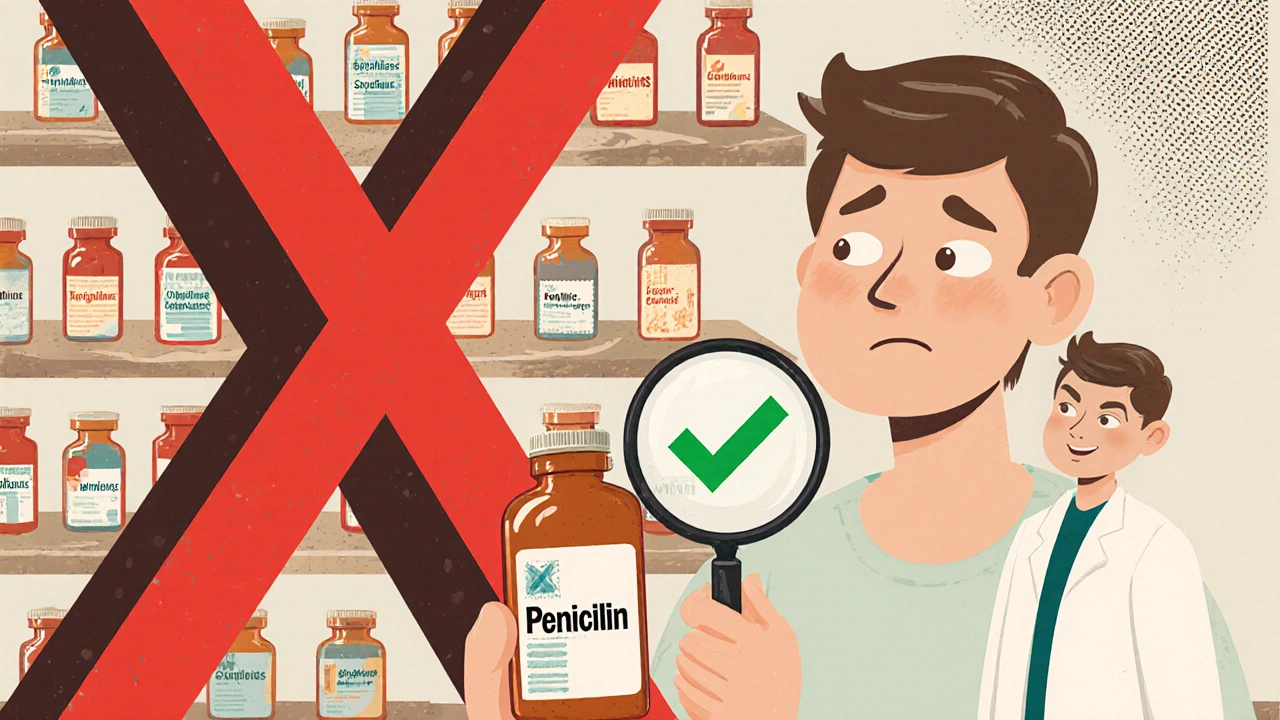
When to Avoid a Medication Family After a Severe Drug Reaction
Not every severe drug reaction means avoiding an entire medication family. Learn when cross-reactivity is real, when it's not, and how to avoid unnecessary treatment delays due to outdated allergy labels.
Read MoreLatest Post
-
How to Get Free Samples Ethically and Track Lot Expiration 18 February 2026
-
-
-

-

Unlock the Power of Bloodroot: Your Ultimate Health Booster 8 September 2024