Amoxicillin After Expiration: Is It Safe to Use?
When you find an old bottle of amoxicillin, a common antibiotic used to treat bacterial infections like ear infections, sinusitis, and pneumonia. It's known by brand names like Amoxil and Moxatag, and it's one of the most prescribed antibiotics worldwide. But what happens when it sits in your medicine cabinet past the printed date? Many people assume expired drugs are just less effective. The truth is more complicated—and sometimes dangerous.
antibiotic potency, the strength of an antibiotic to kill or stop bacteria doesn’t always drop evenly. For liquid antibiotics, like amoxicillin suspension, which is mixed by pharmacies, the problem is serious. Once mixed, liquid amoxicillin starts breaking down within days. After 14 days, even if the bottle says it’s good for 14 days, the drug may have lost enough strength to fail at treating an infection. That’s not just a risk—it’s a recipe for antibiotic resistance. Bacteria that survive under-dosed antibiotics become tougher to kill later. And for drug expiration dates, the date manufacturers guarantee full potency and safety under proper storage, it’s not a suggestion—it’s a hard cutoff for stability testing.
Some medications, like insulin or epinephrine, become unsafe after expiration. Amoxicillin won’t turn toxic like those, but it can become useless. The FDA and most pharmacists agree: don’t use expired antibiotics to treat active infections. If you’re sick and your amoxicillin is past its date, get a new prescription. There’s no reliable way to tell if it still works just by looking at it. Even if it looks fine, smells fine, or hasn’t changed color, the active ingredient could be degraded. And if you’re treating something like strep throat or pneumonia, a weak dose could let the infection spread or come back worse.
Storage matters too. Amoxicillin kept in a humid bathroom or a hot car degrades faster than if stored in a cool, dry place. The expiration date assumes proper storage. If your bottle got wet or was left in direct sunlight, toss it even if it’s not expired yet. The same goes for pills that are cracked, discolored, or smell odd. These aren’t just signs of age—they’re red flags.
There’s a reason drug manufacturers print expiration dates. It’s not just about profit—it’s about safety. Studies show many expired drugs retain some potency, but antibiotics are different. They’re not meant to be guesswork. When you take them, you’re trusting that every pill or milliliter delivers the full dose needed to kill the bacteria. Compromising that trust puts your health—and the effectiveness of antibiotics for everyone—at risk.
What you’ll find below are real, practical guides on expired medications, how to handle them safely, and when to never take a chance. From insulin to liquid antibiotics, these posts give you the facts you need to protect yourself and your family. No fluff. Just clear, actionable advice from people who’ve seen what happens when people use outdated drugs.
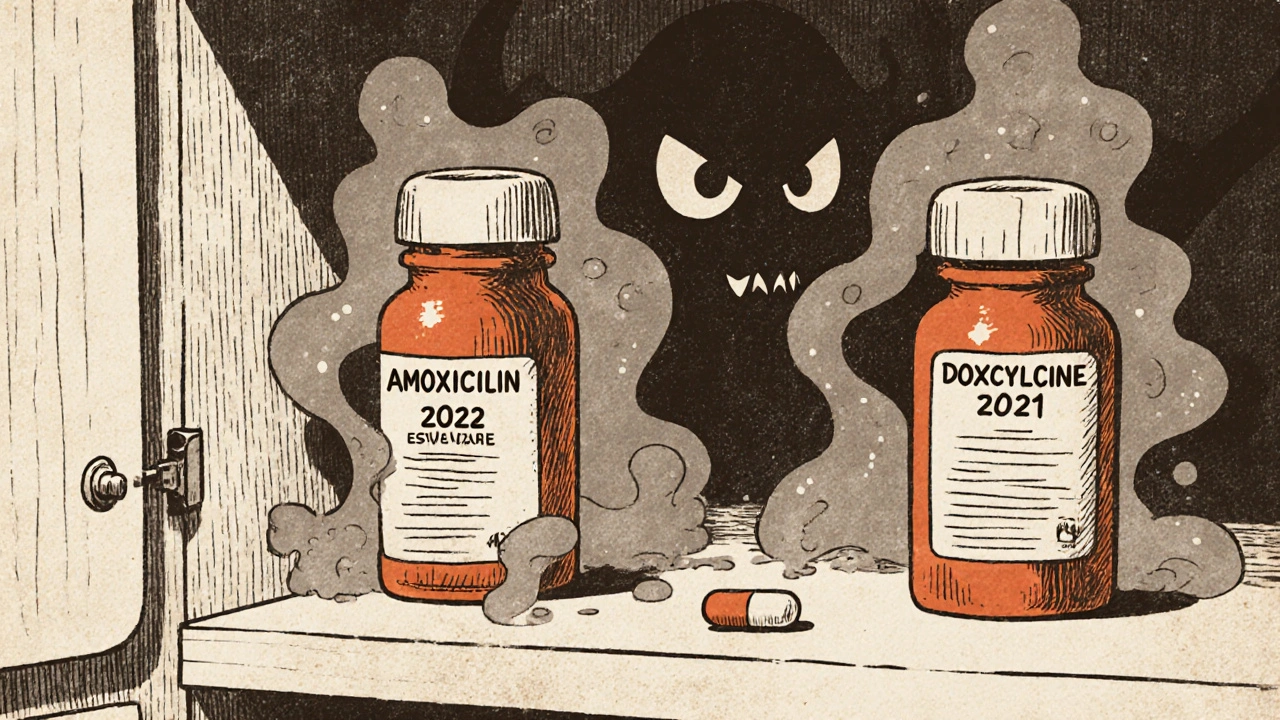
Antibiotic Effectiveness After Expiration Dates: What You Really Need to Know
Expired antibiotics may still look fine, but they often lose potency and can fuel dangerous antibiotic resistance. Learn what really happens when you take them, which types are safer, and when it's never okay.
Read MoreLatest Post
-
When to Avoid a Medication Family After a Severe Drug Reaction 17 November 2025
-

-
-

-