Double Check Protocol: Why It Saves Lives in Medication Safety
When it comes to medications, one wrong dose can change everything. That’s why the double check protocol, a standardized safety process where two trained professionals independently verify a medication before administration. Also known as two-person verification, it’s not just a rule—it’s a lifeline. This isn’t about bureaucracy. It’s about stopping errors before they happen. Think of it like a seatbelt for your medicine: you don’t need it every day, but when you do, it’s the only thing standing between you and disaster.
The double check protocol, a standardized safety process where two trained professionals independently verify a medication before administration. Also known as two-person verification, it’s not just a rule—it’s a lifeline. is used everywhere drugs are handled: hospitals, pharmacies, nursing homes, even home care. It’s required for high-risk meds like insulin, blood thinners, chemotherapy, and opioids. But it’s not just about the drug name and dose. The protocol checks the patient’s identity, the route of delivery, the timing, and even the expiration date. One post on this site talks about how zidovudine, an early HIV drug that requires precise dosing and monitoring was saved from misuse because of this step. Another highlights how Combivir, a combination HIV medication with two active ingredients needs extra scrutiny because mixing errors can lead to treatment failure or toxicity.
Why do so many mistakes still happen? Because the protocol is often treated like a checkbox, not a safety net. Nurses rushing between shifts. Pharmacists overwhelmed by volume. Staff skipping steps because "we’ve done this a thousand times." But every time someone skips the double check, they’re gambling with someone’s life. The pharmacy transfer, the process of moving prescriptions between pharmacies with full documentation system relies on this same principle—accuracy at every handoff. And when it fails, patients end up on the wrong drug, like someone taking licorice, a common herbal supplement that can dangerously interact with blood pressure meds while on ACE inhibitors, unaware of the risk because no one double-checked their supplement list.
What you’ll find below isn’t just a list of articles. It’s a collection of real stories where the double check protocol either worked—or didn’t. From how patient advocacy changed HIV treatment with zidovudine, an early HIV drug that requires precise dosing and monitoring, to why DPP-4 inhibitors, a class of diabetes drugs that can cause severe joint pain if not properly monitored need clear warnings, every post here ties back to one truth: medication safety isn’t luck. It’s a system. And the double check protocol is the most reliable part of it.
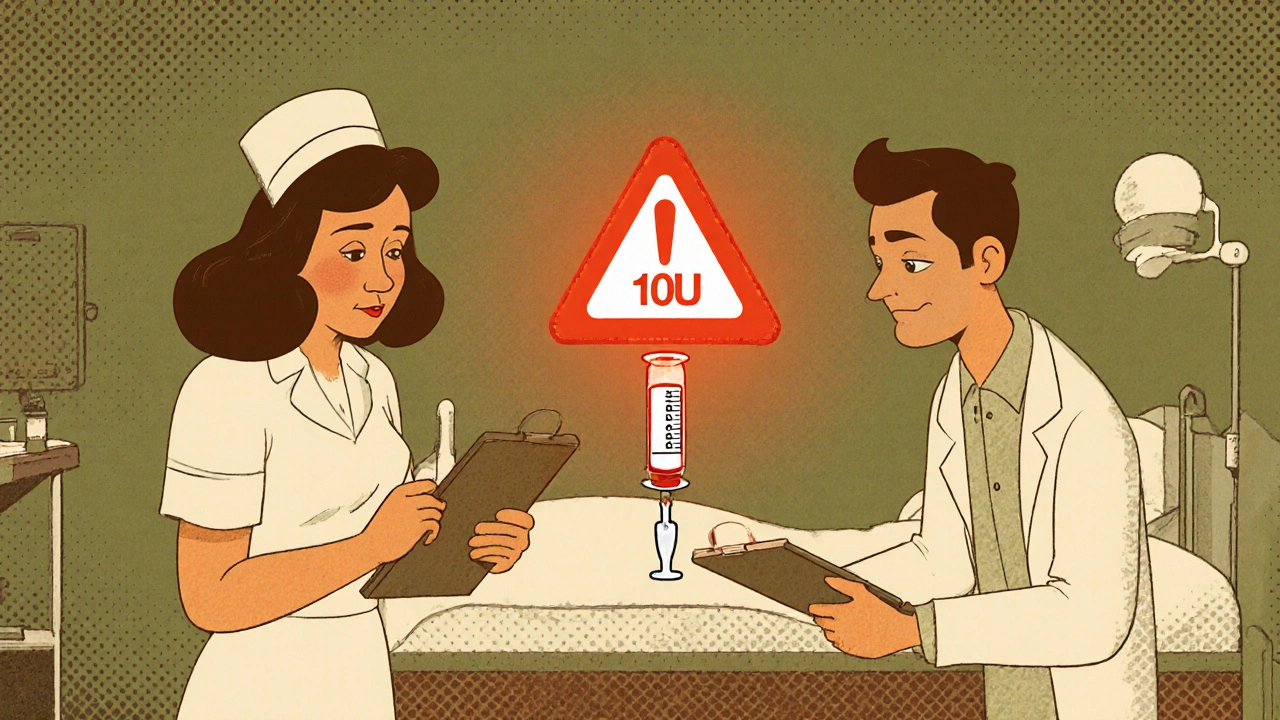
How to Verify Dose Changes and Avoid Miscommunication in Healthcare
Learn how to verify medication dose changes safely using proven protocols like independent double checks, SBAR communication, and targeted barcode scanning to prevent deadly errors in healthcare settings.
Read More