
Drug Allergy: Signs, Triggers, and How to Stay Safe
When your body mistakes a drug allergy, an immune system overreaction to a medication that causes harmful symptoms. Also known as medication allergy, it’s not just a side effect—it’s your body treating a drug like an invader. This isn’t the same as nausea or dizziness from a pill. A true drug allergy involves your immune system, and it can turn dangerous fast. Think rash, swelling, trouble breathing, or even anaphylaxis. It doesn’t matter if you’ve taken the drug before—your body can change its mind at any time.
Some drugs are more likely to trigger this kind of reaction. Penicillin and sulfa drugs are common culprits, but even over-the-counter pain relievers like ibuprofen or aspirin can set off a response in sensitive people. And it’s not just pills—injectables, creams, and even IV meds can cause problems. If you’ve ever broken out in hives after a shot, or felt your throat close up after taking a new medicine, that’s not coincidence. It’s your immune system screaming for help. People with other allergies, like to pollen or food, are more likely to develop drug allergies too. And once you’ve had one reaction, your risk goes up every time you’re exposed again.
Knowing the difference between a side effect and a real allergy saves lives. A headache from a new blood pressure pill? Probably not an allergy. But if your lips swell up, your tongue feels thick, or you start wheezing? That’s an emergency. Many patients don’t realize they have a drug allergy until it’s too late—because they didn’t report a mild rash, or their doctor didn’t ask. That’s why writing down every reaction, no matter how small, matters. Your pharmacy records should reflect this. So should your doctor’s notes. And if you’ve ever been told you’re allergic to a drug, make sure you carry that info with you—on a card, in your phone, or on a medical ID bracelet.
What you’ll find below are real stories and practical guides from people who’ve been there. You’ll learn how to spot hidden triggers in common meds, how to talk to your pharmacist without sounding paranoid, and what to do if you react after leaving the clinic. There are checks you can run before taking anything new, and questions you should always ask—even if you’ve used the drug for years. This isn’t about fear. It’s about control. You don’t have to guess whether your skin is reacting because of stress or a pill. You can know. And you can act.
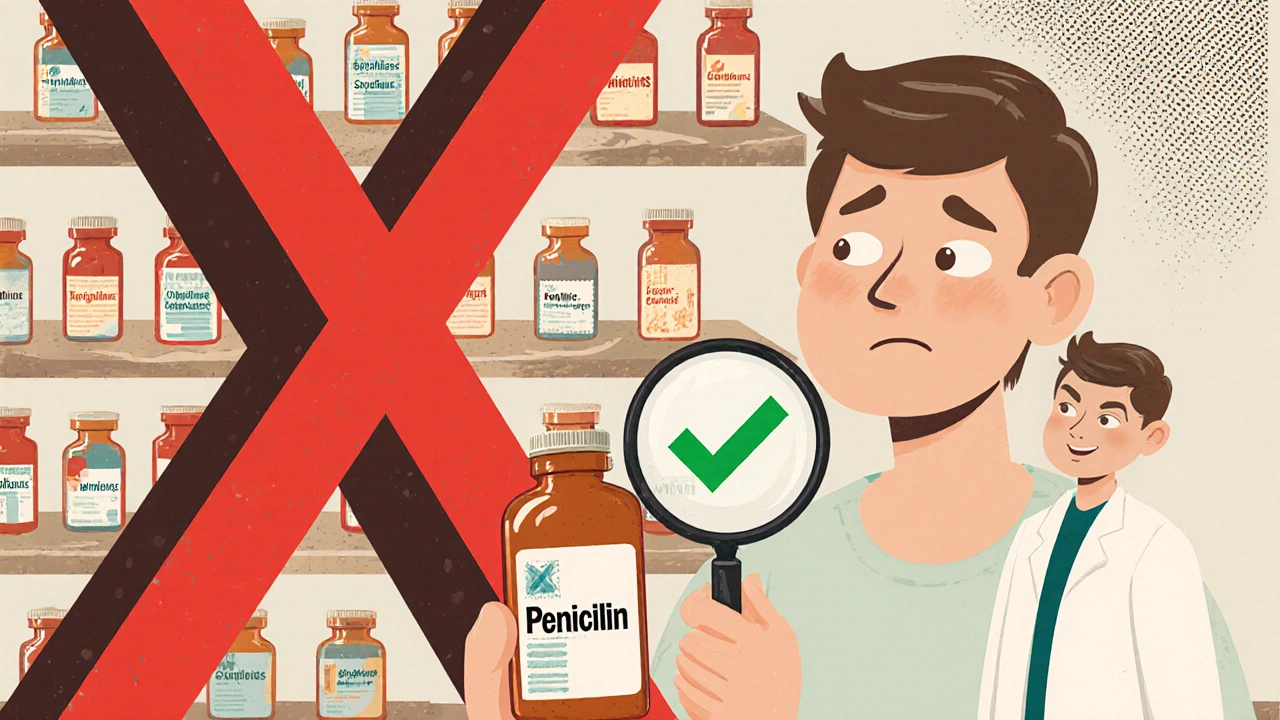
When to Avoid a Medication Family After a Severe Drug Reaction
Not every severe drug reaction means avoiding an entire medication family. Learn when cross-reactivity is real, when it's not, and how to avoid unnecessary treatment delays due to outdated allergy labels.
Read MoreLatest Post
-

Tricor (Fenofibrate) Guide: Uses, Dosage, Side Effects & FAQs 21 September 2025
-

How Atrophic Gastroenteritis Links to Chronic Fatigue Syndrome 22 September 2025
-

-

-
Naloxone Readiness Plan: How to Keep Patients Safe on Opioids 8 December 2025