
Smoking Cessation Medications: Bupropion and Drug Interactions You Must Know
Quitting smoking isn’t just about willpower. For many, it’s a battle against brain chemistry. That’s where bupropion comes in. Marketed as Zyban, this medication doesn’t replace nicotine like patches or gum. Instead, it changes how your brain responds to cravings - and that makes it powerful. But here’s the catch: bupropion doesn’t play well with everything. If you’re taking other drugs, even common ones, you could be putting yourself at risk.
How Bupropion Actually Works
Bupropion started life as an antidepressant called Wellbutrin. Doctors noticed something strange: patients who took it for depression were quitting smoking more often. That led to a new use: helping people stop smoking. The FDA approved it for this in 1997.
Unlike nicotine replacement therapies, bupropion doesn’t deliver nicotine. Instead, it blocks the reuptake of dopamine and norepinephrine - two brain chemicals tied to reward and focus. This helps dull the pleasure you get from smoking and reduces withdrawal symptoms like irritability and anxiety. It also blocks nicotinic receptors in the brain, making nicotine less effective if you slip up.
Studies show it works. People using bupropion are about twice as likely to quit smoking for good compared to those on placebo. In clinical trials, 19-23% of users stayed smoke-free after six months. That’s way higher than the 7-10% seen with placebo. For people with depression, it’s even more valuable - it treats both conditions at once.
How to Take Bupropion for Smoking Cessation
You can’t just start bupropion on your quit day. It takes time to build up in your system. The CDC and Cleveland Clinic both recommend starting 1-2 weeks before your planned quit date.
The standard dosing is simple:
- Day 1-3: Take one 150 mg tablet once daily.
- Day 4 onward: Take one 150 mg tablet twice daily - at least 8 hours apart.
You’ll take it for 7-9 weeks total. Some people extend it to 12 weeks if they’re still struggling. The key is consistency. Skipping doses or stopping early cuts your chances of success.
Peak levels hit about 3 hours after taking it. Steady state? That takes 8 days. That’s why starting early matters. If you wait until the day you quit, the drug won’t be working yet.
Biggest Drug Interactions to Avoid
This is where things get dangerous. Bupropion has serious, sometimes life-threatening interactions. You must know these before starting.
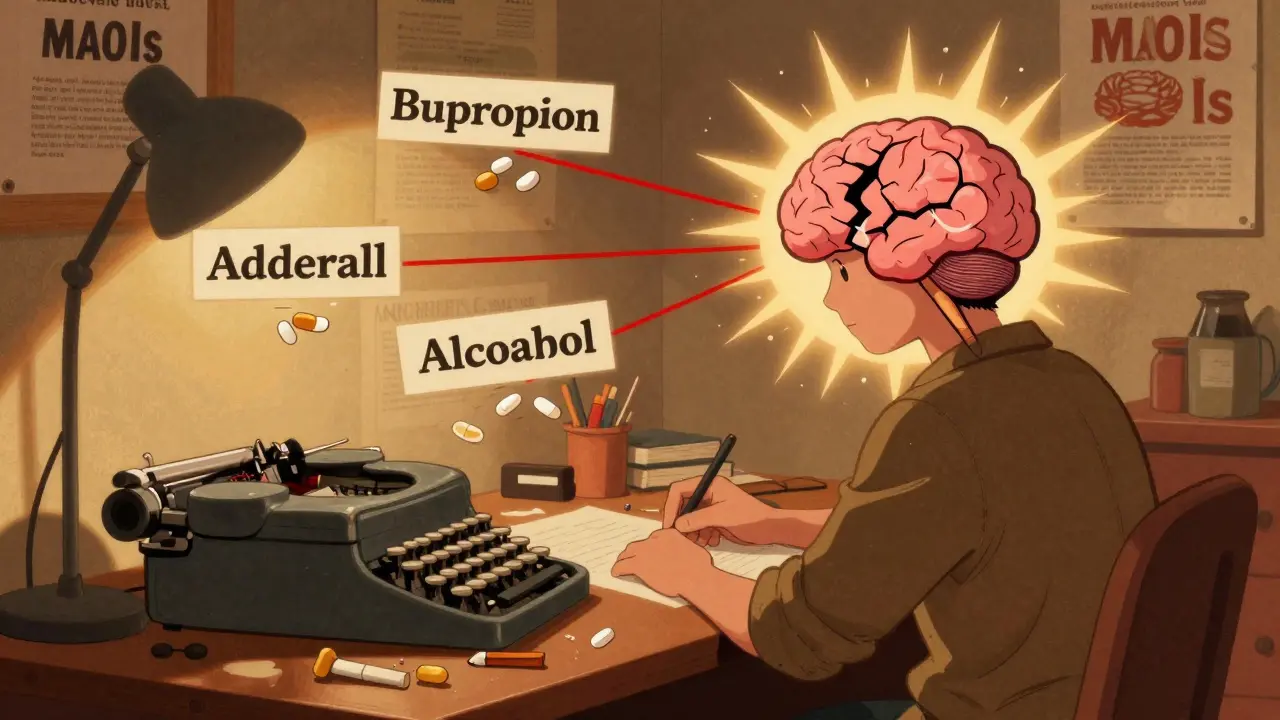
1. Monoamine Oxidase Inhibitors (MAOIs)
Never, ever take bupropion with MAOIs. These include drugs like phenelzine (Nardil), tranylcypromine (Parnate), or selegiline (Emsam). The combination can trigger a deadly spike in blood pressure, seizures, or serotonin syndrome.
You must wait at least 14 days after stopping an MAOI before starting bupropion. And if you’re switching the other way - from bupropion to an MAOI - wait 14 days after your last bupropion dose.
2. Varenicline (Chantix)
The FDA warns against combining bupropion and varenicline. While the EAGLES trial didn’t show major safety issues, the official guidance still says: don’t mix them. Both drugs affect brain chemistry in similar ways, and stacking them increases the risk of seizures, mood swings, or suicidal thoughts.
Most doctors choose one or the other. If you tried varenicline and it didn’t work, bupropion is a solid second option - and vice versa.
3. Other Antidepressants and Stimulants
Bupropion can raise the risk of seizures when taken with other drugs that lower the seizure threshold. This includes:
- SSRIs like fluoxetine (Prozac) or sertraline (Zoloft) - especially at high doses
- Stimulants like Adderall or methylphenidate (Ritalin)
- Antipsychotics like olanzapine or risperidone
If you’re on any of these, your doctor should check your seizure risk before prescribing bupropion.
4. Alcohol and Illicit Drugs
Heavy drinking increases seizure risk with bupropion. If you’ve been drinking heavily and suddenly quit, your brain becomes more sensitive - and bupropion can push you over the edge.
Using cocaine, methamphetamine, or other stimulants while on bupropion is extremely dangerous. The combination can cause heart rhythm problems, strokes, or sudden death.
Who Shouldn’t Take Bupropion
Bupropion isn’t for everyone. It’s absolutely contraindicated if you have:
- A history of seizures or epilepsy
- Anorexia or bulimia nervosa
- Current use of another bupropion product (like Wellbutrin)
- Allergy to bupropion or its ingredients
It’s also risky if you:
- Have liver disease - your body can’t clear the drug properly
- Have untreated high blood pressure
- Are under 18 - safety hasn’t been proven in teens
Even if you don’t have these, your doctor should screen you for a history of mental health issues. Bupropion can trigger anxiety, agitation, or suicidal thoughts in rare cases - especially in the first few weeks.
Side Effects You Need to Expect
Most side effects are mild and fade after a week or two. But some stick around.
The top three complaints from users:
- Insomnia - 24% of users. Fix: Take your second dose before 5 p.m.
- Dry mouth - 12%. Fix: Drink water, chew sugar-free gum.
- Headache - 9%. Fix: Usually goes away on its own.
Less common but serious: seizures (1 in 1,000), hallucinations, or manic episodes. If you feel unusually agitated, have racing thoughts, or feel like you’re losing touch with reality - call your doctor immediately.
On the positive side, many users report less weight gain than with other methods. One Reddit user wrote: "I didn’t gain 15 pounds like my sister did. That alone made it worth it."
How Bupropion Compares to Other Quit Aids
Here’s how bupropion stacks up:
| Medication | Mechanism | 6-Month Quit Rate | Common Side Effects | Cost (30-day supply) |
|---|---|---|---|---|
| Bupropion (Zyban) | Dopamine/norepinephrine reuptake inhibition | 19-23% | Insomnia, dry mouth, headache | $35 (generic) |
| Varenicline (Chantix) | Nicotinic receptor partial agonist | 19-22% | Nausea, vivid dreams, mood changes | $550 (brand) |
| Nicotine Patch | Delivers nicotine | 16-20% | Skin irritation, dizziness | $40-$80 |
| Nicotine Gum | Delivers nicotine | 17-21% | Jaw pain, hiccups | $50-$90 |
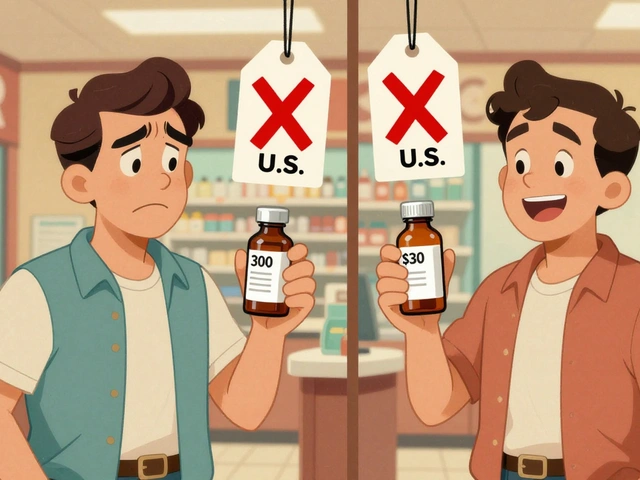
Bupropion wins on cost and side effect profile. It’s cheaper than varenicline by 90%. It causes less nausea than Chantix. And unlike nicotine products, it doesn’t keep you hooked on nicotine - even temporarily.
But it’s slower. If you need immediate relief from cravings, nicotine gum or patches are better at first. Bupropion works best when you’re committed to waiting.
What the Experts Say
Dr. Jed Rose from Duke University says bupropion’s dual action - blocking dopamine reuptake and nicotinic receptors - makes it unique. "It hits both the reward system and the habit trigger," he explains.
But Dr. Nancy Rigotti from Harvard warns: "The benefits stop when you stop taking it. It doesn’t rewire your brain permanently." That’s why counseling matters. Medication helps you get through the worst weeks - but you still need to learn new habits.
The CDC recommends pairing bupropion with behavioral support - like the Tips From Former Smokers program. Users who used both had 45% higher adherence rates.
What’s New in 2026?
There’s exciting progress:
- A new bupropion-nicotine patch combo was approved in 2023. It raised quit rates to 31% - better than either alone.
- Researchers are testing a new prodrug version of bupropion that may cut seizure risk by half.
- Genetic testing is becoming more common. People with the DRD2-141C Ins allele respond 2.3 times better to bupropion.
By 2028, experts predict bupropion will remain one of the top three smoking cessation drugs - not because it’s flashy, but because it’s affordable, effective, and safe for most people.
Final Thoughts
Bupropion is one of the most reliable tools we have for quitting smoking. But it’s not magic. It needs time. It needs the right dose. And most of all, it needs you to avoid dangerous drug combos.
If you’re considering bupropion, talk to your doctor. Bring your full medication list - even OTC drugs and supplements. Don’t skip the screening. Your brain is worth protecting.
And if you’ve tried before and quit because of insomnia or dry mouth? Stick with it. Most side effects fade. And the freedom from cigarettes? That lasts forever.
Can I take bupropion if I have anxiety?
Yes - but with caution. Bupropion is often used to treat anxiety in people with depression. However, if your anxiety is severe or you’ve had panic attacks, your doctor should monitor you closely in the first few weeks. Some people experience increased agitation or restlessness at first. This usually improves within 10-14 days.
Does bupropion help with vaping cessation?
Emerging evidence says yes. A 2024 study in the New England Journal of Medicine found bupropion doubled quit rates for e-cigarette users compared to placebo. It works the same way: reduces cravings and blocks the brain’s reward response to nicotine. Many clinicians now prescribe it for vaping cessation, especially in teens and young adults.
How long should I take bupropion for smoking cessation?
The standard course is 7-9 weeks. But if you’re still struggling after that, your doctor may extend it to 12 weeks. There’s no proven benefit beyond 12 weeks, and side effects may increase. Don’t stop suddenly - taper under medical supervision if needed.
Can I drink coffee while taking bupropion?
Moderate caffeine is fine - but don’t overdo it. Bupropion can increase the effects of caffeine, making you jittery or anxious. If you normally drink 4+ cups of coffee a day, cut back to 1-2 during the first few weeks. Switch to decaf if you notice trouble sleeping or heart palpitations.
What if bupropion doesn’t work for me?
You’re not alone. About 30-40% of people don’t respond to bupropion. That doesn’t mean you can’t quit. Try switching to varenicline, combining it with nicotine replacement, or using behavioral therapy. Some people need to try two or three methods before finding what works. Persistence matters more than the first attempt.


12 Comments
Mike Hammer
February 16, 2026 at 02:39
Bupropion saved my life. I tried patches, gum, the whole nine yards. Nothing stuck. Then I started this and within a week the cravings just... faded. Not gone, but quieter. Like a radio turned down low. I didn't even miss the ritual. Weird, right? Now I'm 11 months clean. No weight gain. No mood crashes. Just quiet freedom.
Betty Kirby
February 17, 2026 at 17:36
Let me be crystal clear: if you're on SSRIs and think bupropion is a 'safe' alternative, you're playing Russian roulette with your frontal lobe. I've seen three patients seize on this combo. One never woke up. This isn't a lifestyle tweak. It's a neurochemical grenade. Read the damn warnings.
Kaye Alcaraz
February 18, 2026 at 01:47
For anyone hesitating because of insomnia or dry mouth - I hear you. I had both. Took me three days to adjust. But the payoff? Waking up without that 6 a.m. cigarette craving? Worth every sleepless night. Keep the water bottle handy. Take the second dose before 4 p.m. You've got this.
Chiruvella Pardha Krishna
February 19, 2026 at 17:09
There is a metaphysical truth here: addiction is not a choice, but liberation is. Bupropion does not cure desire - it reorients the soul's compass. We are not fighting nicotine. We are fighting the illusion that we need it. The brain, once freed from its false gods, remembers its own silence. This is not pharmacology. This is alchemy.
Daniel Dover
February 21, 2026 at 06:51
19-23% quit rate? That’s not impressive. That’s barely better than placebo. Why not just use nicotine replacement? At least you’re not poisoning yourself with a drug that can kill you if you breathe wrong.
Josiah Demara
February 22, 2026 at 05:59
Let’s be real - the ‘dual action’ of bupropion is a marketing myth cooked up by Big Pharma. The real reason it works is because it’s a stimulant with a side of serotonin disruption. People quit because they’re too wired to sit still and smoke. Not because it ‘blocks receptors.’ That’s science fiction dressed in white coats.
Mandeep Singh
February 22, 2026 at 07:39
Anyone who says bupropion works for vaping? That’s laughable. Vaping is a behavioral addiction wrapped in a nicotine delivery system. You can’t chemically unhook someone who’s addicted to the ritual, the cloud, the social status. This drug only works on people who are already ready to quit - and those people don’t need drugs. They need a kick in the ass.
Sarah Barrett
February 23, 2026 at 14:00
Interesting how the article mentions the 2023 combo patch. I wonder if that’s been tested on adolescents. The data on teens using bupropion is still thin. And with rising youth vaping rates, we can’t afford to assume adult protocols work the same. More research needed - not just for efficacy, but for developmental safety.
Esha Pathak
February 25, 2026 at 11:22
So many people miss the point. Bupropion isn’t about quitting smoking. It’s about reclaiming your nervous system. The dry mouth? That’s your body saying ‘I’m not drowning in toxins anymore.’ The insomnia? Your brain rewiring from dopamine dependence. It’s not side effects - it’s signs of healing. I cried the first time I walked past a smoker without craving. That’s the real win.
Michael Page
February 25, 2026 at 13:50
Reading this, I realize how little we understand about addiction. We treat it like a broken circuit. But what if it’s a corrupted memory? What if bupropion doesn’t block receptors - it just gives the brain time to forget? Maybe the real miracle isn’t the drug. It’s the quiet, unmonitored space we create for the self to relearn itself.
Erica Banatao Darilag
February 25, 2026 at 14:31
i just wanted to say i tried this last year and it worked but i had to stop because of a bad headache and i didnt know it was normal so i quit the med and went back to smokin. now im trying again. thanks for the info about taking the second dose before 5. i think that might help. also i drink coffee so i cut back. small things matter.
Joe Grushkin
February 25, 2026 at 18:55
Let me guess - this was written by a rep from GlaxoSmithKline. ‘Affordable’? Generic bupropion costs $35? Try living in a state without Medicaid expansion. Meanwhile, varenicline is $550? That’s a scam. This isn’t medicine. It’s a class war disguised as a public health guide. The real solution? Tax cigarettes into oblivion and fund real behavioral therapy. Not pills for the poor.