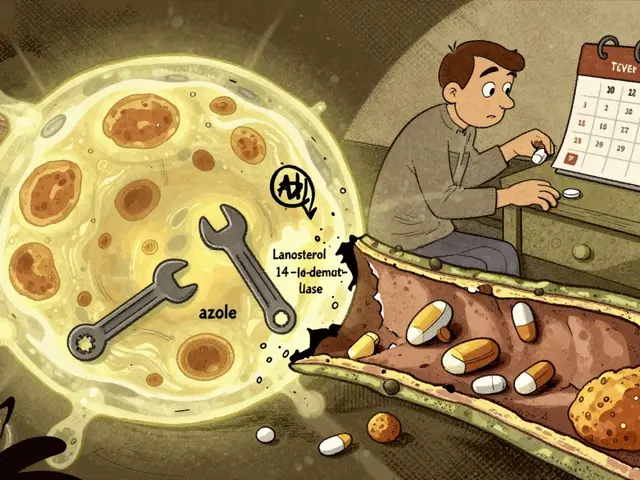
Drug Reactions: What They Are, When to Worry, and How to Stay Safe
When your body responds badly to a medication, that’s a drug reaction, an unintended and harmful response to a medicine. Also known as an adverse drug reaction, it’s not always an allergy — but it can be just as dangerous. These reactions range from a harmless rash to sudden trouble breathing, liver damage, or even death. And they’re more common than most people realize. The FDA gets over 100,000 reports every year of serious reactions tied to prescription drugs — and that’s just what gets reported.
Not every bad reaction means you’re allergic. A drug allergy, a specific immune system response to a medication — like hives, swelling, or anaphylaxis after penicillin — is one type. But other reactions, like severe joint pain from a diabetes drug or a spike in INR from an antibiotic, are side effects, not allergies. Still, they matter just as much. That’s why knowing the difference helps you avoid unnecessary treatment delays. For example, if you had a reaction to one antibiotic, you might not need to avoid the whole family — unless there’s clear cross-reactivity, when a similar chemical structure causes the same reaction across different drugs. Many people are wrongly labeled allergic because a past reaction was misdiagnosed, and that keeps them from getting the best care.
Some drugs are riskier than others. Blood thinners like warfarin, thyroid meds like levothyroxine, and seizure drugs like phenytoin are especially tricky. Even small changes in the generic version can throw off your dose and cause serious problems. That’s why doctors sometimes adjust your dose after switching — not because generics are unsafe, but because these drugs have a narrow therapeutic index. A tiny difference in how your body absorbs the medicine can mean the difference between control and crisis. And don’t forget hidden triggers: licorice, herbal supplements, or even grapefruit juice can mess with how your meds work. One study found that over 40% of older adults on multiple prescriptions had at least one dangerous interaction they didn’t know about.
What you do after a reaction matters more than the reaction itself. Did you report it? Did your doctor update your chart? Are your other providers aware? Too often, a reaction gets noted once and forgotten — until the next time you’re prescribed something similar. That’s why reading your medication guide, asking your pharmacist about side effects, and keeping a personal drug log can save your life. You don’t need to be a medical expert to spot warning signs: unexplained bruising, sudden swelling, unusual fatigue, or a rash that spreads fast. If something feels wrong after starting a new pill, don’t wait. Call your doctor. Write it down. Be specific.
Below, you’ll find real stories and practical guides from people who’ve been there — from understanding why your INR spiked after taking Bactrim, to learning when to avoid a whole class of drugs after a severe reaction, to spotting the hidden dangers in expired meds. These aren’t theory pieces. They’re tools. Use them to ask smarter questions, spot red flags early, and take back control of your treatment.
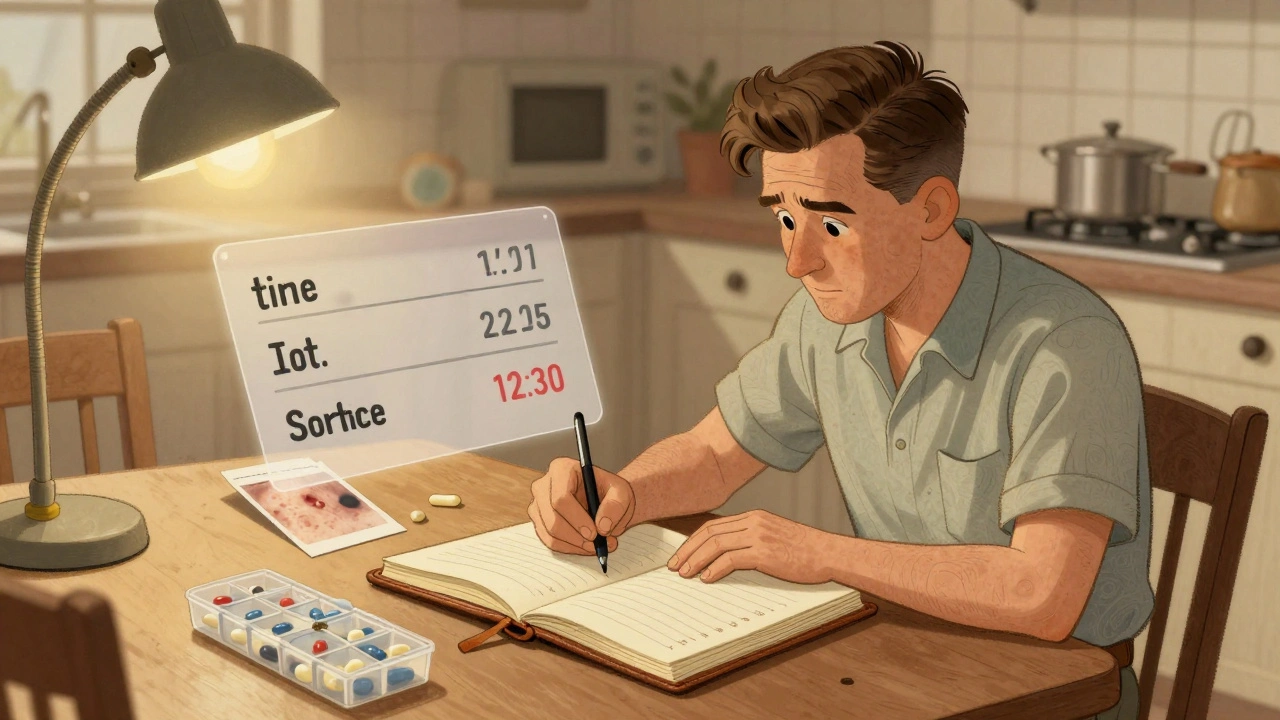
How to Keep a Symptom Diary for Suspected Drug Reactions
Learn how to track medication side effects with a symptom diary to help doctors identify drug reactions faster. Includes what to record, best tools, and red flags to watch for.
Read MoreLatest Post
-
-
-

How Atrophic Gastroenteritis Links to Chronic Fatigue Syndrome 22 September 2025
-

-