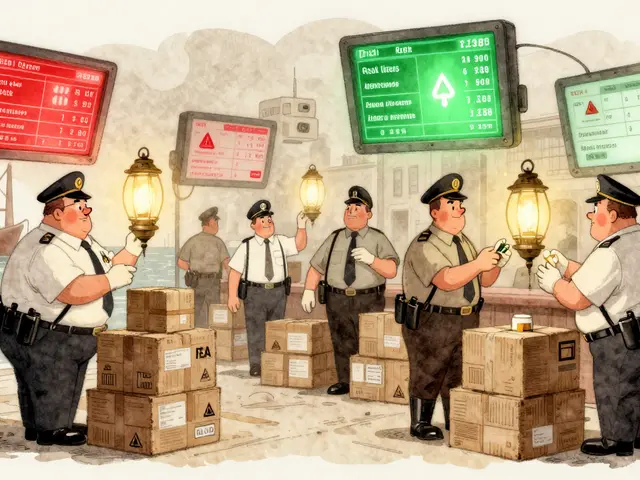
Environmental Monitoring: Tracking Pollution, Health Risks, and How It Affects Your Medications
When we talk about environmental monitoring, the systematic tracking of pollutants in air, water, and soil to protect public health. Also known as ecological surveillance, it’s not just about clean air reports or government data—it’s about how the world around you directly impacts your body, your medications, and your long-term health. Think about it: if the air you breathe is full of fine particles, or your tap water contains trace pharmaceuticals or heavy metals, your body is under constant low-grade stress. That stress doesn’t just make you feel worse—it can change how your drugs work.
Air pollution, a major focus of environmental monitoring, includes ozone, nitrogen dioxide, and PM2.5 particles from traffic, factories, and wildfires. Studies show these pollutants worsen asthma, heart disease, and even depression. But here’s the less talked about part: they can also interfere with how your liver breaks down medications. If you’re on blood pressure pills, antidepressants, or diabetes drugs, polluted air might make them less effective—or increase side effects. The same goes for water contamination, including traces of antibiotics, hormones, and industrial chemicals leaching into drinking supplies. These aren’t just environmental issues—they’re drug interaction risks you can’t see.
Public health, the field that connects environmental data to real-world medical outcomes. uses environmental monitoring to spot trends: higher asthma hospitalizations in certain zip codes, spikes in kidney disease near industrial zones, or unexpected drug resistance in communities with poor water quality. This isn’t abstract science—it’s why some people on the same medication feel different side effects than others. Your environment plays a silent, powerful role.
You won’t find environmental monitoring on your prescription label. But if you’re managing a chronic condition—diabetes, heart disease, mental health—you’re already living with its consequences. The posts below show how pollution, drug safety, and health outcomes are linked. You’ll see how expired insulin loses potency faster in hot climates, why certain antibiotics become risky near contaminated water, and how patient advocacy helped force changes in how we test drugs for environmental impact. These aren’t random stories. They’re pieces of a bigger picture: your health doesn’t live in a vacuum. It lives in the air you breathe, the water you drink, and the world that’s been shaped by decades of unchecked pollution. What you learn here might not change the environment overnight—but it can help you protect yourself, your meds, and your body from what’s already out there.
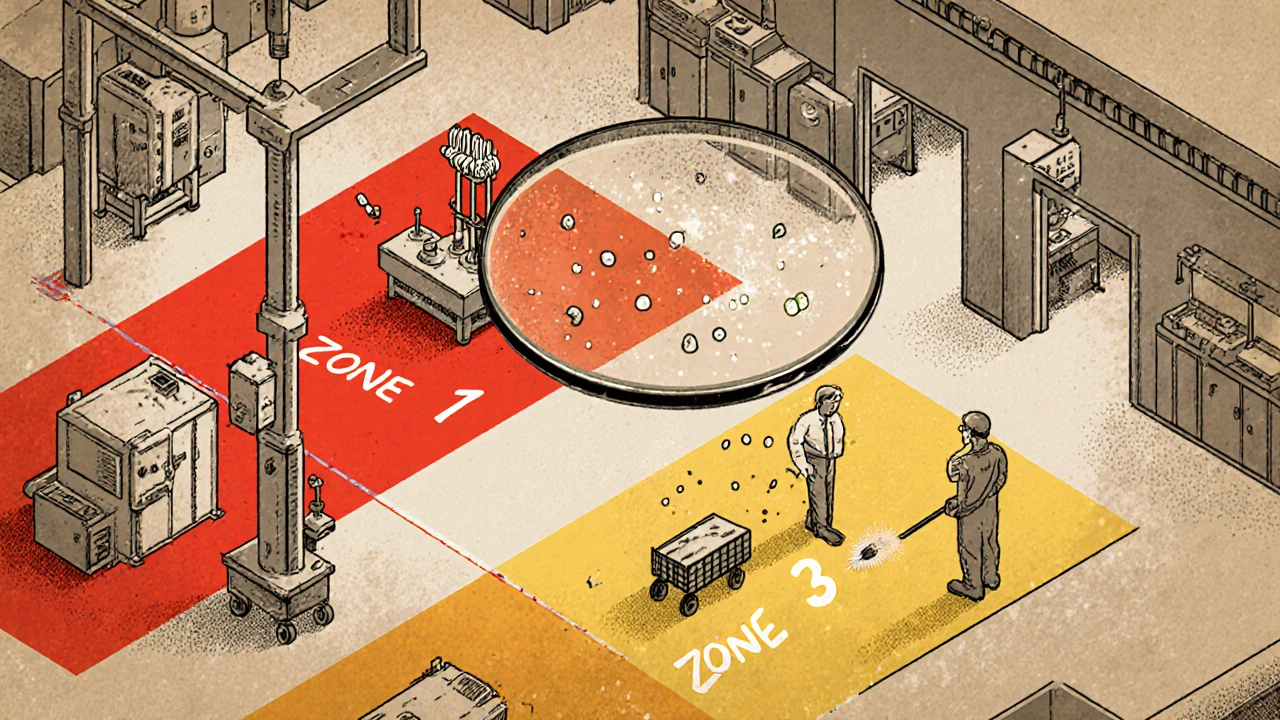
Environmental Monitoring: Testing Facilities for Contamination in Manufacturing
Environmental monitoring in manufacturing detects contamination in air, surfaces, and water before it affects products. Learn how zone-based testing, ATP swabs, and regulatory standards prevent recalls and ensure safety in pharma, food, and cosmetics.
Read MoreLatest Post
-
Antiviral Medications: Treatment Options for Viral Infections 18 December 2025
-

-
-
-