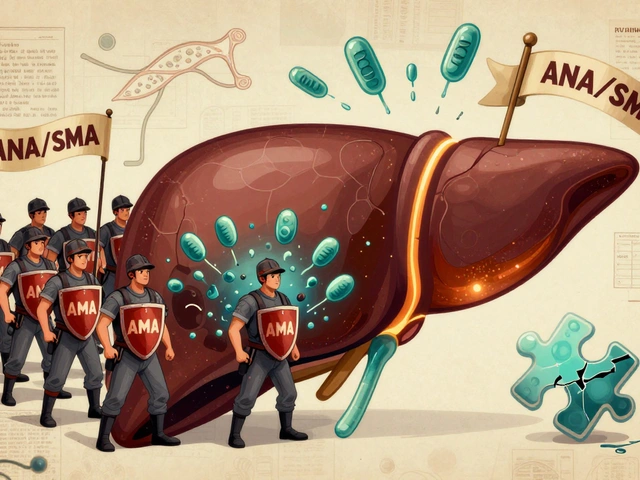
Generic Medication Dose Adjustment: When and Why It Matters
When you switch from a brand-name drug to a generic, you expect the same results—same relief, same side effects, same safety. But for some medications, even tiny differences in how the body absorbs the drug can cause serious problems. This is where generic medication dose adjustment, the process of changing the amount of a generic drug based on how your body responds after a switch becomes critical. It’s not about quality—it’s about bioequivalence. For most drugs, generics work just fine. But for NTI drugs, narrow therapeutic index drugs where the difference between a helpful dose and a harmful one is very small, like warfarin, levothyroxine, and phenytoin, even a 5% change in absorption can lead to blood clots, seizures, or thyroid crashes.
Why does this happen? Generic drugs must meet FDA standards, but they can use different fillers, coatings, or manufacturing methods. These changes affect how fast or how well your body takes in the medicine. For someone on levothyroxine, a thyroid hormone replacement used for hypothyroidism, a slight drop in absorption can mean fatigue, weight gain, or depression. For someone on warfarin, a blood thinner that requires precise dosing to prevent strokes or dangerous bleeding, the same switch might send INR levels soaring or crashing. And it’s not just these two—immunosuppressant drug interactions, how transplant medications like tacrolimus or cyclosporine react with other drugs or even food, can also shift after a generic switch, putting organ recipients at risk of rejection or toxicity.
You don’t need to avoid generics. But you do need to be aware. If you’re on one of these high-risk meds, don’t assume your doctor will catch every switch. Ask if your pharmacy changed your pill. Check your blood levels after a switch. Keep a log of how you feel. Most people switch generics without issue—but for those who don’t, the consequences can be life-changing. The posts below cover real cases, warning signs, and what to do when your insurance pushes a generic that doesn’t fit. You’ll find guides on how to spot when a dose change is needed, how to appeal a denied coverage, and why some meds should never be swapped without monitoring. This isn’t theory. It’s about keeping you safe when the system assumes all pills are the same.
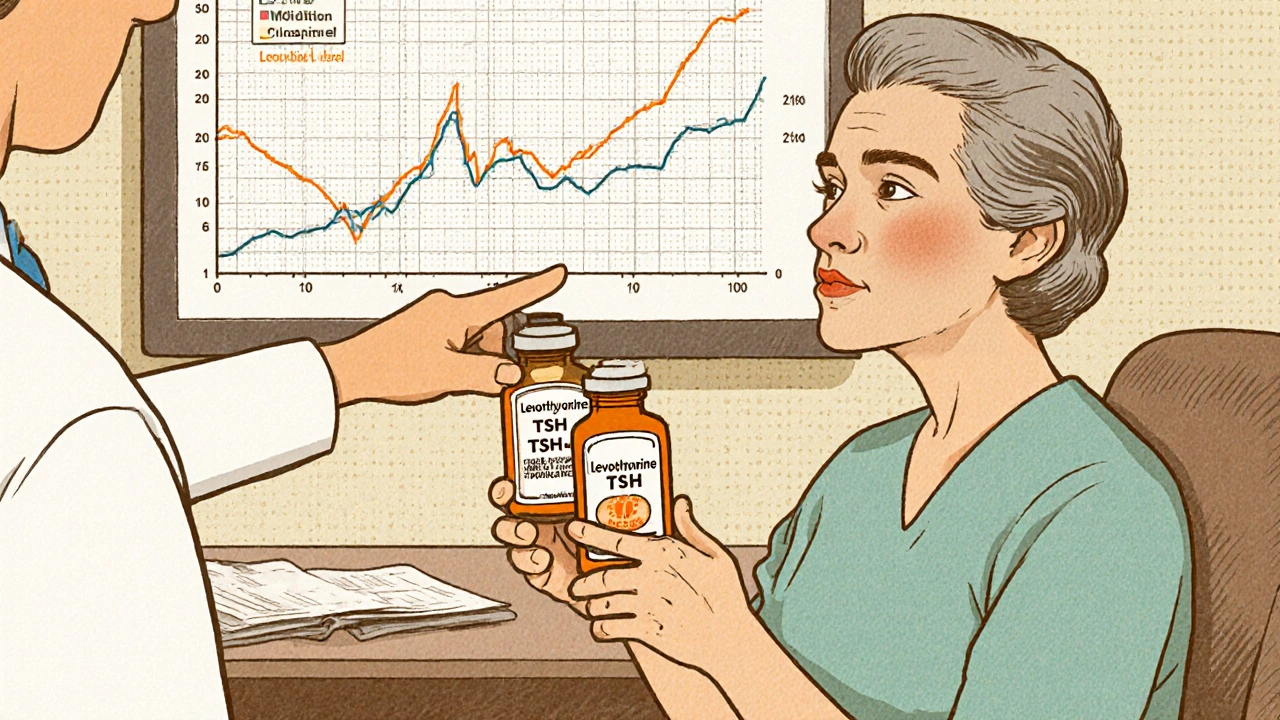
When Doctors Adjust Doses After Switching to Generic Medications
Switching to generic medications can be safe-but not for all drugs. For narrow therapeutic index drugs like levothyroxine and warfarin, even small changes in formulation can require dose adjustments. Here’s what you need to know.
Read MoreLatest Post
-

Harness the Potent Benefits of DMSO for Your Health 14 March 2025
-
-
The importance of self-care during sickness 2 August 2023
-

-