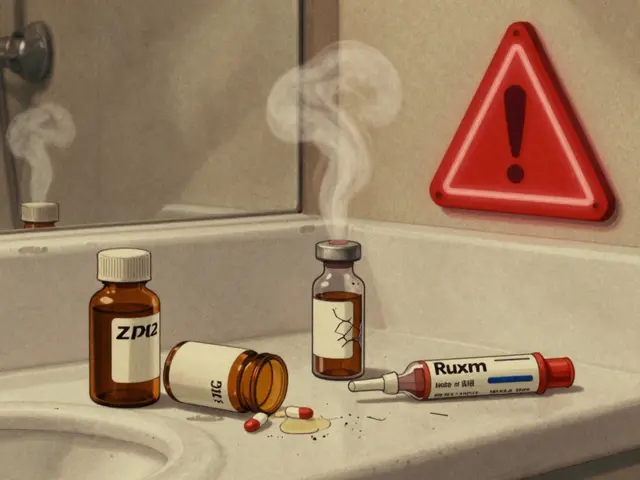
Immunosuppression: What It Is, Why It Matters, and How Drugs Affect Your Body
When your body’s immune system goes too far, it can attack healthy tissue — like a new organ. That’s where immunosuppression, the intentional weakening of the immune system to prevent rejection or autoimmune damage. Also known as immune suppression, it’s a lifeline for people with transplants, autoimmune diseases, or severe inflammatory conditions. But this isn’t a simple off-switch. immunosuppressant drugs, medications that reduce immune activity to prevent organ rejection or control autoimmune flare-ups like tacrolimus, mycophenolate, and corticosteroids don’t just calm the immune system — they change how your whole body responds to infection, healing, and even other medicines.
These drugs are powerful, but they come with trade-offs. Taking them means your body can’t fight off bugs the way it used to. A cold might turn into pneumonia. A small cut could get infected. And because these drugs affect liver enzymes, they often clash with other medications — think blood pressure pills, antibiotics, or even common supplements like licorice. That’s why drug interactions after transplant, dangerous overlaps between immunosuppressants and other drugs that can cause toxicity or reduce effectiveness are one of the biggest concerns for patients. Even something as simple as switching to a different generic version of your immunosuppressant can throw off your dose, especially since these are NTI drugs — narrow therapeutic index medications where tiny changes make big differences.
It’s not just about avoiding sickness. Long-term use of these drugs can lead to kidney damage, high blood pressure, diabetes, or even certain cancers. That’s why monitoring isn’t optional — it’s daily. Blood tests, symptom tracking, and open conversations with your care team are part of the routine. But here’s the thing: most people don’t realize how much their lifestyle, diet, or other meds can interfere. That’s why this collection dives into real-world issues: how transplant patients manage side effects, why some generics require dose changes, what happens when insurance denies coverage, and how to spot dangerous interactions before they cause harm. You won’t find fluff here — just straight talk on what works, what doesn’t, and what you need to ask your doctor next time you refill your prescription.
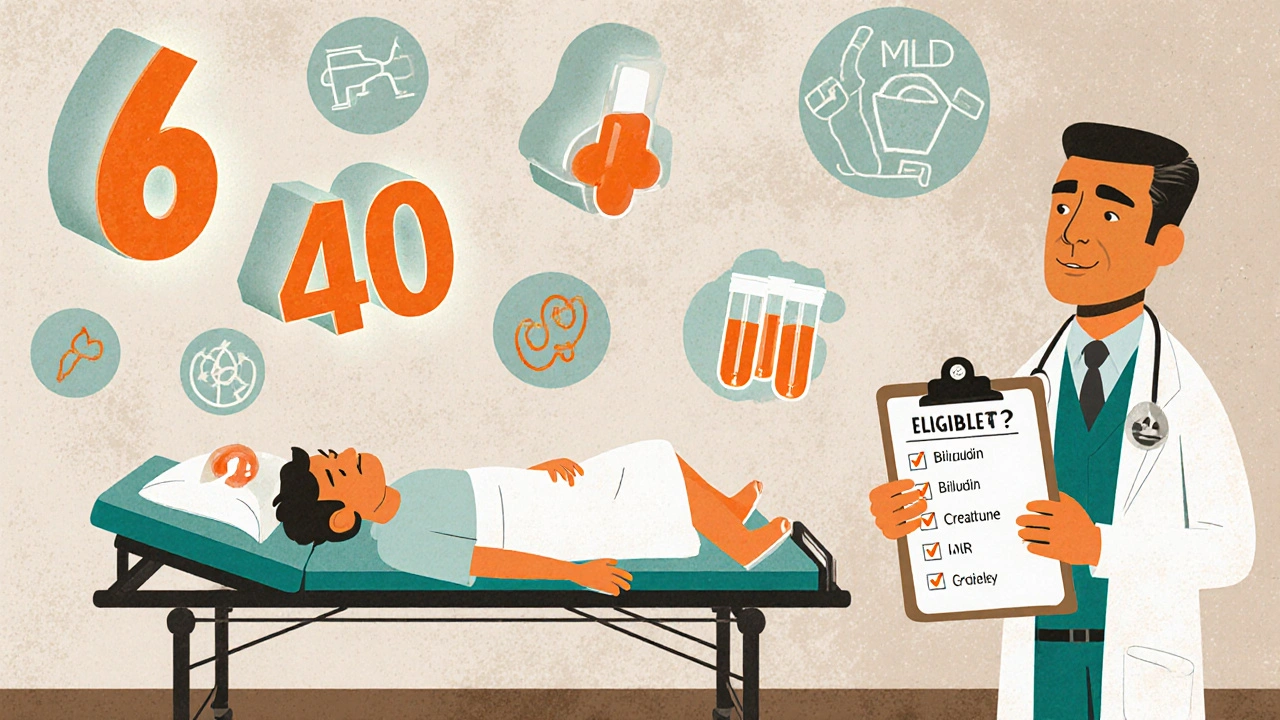
Liver Transplantation: Eligibility, Surgery, and Immunosuppression Explained
A comprehensive guide to liver transplantation, covering eligibility criteria, surgical procedures, and lifelong immunosuppression needs. Learn how MELD scores, donor types, and medication regimens impact survival and quality of life.
Read MoreLatest Post
-

How Desonide is Changing the Landscape of Topical Steroid Treatments 20 February 2025
-

Dramamine vs Alternatives: Which Motion Sickness Remedy Is Best? 20 October 2025
-
-

Valacyclovir Overdose: Symptoms and What to Do 2 June 2023
-