
Medical Statistics: What They Really Mean for Your Health Decisions
When you hear medical statistics, quantitative data used to track health outcomes, drug effects, and disease patterns across populations. Also known as health data, it’s not just numbers on a page—it’s what tells doctors which drugs work, which are dangerous, and who needs help most. These numbers don’t exist in a lab. They come from real people—mothers with postpartum anxiety, transplant patients on tacrolimus, diabetics on DPP-4 inhibitors—and they’re the reason you get warning labels on your prescriptions.
Medical statistics drive decisions you can’t see. They’re why the FDA requires Medication Guides for drugs like insulin or epinephrine—because data showed people were dying from expired or misused doses. They’re why HBV screening is now standard before chemotherapy: studies found nearly 20% of at-risk patients had reactivation without it. And they’re why licorice is listed as a dangerous interaction with blood pressure meds—small daily doses were shown to drop potassium levels enough to cause heart rhythm problems. These aren’t guesses. They’re patterns found in thousands of patient records, clinical trials, and pharmacy reports.
But here’s the catch: drug safety data, information collected to identify side effects, interactions, and long-term risks of medications often lags behind real-world use. That’s why patient reports matter. When people started reporting severe joint pain on Januvia, the FDA reviewed thousands of cases and issued a warning. When activists pushed for access to zidovudine, data on survival rates changed how HIV treatment was rolled out globally. public health data, aggregated information used to guide population-level care, policy, and resource allocation doesn’t just come from hospitals—it comes from you. Your experience, your side effects, your questions at the pharmacy—they all feed into the next round of statistics.
What you’ll find below isn’t a list of studies. It’s a collection of real stories behind the numbers. You’ll learn how to read the fine print on your prescription label, why dose verification saves lives, how environmental monitoring keeps your meds safe from contamination, and when it’s okay to ignore an old allergy label. These aren’t abstract concepts. They’re tools built from medical statistics—and now, they’re in your hands.
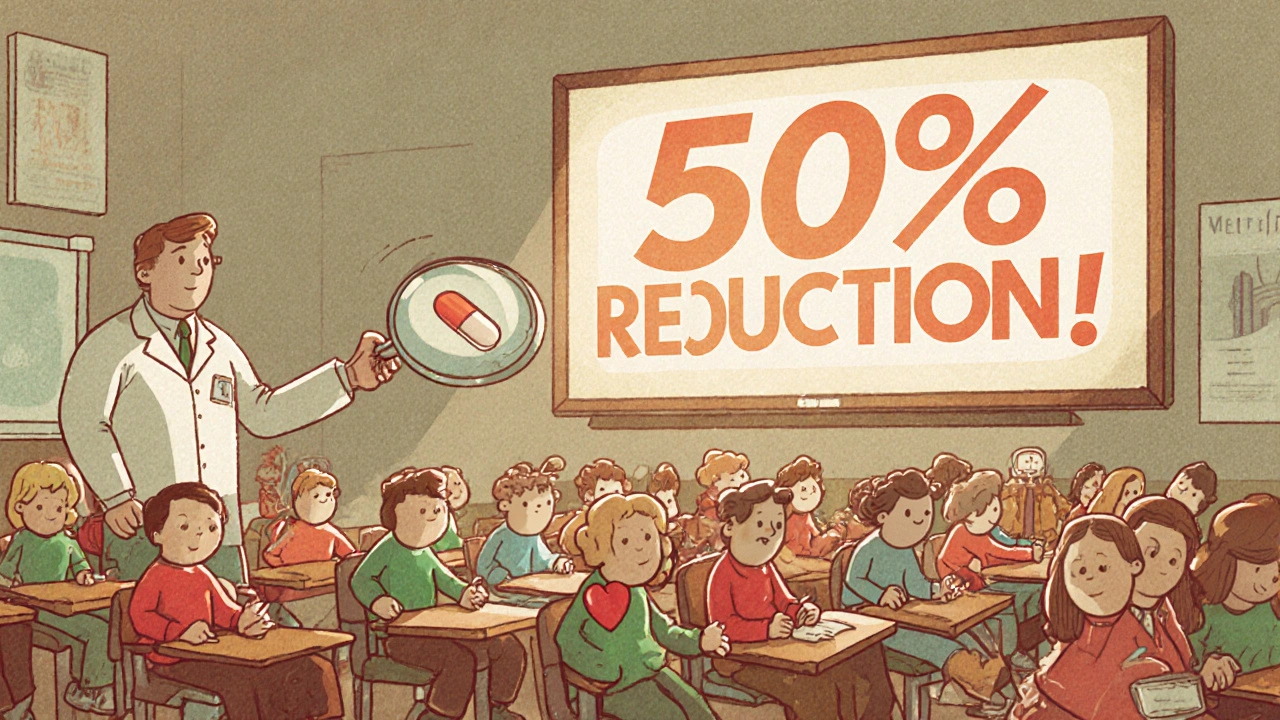
Absolute Risk vs Relative Risk in Drug Side Effects: How to Interpret the Numbers
Learn how to read drug risk numbers correctly by understanding the difference between absolute and relative risk. Stop being misled by pharmaceutical ads and make smarter decisions about your health.
Read MoreLatest Post
-
-

-
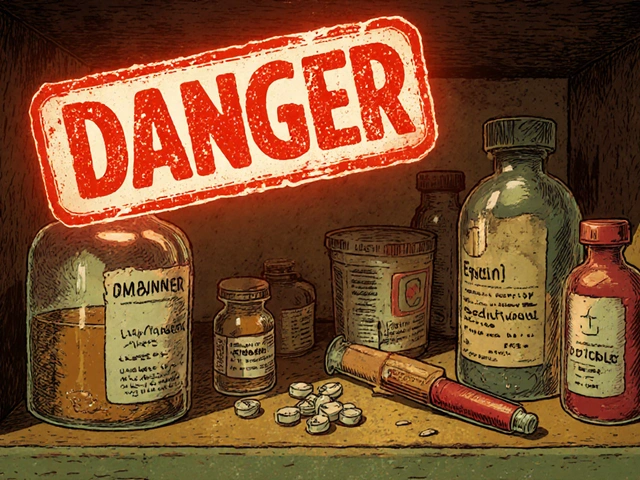
Medications You Should Never Use After the Expiration Date 19 November 2025
-

-
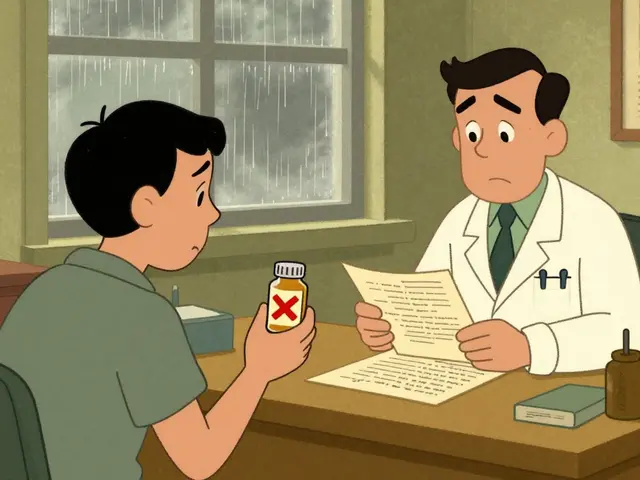
How to Fight Insurance Denials When a Generic Medication Fails 4 February 2026