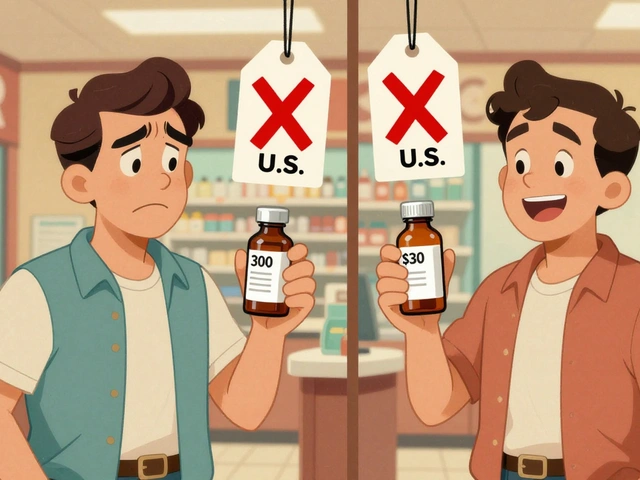
Medication Family Avoidance: Know Which Drugs to Skip and Why
When you take a new medicine, you’re not just adding one drug to your body—you’re stepping into a web of medication family avoidance, the practice of steering clear of drug groups that interact dangerously with each other. Also known as drug family contraindications, it’s not about avoiding all meds—it’s about knowing which ones shouldn’t mix. Think of it like a traffic light: some drugs run green together, others flash red and could cause a crash. This isn’t theoretical. People end up in the ER every year because they didn’t realize their blood pressure pill and that herbal supplement they started were from the same family and canceled each other out—or made things worse.
One of the biggest blind spots is drug interactions, when two or more medications affect each other’s action in the body. For example, DPP-4 inhibitors like Januvia can cause severe joint pain, and if you’re also taking NSAIDs for that pain, you’re stacking risks without knowing it. Then there’s high-alert drugs, medications with a high risk of causing serious harm if misused. These include insulin, blood thinners, and certain epilepsy meds. Mixing them without checking family ties can lead to overdose, organ damage, or even death. Even something as simple as licorice candy can interfere with blood pressure meds because it acts like a diuretic, pulling potassium out of your system and making your meds less effective.
It’s not just about pills. Supplements, herbs, and even food can belong to a drug family. Licorice, for instance, isn’t a drug—but its active ingredient, glycyrrhizin, behaves like one. Same with St. John’s Wort, which can knock out antidepressants and birth control. You don’t need to memorize every drug name. You need to learn the patterns: if one drug in a family causes side effects or interactions, others in that group likely will too. That’s why checking your prescriptions against known families matters more than ever. Hospitals use double-check protocols for a reason. You should too.
What you’ll find below are real stories from people who learned the hard way. One person’s joint pain turned out to be a DPP-4 inhibitor reaction. Another’s blood pressure spiked because of daily licorice tea. Someone else avoided liver failure by asking about hepatitis B screening before starting biologics. These aren’t rare cases. They’re common mistakes made because no one explained the family connections. The posts here don’t just list drugs—they show you how to spot dangerous groups, what questions to ask your pharmacist, and how to avoid the traps most people never see coming.
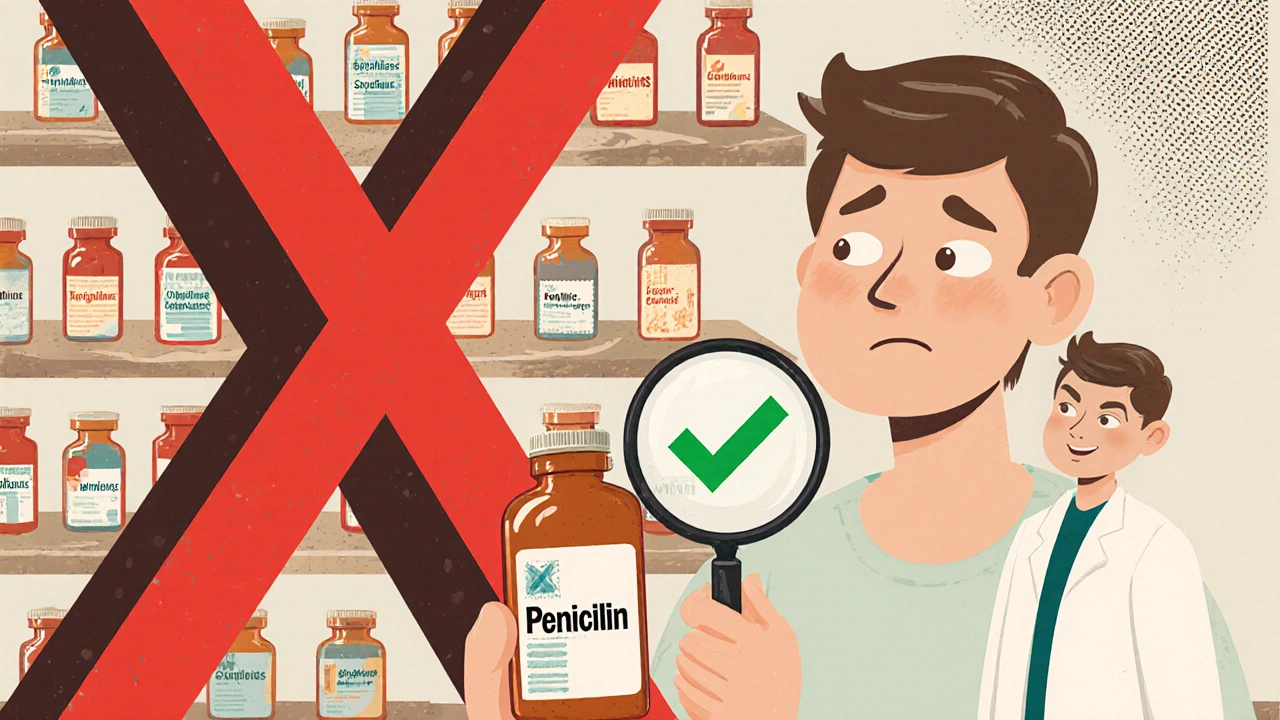
When to Avoid a Medication Family After a Severe Drug Reaction
Not every severe drug reaction means avoiding an entire medication family. Learn when cross-reactivity is real, when it's not, and how to avoid unnecessary treatment delays due to outdated allergy labels.
Read MoreLatest Post
-
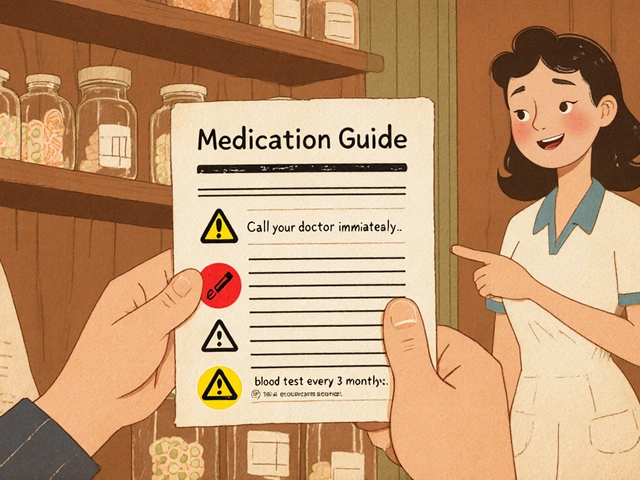
How to Read Medication Guides for Risk and Monitoring Advice 22 November 2025
-

-
-
-