
Medication Risk: Understand Side Effects, Interactions, and How to Stay Safe
When you take a medication risk, the potential for harm from a drug, including side effects, dangerous interactions, or incorrect dosing. Also known as adverse drug effect, it's not just a footnote on the pill bottle—it's something that can change your life overnight. Most people think medication risk means nausea or dizziness. But the real dangers are quieter: a common antibiotic raising your blood thinner levels, a generic switch triggering seizures, or an expired inhaler failing when you need it most. These aren’t rare cases. They happen every day because the system doesn’t teach you how to ask the right questions.
Drug interactions, when two or more medications affect each other’s behavior in your body are one of the biggest hidden threats. Take warfarin and Bactrim together? Your INR can spike, and you could bleed internally without warning. Licorice in your tea? It can undo your blood pressure meds by draining potassium. Even something as simple as switching from one generic levothyroxine to another can throw off your thyroid levels—because not all generics are created equal. These aren’t theoretical risks. They’re documented, preventable, and often missed by doctors who assume patients know what to watch for.
Side effects, unintended physical or mental changes caused by a medication are often buried in fine print. But the FDA requires drug manufacturers to list serious ones in Medication Guides—guides most patients never read. DPP-4 inhibitors like Januvia can cause crippling joint pain. Antidepressants might trigger impulse control disorders. And some drugs, like insulin or epinephrine, don’t just lose strength after expiration—they become dangerous. Knowing how to read these guides, track symptoms in a diary, or recognize red flags like sudden confusion or swelling can stop a hospital visit before it starts.
Medication risk isn’t about being afraid of pills. It’s about knowing when to push back. When your insurance denies a generic you’ve been on for years. When your pharmacist says, "It’s the same thing," but you feel different. When a new prescription comes with a 10-page warning sheet and no one explains it. The posts below give you the exact tools to take control: how to spot dangerous interactions, how to ask your pharmacist the right questions, how to read your prescription label like a pro, and when to demand a dose check after switching generics. You’ll find real stories from people who nearly lost their lives because no one told them about the risks—and how they learned to protect themselves. This isn’t fearmongering. It’s survival knowledge, written in plain language, for anyone who takes medicine.
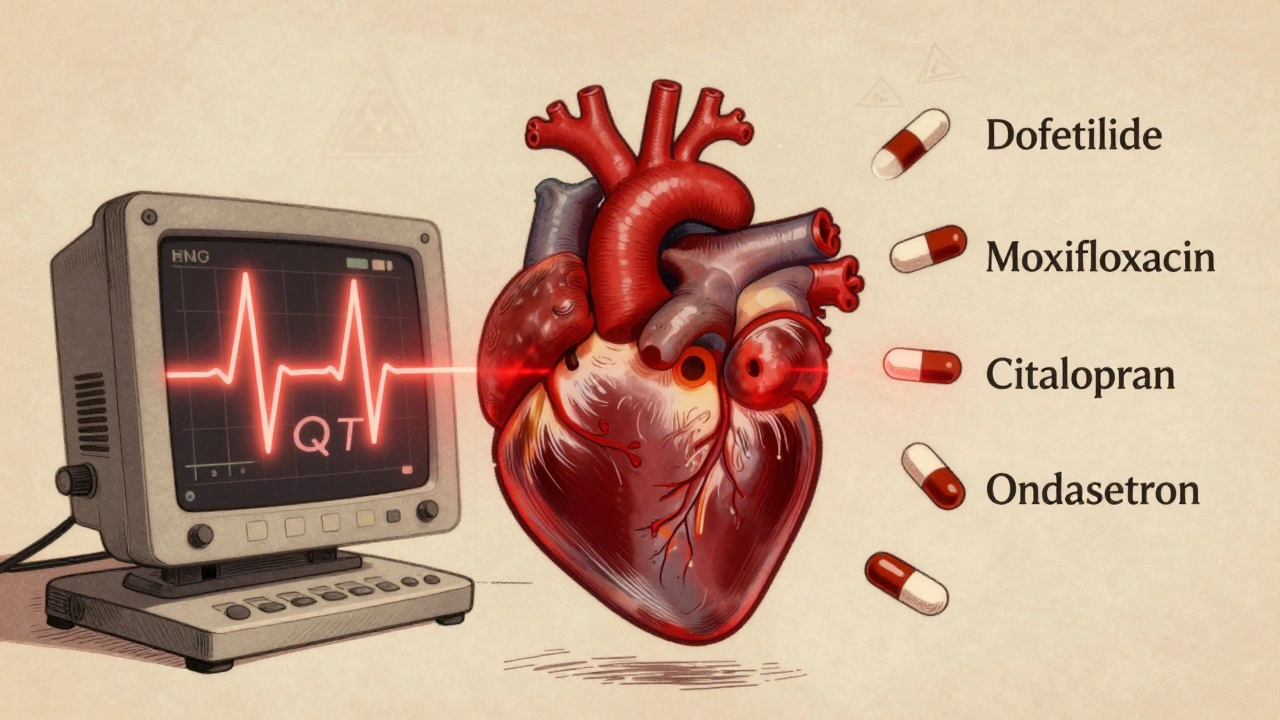
QT Prolongation and Sudden Cardiac Death from Medications: Key Risk Factors You Need to Know
QT prolongation from medications can lead to sudden cardiac death. Learn the key risk factors-including drug combos, electrolyte imbalances, and heart disease-that make this silent threat deadly-and how to prevent it.
Read MoreLatest Post
-

-
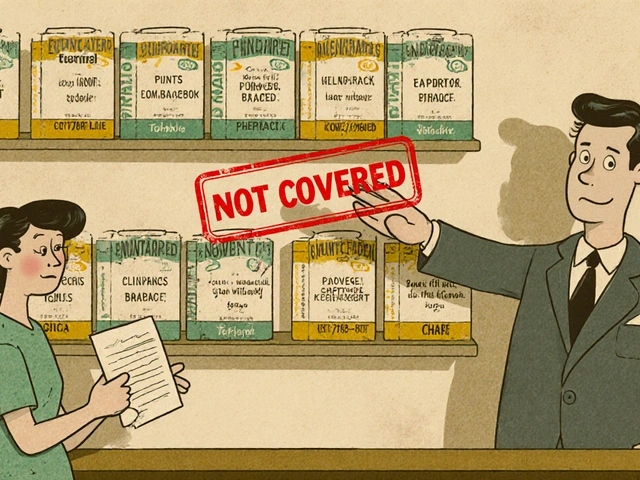
Non-formulary generics: what to do when coverage is denied 26 November 2025
-
-
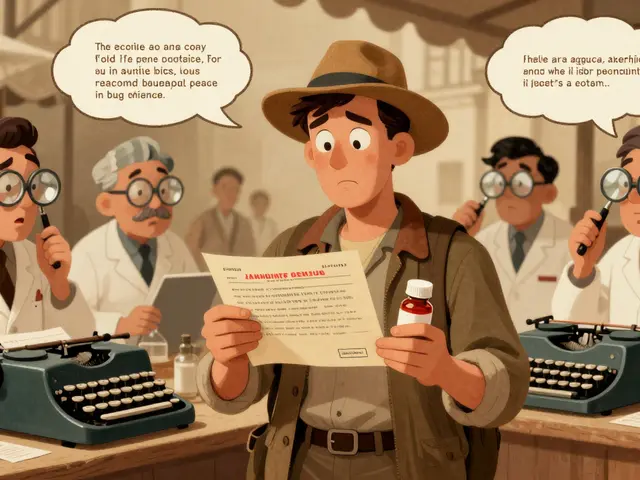
How to Replace Lost or Stolen Medications While Abroad 25 February 2026
-
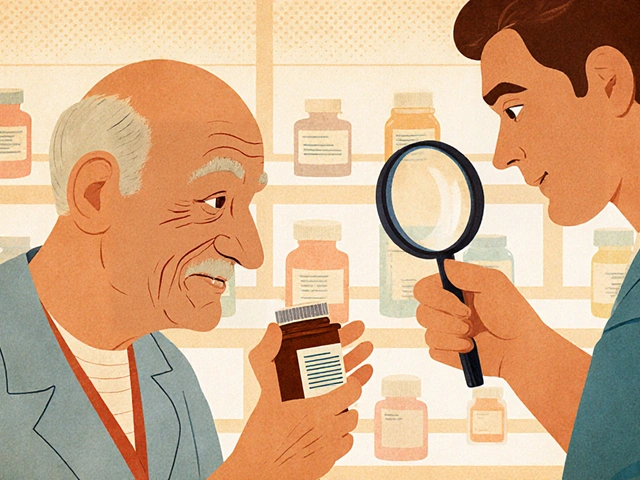
Questions to Ask About Your Prescription Label at the Pharmacy 17 November 2025