Organ Transplant Medications: What You Need to Know About Rejection Prevention and Side Effects
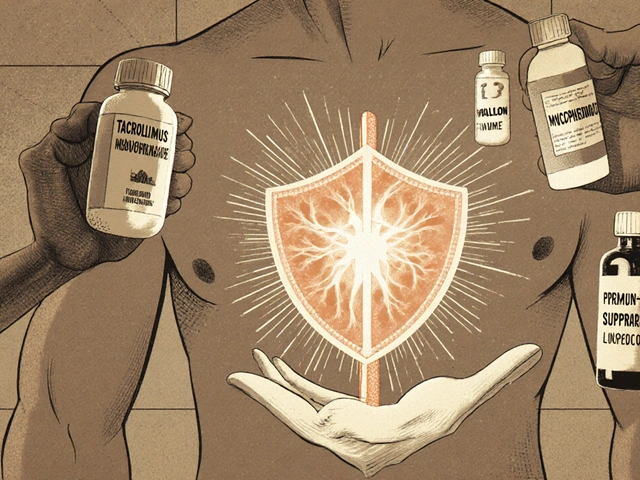
When you get a new organ, your body doesn’t know it’s supposed to accept it. That’s where organ transplant medications, drugs that suppress the immune system to prevent the body from attacking a transplanted organ. Also known as immunosuppressants, they are the reason transplant patients survive for years instead of days. Without them, even a perfectly matched kidney, liver, or heart would be seen as an invader and destroyed.
These drugs don’t just stop rejection—they come with trade-offs. cyclosporine, a cornerstone transplant drug since the 1980s that blocks immune cells from activating, can damage kidneys over time. tacrolimus, a more modern alternative often preferred for its stronger rejection control, raises your risk of diabetes and tremors. You can’t avoid these side effects entirely, but knowing them helps you spot trouble early. That’s why regular blood tests, doctor visits, and tracking symptoms like unexplained fever, swelling, or fatigue aren’t optional—they’re life-saving.
Many people think once the transplant works, they’re safe. But the real work starts after surgery. These medications require daily discipline. Missing a dose—even once—can trigger rejection. And they don’t play nice with other drugs. Things like grapefruit juice, common antibiotics, or even over-the-counter painkillers can change how your body handles them. That’s why every pharmacy visit, every new prescription, and every supplement you consider needs to be reviewed by your transplant team. You’re not just taking pills—you’re managing a delicate balance between survival and safety.
The posts below give you real, practical insights into how these drugs work, what to watch for, and how to avoid common mistakes. You’ll find guides on spotting hidden dangers, understanding test results, and making smart choices when side effects hit. Whether you’re a patient, caregiver, or just trying to understand what happens after a transplant, this collection cuts through the noise and gives you what actually matters.
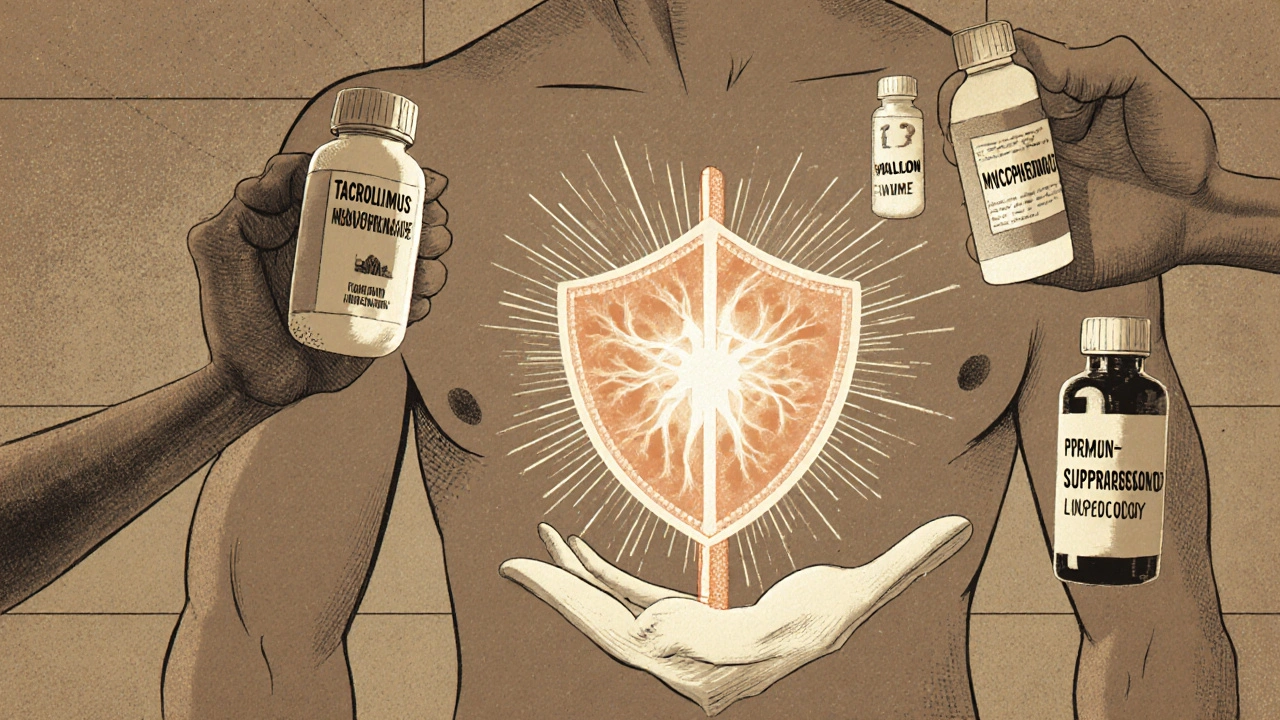
Organ Transplant Recipients: Immunosuppressant Drug Interactions and Side Effects
Organ transplant recipients must take lifelong immunosuppressant drugs to prevent rejection, but these medications carry serious side effects and dangerous drug interactions. Learn how tacrolimus, mycophenolate, and steroids impact health, what to watch for, and how modern protocols are improving outcomes.
Read MoreLatest Post
-

-
-

Naloxone Readiness Plan: How to Keep Patients Safe on Opioids 8 December 2025
-

-