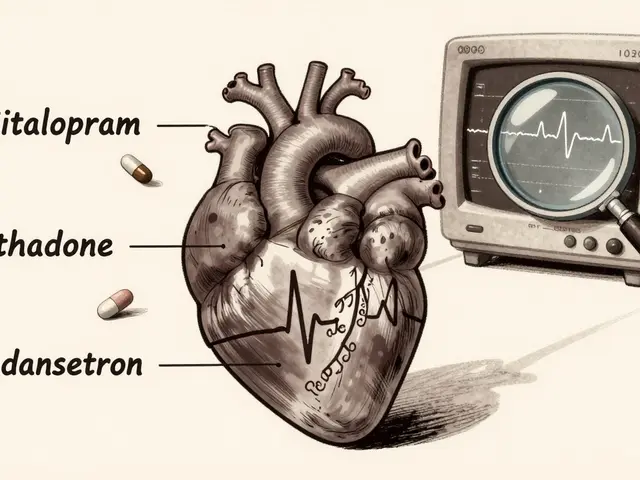
Relative Risk: What It Means for Your Medications and Health Decisions
When you hear that a drug relative risk, a measure comparing the chance of an outcome in one group versus another is 1.5, it doesn’t mean you’ll definitely get sick. It means you’re 50% more likely to experience it compared to someone not taking that drug. This number shows up in medication guides, clinical trials, and doctor’s office discussions—but most people don’t know how to read it. drug risks, the potential harms tied to medications are often reported using relative risk because it makes small differences sound bigger. But that doesn’t always reflect how real that risk is for you. A relative risk of 2 might sound scary, but if the baseline chance of a side effect is 1 in 10,000, doubling it still means 2 in 10,000. That’s not the same as a risk going from 1 in 10 to 2 in 10.
Relative risk is used everywhere in medicine. For example, when a study says people on a certain diabetes drug have a higher relative risk of joint pain, it’s comparing how often that pain shows up in users versus non-users. But without knowing the health statistics, data used to measure outcomes in populations behind the number, you can’t tell if it’s meaningful. Some drugs have a high relative risk for rare side effects—like a 3x increase in a condition that only affects 0.1% of people. Others have low relative risk but affect many people because the side effect is common. That’s why medication safety, the practice of minimizing harm from drug use isn’t just about the number—it’s about context. The same relative risk can mean very different things depending on your age, other meds you take, or whether you have liver or kidney issues. You can’t just look at the risk number. You need to ask: What’s the actual chance? Who does this apply to? And what happens if I don’t take it?
That’s why the posts here focus on real-world examples. You’ll find breakdowns of how relative risk shows up in insulin safety, immunosuppressant side effects, DPP-4 inhibitors, and even licorice interactions. These aren’t abstract studies—they’re stories of people who saw these numbers on their labels, didn’t understand them, and ended up with avoidable problems. Or, in some cases, avoided harm because they knew what to ask. This isn’t about scaring you. It’s about giving you the tools to read between the lines of medical data so you can make smarter choices. What you’ll find below isn’t just a list of articles. It’s a collection of practical guides that show you how to turn confusing numbers into clear actions.
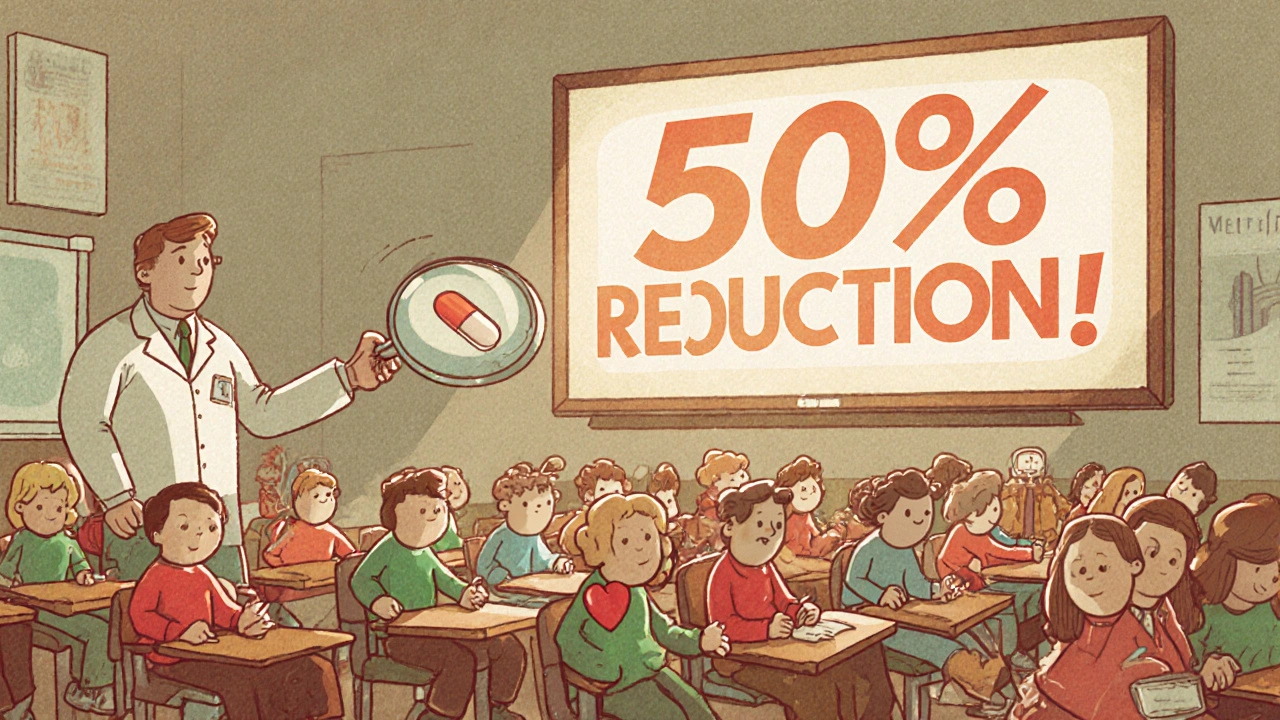
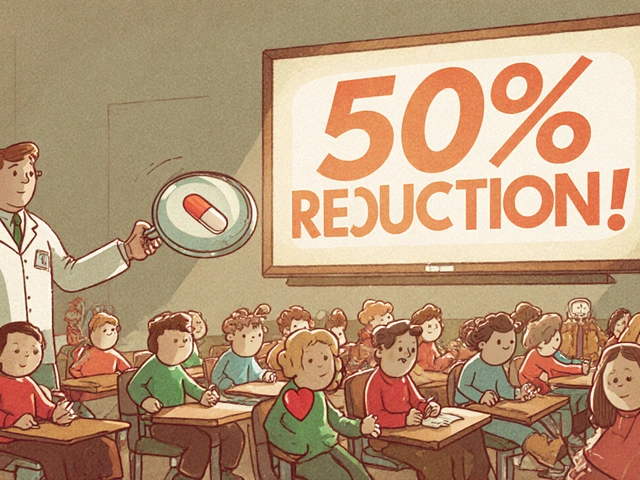
Absolute Risk vs Relative Risk in Drug Side Effects: How to Interpret the Numbers
Learn how to read drug risk numbers correctly by understanding the difference between absolute and relative risk. Stop being misled by pharmaceutical ads and make smarter decisions about your health.
Read MoreLatest Post
-
-
-
-
Hormone Therapy Combinations: Generic Choices and Considerations 17 January 2026
-