
TMP-SMX and warfarin: Drug interactions you can't afford to ignore
When you take TMP-SMX, a combination antibiotic made of trimethoprim and sulfamethoxazole, often prescribed for urinary tract infections, sinus infections, or bronchitis, and you’re also on warfarin, a blood thinner used to prevent clots in people with atrial fibrillation, artificial heart valves, or a history of deep vein thrombosis, you’re walking a tightrope. This isn’t just a theoretical risk—it’s a real, documented danger that sends people to the ER every year. The interaction between these two drugs can spike your INR levels, turning your blood into a slow-moving river that won’t clot when it needs to. Even a small dose of TMP-SMX can make warfarin work too well, increasing your risk of bleeding inside your brain, gut, or joints.
Why does this happen? Trimethoprim, one half of TMP-SMX, interferes with how your liver breaks down warfarin. It’s like putting a brick on the brake pedal of your body’s natural cleanup system. At the same time, TMP-SMX can reduce vitamin K production in your gut—vitamin K is what warfarin tries to block, so less of it means warfarin becomes even stronger. You don’t need to be on high doses for this to matter. People on stable warfarin doses for months can suddenly see their INR jump from 2.5 to 6.5 after just three days of TMP-SMX. That’s not a minor fluctuation—that’s a medical alert. And it’s not rare. Studies show this interaction occurs in up to 1 in 5 patients taking both drugs. You might think, "I’ve taken antibiotics before without issue," but warfarin is different. It’s not like ibuprofen or amoxicillin. It’s a narrow therapeutic index drug, meaning the line between safe and dangerous is paper-thin. Even switching to a different generic version of warfarin can cause problems—so adding an antibiotic into the mix? That’s a recipe for trouble.
This interaction doesn’t just affect older adults. Anyone on warfarin—whether they’re 30 or 80—is at risk. And it’s not always obvious. You might feel fine until you notice bruising out of nowhere, blood in your urine, or a nosebleed that won’t stop. Some people get dizzy, weak, or develop sudden joint pain from internal bleeding. If you’re on warfarin and your doctor prescribes TMP-SMX, don’t assume it’s safe. Ask about alternatives like doxycycline or nitrofurantoin, which don’t mess with warfarin the same way. If TMP-SMX is your only option, your provider should check your INR before you start, again after 2–3 days, and then weekly until you finish the course. And never, ever skip a blood test just because you feel okay. Your body doesn’t warn you until it’s too late.
What you’ll find below are real, practical stories and guides from people who’ve lived through this. From how to spot early signs of bleeding to how to talk to your pharmacist when your insurance denies a safer alternative, these posts give you the tools to protect yourself. No fluff. No jargon. Just what you need to know before your next prescription arrives.
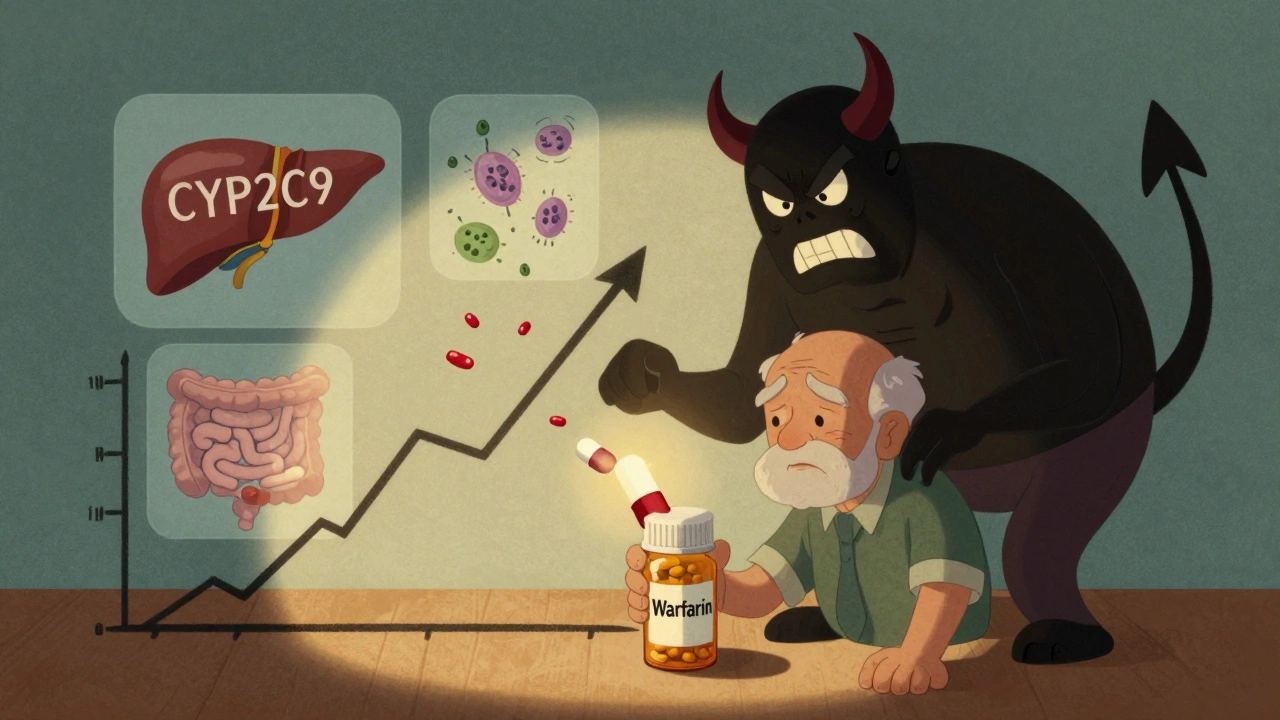
Trimethoprim-Sulfamethoxazole and Warfarin: How This Antibiotic Can Raise Your INR and Increase Bleeding Risk
Trimethoprim-sulfamethoxazole (Bactrim) can dangerously raise INR levels in people taking warfarin, increasing bleeding risk. Learn how this interaction works, who’s most at risk, and what to do if your INR spikes.
Read MoreLatest Post
-
-
The importance of self-care during sickness 2 August 2023
-

-
-

How Local Anesthesia Boosts Dental Treatment Success 29 September 2025