Corticosteroids: Balancing Fast Relief and Long-Term Health Risks
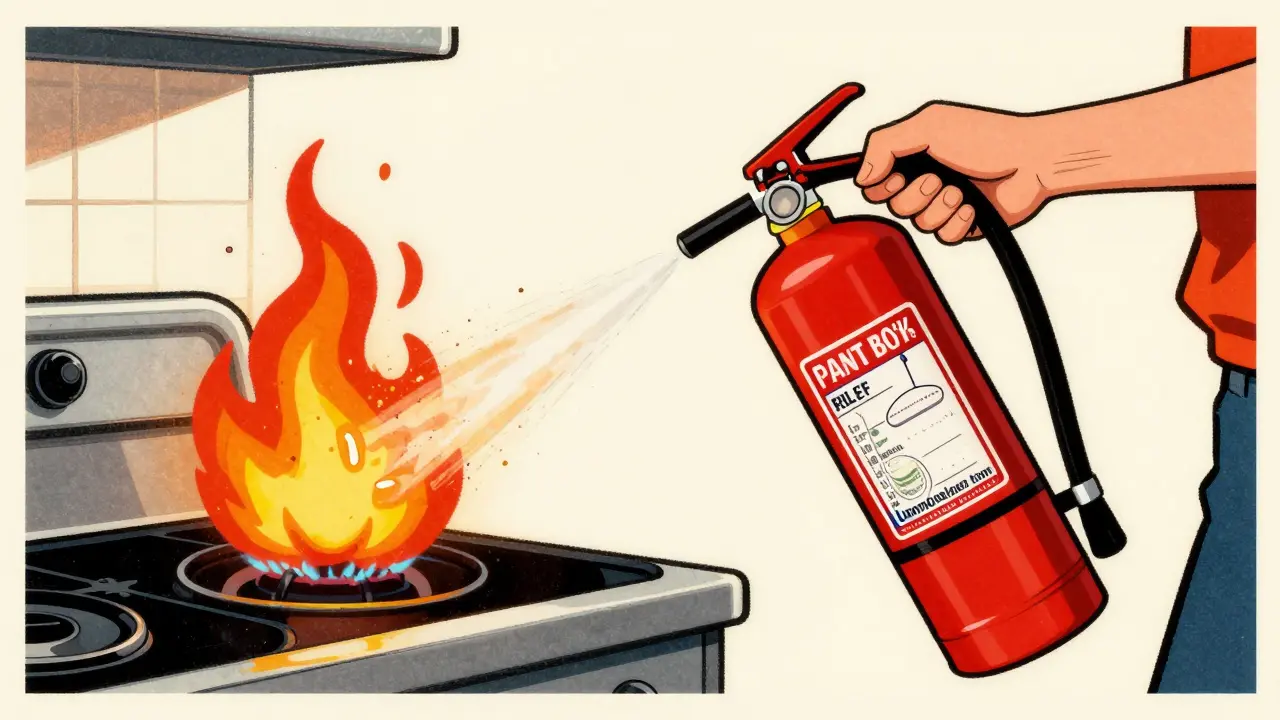
Imagine you have a fire in your kitchen. You grab a fire extinguisher, spray the flames, and the danger is gone in seconds. But if you just kept spraying that extinguisher for three months, you'd ruin your furniture, choke the air out of the room, and probably cause more damage than the fire itself. This is exactly how doctors view corticosteroids is a class of synthetic medications that mimic cortisol, a hormone produced by your adrenal glands to reduce inflammation. They are incredibly powerful tools for stopping a medical crisis, but they come with a heavy price tag if used for too long.
The Fast Track to Feeling Better
When you're dealing with a severe asthma attack or a sudden lupus flare, you don't have weeks to wait for a drug to kick in. You need relief now. This is where corticosteroids shine. For most people, systemic doses can knock down inflammation within 24 to 48 hours. In a 2021 study published in Arthritis & Rheumatology, these drugs reduced disease activity scores significantly more in one week than standard NSAIDs did.
Depending on what you're treating, your doctor might choose a different version based on how long the drug stays in your system:
- Short-acting: Drugs like hydrocortisone stay active for less than 12 hours.
- Intermediate-acting: prednisone and prednisolone last between 12 and 36 hours.
- Long-acting: dexamethasone can keep working for up to 54 hours.
Whether it's a pill, an inhaled puff for your lungs, or a cortisone shot in a joint, the goal is the same: stop the immune system from overreacting. For example, in cases of peritonsillar abscesses, these meds can reduce the need for surgery by 27%. They are the gold standard for speed, but that speed is exactly why we have to be careful.
The Hidden Cost of Long-Term Use
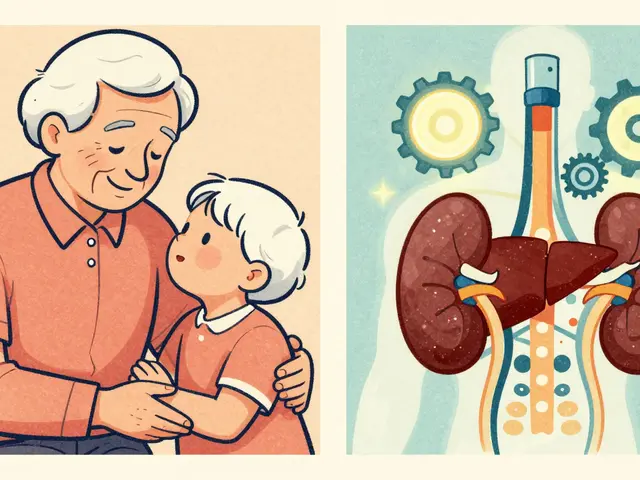
The problem starts when a "short-term fix" becomes a long-term habit. Because corticosteroids mimic a natural hormone, they trick your body into thinking it has plenty of cortisol. Your adrenal glands eventually stop producing their own, and your other organs start to suffer the consequences.
The side effects aren't just mild annoyances; they can be permanent. Many patients report the dreaded "moon face"-a rounding of the face caused by fat redistribution-within just two weeks of taking 10mg of prednisone. But the deeper issues are more concerning. Long-term users often face a triple threat: bone loss, blood sugar spikes, and eye problems. A survey by the Steroid Recovery Project found that nearly 30% of people using steroids for more than three months experienced permanent changes like cataracts or osteoporosis.
| Treatment Type | Speed of Action | Primary Risk | Best Use Case |
|---|---|---|---|
| Corticosteroids | Hours to Days | Metabolic/Bone Loss | Acute flares, emergencies |
| NSAIDs | Hours | GI Bleeding | Mild to moderate pain |
| DMARDs | Weeks to Months | Liver/Kidney stress | Chronic disease maintenance |
Why You Can't Just Stop Cold Turkey
If you've been on these meds for a while, the most dangerous thing you can do is stop taking them overnight. Because your adrenal glands have essentially gone on vacation, your body can't suddenly produce enough cortisol to keep you stable. This can lead to a life-threatening crisis called adrenal insufficiency.
To avoid this, doctors use a "tapering schedule." This means slowly lowering the dose over several days or weeks to give your body time to wake up its natural hormone production. According to guidelines from the American College of Physicians, any course lasting longer than 14 days requires this gradual wind-down. If you're having major surgery and have been on steroids recently, you might even need "stress dosing" to keep your blood pressure from crashing.
Avoiding the Trap: Proper Monitoring
Since these drugs affect almost every system in the body, you can't just take the pill and hope for the best. If you're on a dose higher than 7.5mg of prednisone for more than three months, you should be getting a DEXA scan to check your bone density. Bone loss can happen at a rate of 3-5% per month in the first year of therapy.
A smart management plan usually includes:
- Bone Protection: Taking 1200mg of calcium and 800IU of vitamin D daily.
- Blood Sugar Checks: Monthly monitoring to catch steroid-induced diabetes early.
- Eye Exams: Quarterly check-ups to watch for cataracts or glaucoma.
The tragedy is that many of these complications are preventable. Research shows that about 68% of adverse events could be avoided with proper monitoring, yet a significant number of primary care providers don't follow these protocols strictly. If you're on a long-term dose, be your own advocate and ask for these tests.
The Danger of "Off-Label" Use
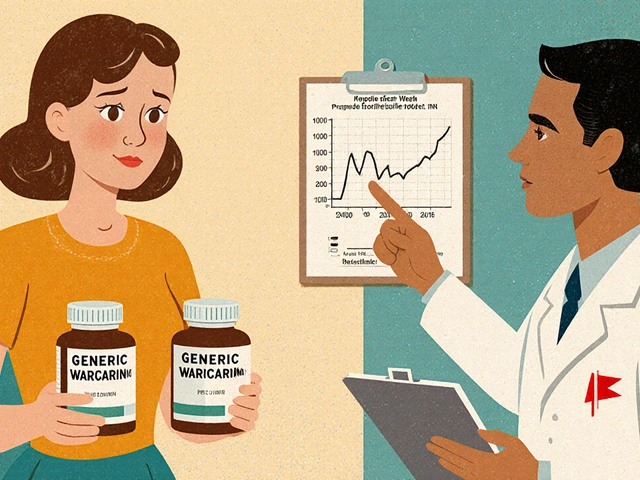
One of the biggest issues in modern medicine is using these powerful drugs for things they aren't meant to treat. About 21% of U.S. adults have received a steroid prescription in the last few years, but nearly half of those prescriptions were for things like common colds or simple back pain-conditions where steroids provide almost no real benefit.
Using a "nuclear option" for a "small fire" is a recipe for disaster. When you take steroids for a respiratory infection that doesn't need them, you're taking on a 430% increase in sepsis risk and a 230% increase in blood clot risk for no actual gain. It's a high-stakes gamble where the house always wins.
The Future of Inflammation Control
The good news is that science is moving toward "smarter" steroids. In late 2023, the FDA approved fosdagrocorat, a new type of drug that keeps the anti-inflammatory power but cuts the blood sugar spikes by 63%. The goal is to keep the "fire extinguisher" effect without destroying the "furniture" of your internal organs.
For now, the rule remains: use them for the shortest time possible at the lowest dose that works. If you're fighting a chronic condition, look into biologic therapies or DMARDs. They take longer to start working-sometimes months-but they don't carry the same cumulative toxicity as corticosteroids.
How quickly do corticosteroid injections work?
While systemic pills work fast, injections like cortisone shots usually take a bit longer. Most patients start feeling relief within seven days, though it can take up to a full week to reach maximum effectiveness. The relief typically lasts from a few weeks to a few months depending on the joint and the condition.
Can I stop taking prednisone suddenly?
No. Stopping corticosteroids abruptly after long-term use can lead to adrenal insufficiency, which is a medical emergency. Your body needs a tapering schedule to slowly restart its own cortisol production. Always follow your doctor's specific dosing schedule when winding down.
Will steroids always cause weight gain?
Not always, but it's very common. Many users report weight gain-averaging around 12 pounds over 8 weeks-due to fluid retention and changes in how the body stores fat. This often manifests as "moon face" or a buffalo hump on the upper back.
What is the difference between prednisone and hydrocortisone?
The main difference is the duration of action. Hydrocortisone is short-acting (half-life under 12 hours), making it closer to the natural cortisol your body makes. Prednisone is intermediate-acting (12-36 hours) and is generally more potent in reducing inflammation.
Are there safer alternatives to long-term steroid use?
Yes. Depending on the condition, doctors may prescribe Disease-Modifying Antirheumatic Drugs (DMARDs) or biologic therapies. While these take longer to work (sometimes 4 to 12 weeks), they are designed for long-term maintenance without the severe metabolic risks associated with steroids.