
How to Fight Insurance Denials When a Generic Medication Fails
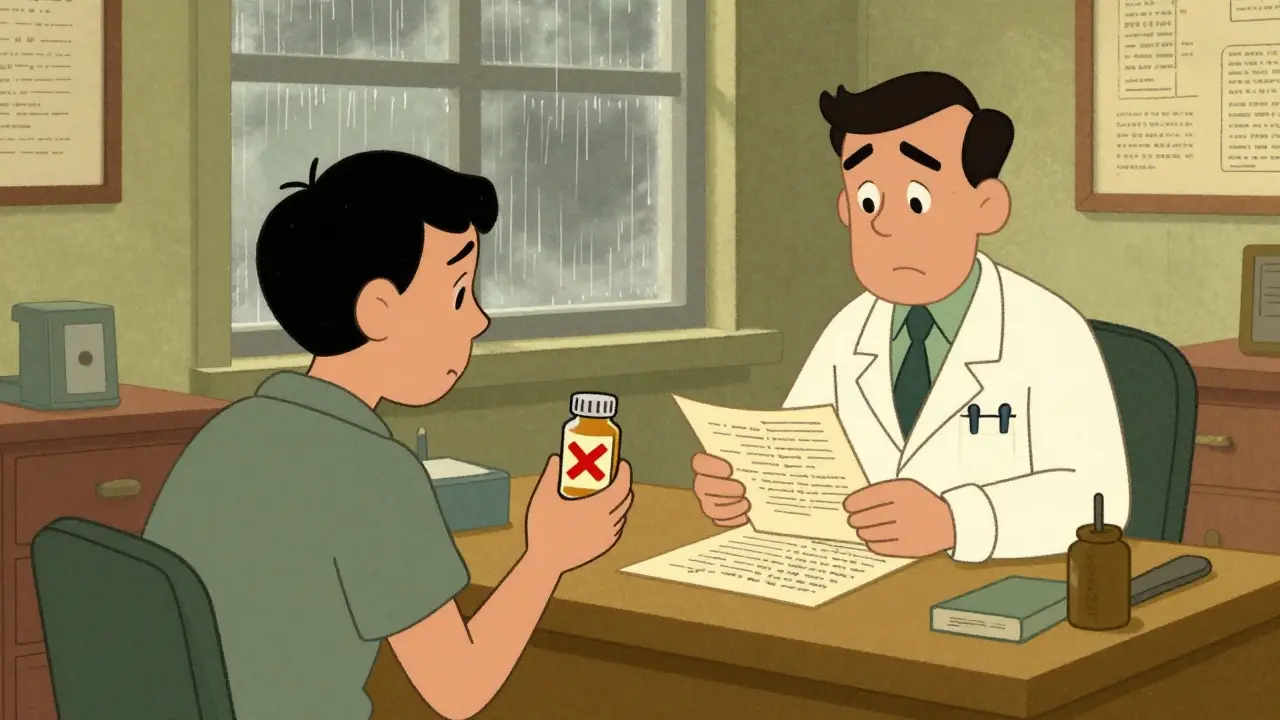
When your insurance denies coverage for a brand-name medication because a generic is available, but the generic doesn't work for you, you're facing a generic medication denial. This situation is more common than you might think. The FDAThe U.S. Food and Drug Administration sets standards for generic drug bioequivalence, requiring them to deliver 80-125% of the active ingredient compared to brand-name drugs.. For medications like levothyroxine or warfarin, even small differences can cause serious health issues. The American Medical AssociationThe American Medical Association reports that 15-20% of patients experience therapeutic failure with generic substitutions for certain drug classes..
Why Generics Sometimes Fail
The FDA's bioequivalence standards ensure generics are generally safe and effective. However, this 80-125% range creates gaps for narrow-therapeutic-index drugs. These medications have very little room for error. For example, levothyroxine (used for thyroid conditions) requires precise dosing. A patient might take a generic version that delivers 85% of the active ingredient, causing their TSH levels to spike. Similarly, warfarin (a blood thinner) needs exact dosing to prevent clots or bleeding. When generics vary within that range, some patients experience ineffective treatment or dangerous side effects.
How Insurance Denials Happen
Insurance companies often deny brand-name requests using codes like DA2000 (generic available) or DA1200 (not on formulary). They assume all generics are interchangeable. But when a patient has a documented reaction or failure with generics, this assumption is wrong. For instance, a patient with epilepsy might have breakthrough seizures after switching to a generic levetiracetam. Yet insurers may still deny the brand-name version, claiming the generic is sufficient. This creates dangerous treatment gaps. According to the Patient Advocate FoundationThe Patient Advocate Foundation found that 68% of patients experience initial denial for brand-name medications when generics fail..
Step-by-Step Appeal Process
Fighting a generic medication denial requires following specific steps. Here's how it works:
- Internal Appeal: File within 180 days for commercial insurance or 60 days for Medicare Part DMedicare Part D beneficiaries have a five-tiered appeals system with standard decisions processed within 7 days or 72 hours for expedited reviews.. Your insurer reviews the case internally. This typically takes 15-30 days.
- External Review: If denied internally, request an independent third-party review. For commercial plans, this is mandated by the NAICThe National Association of Insurance Commissioners' Model External Review Law requires external reviews for commercial insurance denials.. For Medicare Part D, you'll go through additional levels including the Office of Medicare Hearings and Appeals.
- Expedited Review: If your condition is urgent (like seizures or heart issues), you can request a 72-hour expedited review.
Documentation You Need
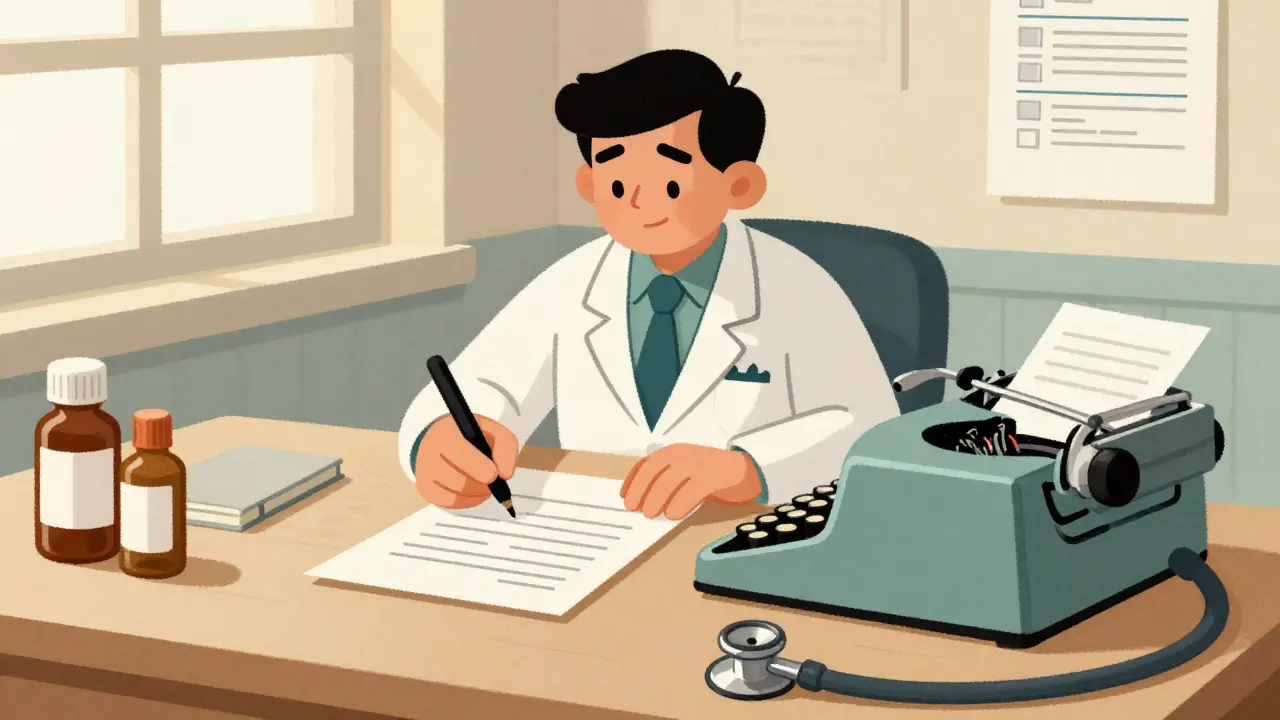
Success hinges on strong medical evidence. Your doctor's letter must include:
- Specific dates and dosages of generic medications tried
- Lab results showing therapeutic failure (e.g., TSH levels for thyroid medication)
- Details of adverse reactions (e.g., seizures, rashes, severe side effects)
- Explanation of why the brand-name is medically necessary
For example, a patient with Crohn's disease might need a brand-name biologic after two failed biosimilar attempts. The Crohn's & Colitis Foundation recommends documenting "at least two failed attempts with biosimilars or alternative treatments, with specific dates, dosages, and clinical outcomes."
What Makes Appeals Successful
Doctors who provide detailed pharmacokinetic explanations see 82% approval rates. For instance, a physician might write: "The patient's blood levels of levetiracetam dropped below therapeutic range after switching to generic, causing seizure breakthroughs. Brand-name Keppra is required due to the SCN1A mutation." The Patient Advocate Foundation found that appeals citing specific FDA-approved indications (like Synthroid's brand-specific labeling for thyroid replacement) have 89% approval rates. State regulations also matter-California, New York, and Texas have higher success rates (63%) due to stronger formulary exception protocols. Here's how success rates compare:
| Insurance Type | Initial Appeal Success Rate | External Review Success Rate |
|---|---|---|
| Medicare Part D | 58% | 67% |
| Commercial Insurance | 39% | 67% |
| State-Regulated Plans (CA, NY, TX) | 63% | 75% |
Common Mistakes to Avoid
Many appeals fail due to simple errors:
- Not including lab results or specific symptom logs
- Waiting too long to file (missed deadlines)
- Using vague language like "the generic didn't work" instead of detailed clinical evidence
- Not checking if your state has specific protections (28 states prohibit step therapy for documented therapeutic failures)
For example, Anthem Blue Cross denied a gabapentin appeal because they claimed "no clinical evidence of generic ineffectiveness"-even though the patient had three documented seizure breakthroughs. The key was providing seizure logs and EEG results showing clear correlation.
Where to Get Help
You don't have to navigate this alone. The Patient Advocate FoundationThe Patient Advocate Foundation offers free case management (1-800-532-5274) with 92% user satisfaction in their 2023 annual report.. GoodRxGoodRx's Appeal Assistant tool has processed over 147,000 appeals in 2023 with a 68% success rate.. For Medicare beneficiaries, the Medicare Rights Center provides free counseling. Specialty pharmacies like OptumRx also offer appeal support services, with 73% approval rates for professionally managed appeals.
What should I do first if my insurance denies a brand-name medication?
Start by getting the Explanation of Benefits (EOB) from your insurer. It will have the denial code (like DA2000 or DA1200) and instructions for appealing. Then contact your doctor immediately to start gathering documentation. Most insurers require you to file an internal appeal within 60-180 days, so time is critical.
Can I appeal if I've only tried one generic medication?
Yes. Many insurers require trying one generic before approving a brand-name, but if that single generic caused adverse effects or failed to work, you can appeal immediately. Document the specific issues you experienced and have your doctor explain why the brand is necessary. Some states (like California) prohibit requiring multiple generic trials for documented therapeutic failures.
How long does the appeal process take?
Internal appeals typically take 15-30 days. External reviews can take 30-45 days. For urgent cases, you can request expedited review, which must be processed within 72 hours under CMS rules. Medicare Part D expedited appeals are decided within 72 hours for urgent cases or 7 days for standard reviews.
What if my doctor refuses to help with the appeal?
Your doctor's support is critical, but if they're unresponsive, contact the Patient Advocate Foundation (1-800-532-5274). They can help you draft a letter and connect you with a case manager. Some specialty pharmacies also offer appeal assistance. In extreme cases, you may need to find a new provider who understands the importance of documenting therapeutic failure.
Are there any laws protecting me from these denials?
Yes. The Affordable Care Act requires insurers to have an appeals process. 28 states have laws prohibiting step therapy for documented therapeutic failures. The 2022 Inflation Reduction Act strengthened Medicare appeal rights, eliminating cost-sharing for successful appeals. The FDA is also working on new guidelines to address individualized bioequivalence issues.


8 Comments
jan civil
February 4, 2026 at 17:03
Got approved after my doctor documented the exact lab results showing the generic failed.
Kate Gile
February 5, 2026 at 23:46
I had the same issue with my thyroid medication. The generic didn't work for me, and the insurance denied the brand-name. I followed the steps outlined here. First, I got the Explanation of Benefits from the insurer. Then I contacted my doctor immediately. She helped me gather all the necessary documentation. I included specific lab results showing the TSH levels were off. I also documented the adverse reactions I experienced. My doctor wrote a detailed letter explaining why the brand was necessary. I filed the internal appeal within the deadline. It took about three weeks. Then I requested an external review. The external review approved it. The key was having thorough documentation. Without it, the appeal would have failed. I encourage everyone to document everything meticulously. Your health is worth fighting for.
Jenna Elliott
February 7, 2026 at 16:11
Insurers deny to save money. They don't care about patients. Document everything. Fight hard. Don't let them get away with it. They're just trying to cut costs. Your health is at risk. Always appeal. It's the only way. They're not on your side. Trust no one. Get help. It's not fair. But you can win. Always keep records. They're all working together. It's a scam. Don't trust the system. Fight them hard.
anjar maike
February 8, 2026 at 15:11
I needed to document lab results for my appeal. My doctor provided detailed records of my TSH levels. The generic didn't work for me. I filed the internal appeal within 60 days. The external review approved it. Always get specific test data. 🌟 Good luck everyone 💯
Sam Salameh
February 10, 2026 at 02:50
America's healthcare system is rigged but here's how to win. Always get your doctor's letter right. Document every detail. They'll try to deny you but fight hard. I've been through this. The key is knowing the right steps. State protections help too. California has good rules. Always check your state laws. Don't give up. You can win this. Stay persistent. The docs are on your side. Trust them. It's worth it. Never let them push you around.
Arjun Paul
February 10, 2026 at 08:41
Most people don't know how to appeal properly. They need to follow the steps exactly as outlined. Without proper documentation, the appeal fails. Always get specific lab results. Your doctor must explain why the brand is necessary. Many patients skip this step. That's why they lose. You must document everything. Dates, dosages, symptoms. No vague statements. Clear evidence. Then the appeal succeeds. Follow the process. Don't waste time. Act immediately. It's simple if you do it right.
Matthew Morales
February 10, 2026 at 09:28
hey guys, i had this issue with my thyroid med. switched to generic and my tsh went crazy. had to appeal. first thing was getting the eob from the insurer. called my doc right away. she helped me write a letter with all the details. included my blood tests, the specific generic i tried, and the dates. explained why the brand was necessary. filed internal appeal. took about 3 weeks. then external review. they approved it. key was documenting everything. without the logs, they wouldnt have approved. my state has protections so that helped. learned that if you dont have the right docs, they deny it. so always get your doctor to write a detailed letter. and dont wait too long to appeal. time is critical. i got lucky but now i know what to do. hope this helps others. 😅
Diana Phe
February 11, 2026 at 21:39
Big pharma and insurers are in cahoots. They want you on generics to save money. But they know some people need brand-name. They deny it to make you suffer. Always document everything. They'll try to dismiss you. But the truth is they're all working together. I've seen it happen. It's a scam. Always keep records. They don't care about you. It's all about profits. Fight them hard. Don't trust the system. It's rigged. Always get help from patient advocates. They're the only ones who care.