
Adverse Drug Effects: What They Are, Why They Happen, and How to Spot Them
When you take a medication, you expect it to help—not hurt. But adverse drug effects, unintended and harmful reactions to medications that occur at normal doses. Also known as drug side effects, they range from a mild rash to liver failure or internal bleeding. These aren’t rare accidents. Millions of people experience them every year, and many are preventable.
Not all adverse effects are the same. Some come from how your body processes the drug—like when your liver can’t break it down fast enough. Others happen because two medications clash, like warfarin, a blood thinner that becomes dangerous when mixed with certain antibiotics and TMP-SMX, an antibiotic that can spike INR levels and cause uncontrolled bleeding. Then there are drugs with a narrow therapeutic index, a category of medications where tiny changes in dose can lead to serious harm. Levothyroxine, phenytoin, and digoxin fall into this group. Switching brands—even to a generic—can trigger side effects if your doctor doesn’t adjust the dose.
What makes adverse drug effects so tricky is that they’re often hidden in plain sight. A headache after starting a new pill? Maybe it’s just stress. Joint pain after taking a diabetes drug? You might blame aging. But adverse drug effects don’t always show up right away. Some build up over weeks. Others only appear when you take the drug with food, alcohol, or another supplement—like licorice messing with your blood pressure meds. The FDA requires medication guides for a reason: they flag risks you won’t find on the bottle. Reading them isn’t optional—it’s your first line of defense.
You don’t need to be a doctor to spot trouble. If you feel worse after starting a new medication—if your mood drops, your skin breaks out, your balance shifts, or your heart races—it’s not just "bad luck." It could be your body reacting. And if you’re on multiple drugs, especially after a transplant or for chronic conditions, interactions become a real threat. Immunosuppressants like tacrolimus don’t just fight rejection—they can mess with kidney function, raise blood sugar, and react badly with grapefruit or common antibiotics. These aren’t edge cases. They’re everyday risks.
Knowing the difference between absolute risk and relative risk helps too. A drug might say it "doubles your chance of a side effect." Sounds scary—until you realize that means going from 1 in 10,000 to 2 in 10,000. But if that side effect is liver failure? Even a small increase matters. That’s why understanding how drugs affect your body isn’t just smart—it’s survival.
Below, you’ll find real-world stories and practical guides on how to avoid, recognize, and respond to adverse drug effects. From expired antibiotics that lose potency to combination pills that save lives—or cause harm—this collection gives you the tools to speak up, ask the right questions, and take control of your health.
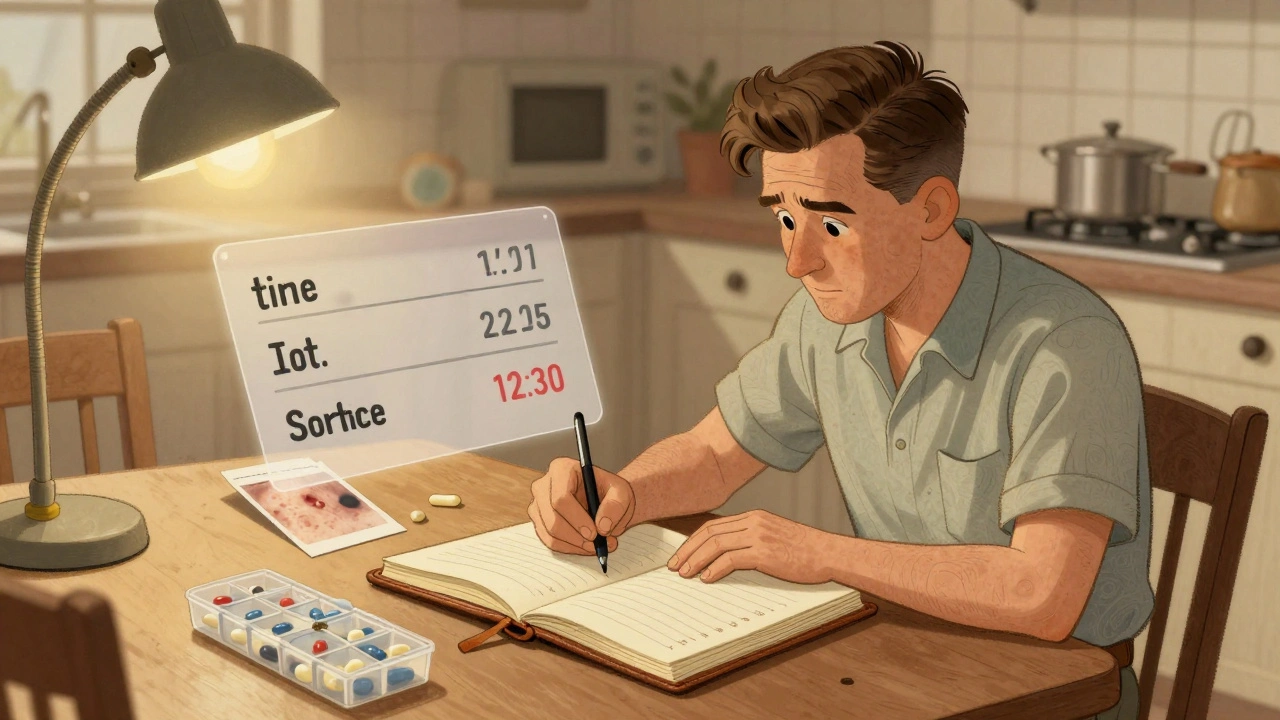
How to Keep a Symptom Diary for Suspected Drug Reactions
Learn how to track medication side effects with a symptom diary to help doctors identify drug reactions faster. Includes what to record, best tools, and red flags to watch for.
Read MoreLatest Post
-

-
-
-

-
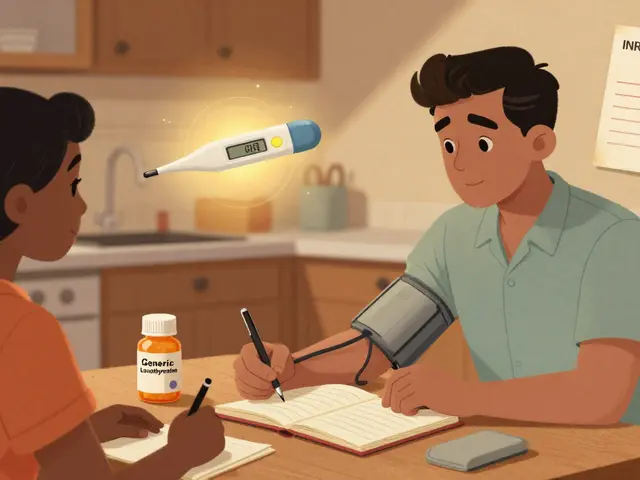
Monitoring Your Health After Switching to Generics 21 February 2026