Autoimmune Liver Disease: Causes, Diagnosis, and Treatment Insights
When your body’s immune system turns against your own liver, you’re dealing with autoimmune liver disease, a group of chronic conditions where the immune system mistakenly attacks liver cells. Also known as autoimmune hepatitis, this isn’t caused by alcohol, viruses, or poor diet—it’s an internal misfire that can lead to scarring, liver failure, or even the need for a transplant. The three main types are autoimmune hepatitis, primary biliary cholangitis, and primary sclerosing cholangitis. Each behaves differently, but they all share one thing: your immune system is the enemy.
Primary biliary cholangitis, a condition where the bile ducts inside the liver get slowly destroyed often hits middle-aged women and leads to bile buildup, itching, and fatigue. Primary sclerosing cholangitis, a rarer form that narrows and scars the bile ducts both inside and outside the liver is more common in men and often linked to inflammatory bowel disease. And autoimmune hepatitis, the most common type, where immune cells directly attack liver tissue can strike at any age but usually shows up with jaundice, joint pain, and extreme tiredness. These aren’t just different names—they’re different battles, each requiring tailored treatment.
Diagnosis isn’t simple. Blood tests check for specific antibodies like AMA or ANA, liver enzymes spike, and a biopsy often confirms the damage. But here’s the catch: many people are misdiagnosed for years because symptoms look like viral hepatitis or fatty liver disease. That’s why knowing your family history and tracking symptoms with a symptom diary can make all the difference. Once diagnosed, the goal isn’t to cure it—it’s to silence the immune attack. That’s where immunosuppressant drugs, medications that calm the overactive immune response come in. Steroids like prednisone and drugs like azathioprine are common, but they come with side effects: weight gain, bone loss, higher infection risk. Newer treatments are being tested, but for now, managing this disease means balancing control with quality of life.
You’ll find posts here that dig into how these drugs interact with other medications—like how immunosuppressants after a liver transplant can clash with antibiotics or antifungals. Others show you how to spot early signs of liver damage before it’s too late, or how to track side effects so your doctor doesn’t miss a red flag. There’s no magic fix, but knowledge helps you push back. These aren’t just medical facts—they’re tools you can use to speak up, ask better questions, and take control.
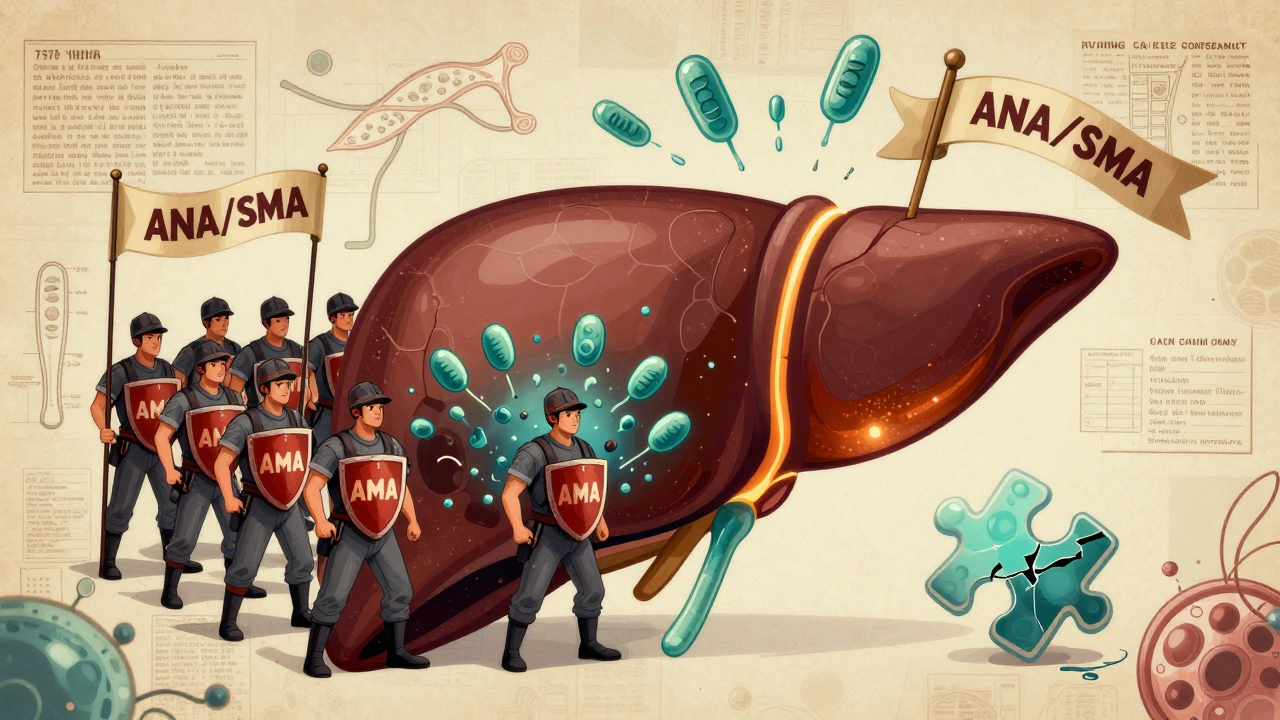
Autoimmune Overlap: Understanding PBC, PSC, and AIH Combined Features
Autoimmune overlap syndromes combine features of PBC, PSC, and AIH, requiring specialized diagnosis and dual treatment approaches. Learn how to spot the signs and why standard therapies often fall short.
Read MoreLatest Post
-

-
Buy Cheap Generic Atenolol Online - Safe Pharmacy Guide 11 October 2025
-
-
-