Bactrim and Blood Thinners: What You Need to Know About the Interaction
When you take Bactrim, a combination antibiotic made of sulfamethoxazole and trimethoprim, commonly used for urinary tract infections, bronchitis, and traveler’s diarrhea, and you’re also on blood thinners, medications like warfarin that prevent dangerous clots but require careful dosing, your body doesn’t just handle both drugs separately—it reacts to how they influence each other. This isn’t just a theoretical concern. Real patients have ended up in the hospital because their INR levels spiked after starting Bactrim, leading to uncontrolled bleeding. The interaction is well-documented, and it’s not rare. If you’re on warfarin, even a short course of Bactrim can change how your blood clots.
Bactrim doesn’t just make blood thinners stronger—it messes with your liver’s ability to break them down. Warfarin is processed by enzymes that Bactrim temporarily blocks, so the drug builds up in your system. At the same time, Bactrim can reduce vitamin K production in your gut, and vitamin K is what warfarin tries to suppress. It’s a double hit: more warfarin stays in your blood, and your body has less of the natural counterbalance. The result? A higher risk of bruising, nosebleeds, blood in urine or stool, or worse—internal bleeding. You don’t need to be on high doses for this to happen. Even standard doses of Bactrim can trigger this in people who’ve been stable on warfarin for years.
This isn’t just about warfarin. Other blood thinners like dabigatran or rivaroxaban also carry risks with Bactrim, though the mechanism is different. With these newer drugs, kidney function becomes the big concern. Bactrim can reduce how well your kidneys clear them out, leading to buildup. If you’re older, have kidney disease, or take other meds that affect your kidneys, this combo becomes even riskier. Doctors know this. That’s why they check your INR within days of starting Bactrim if you’re on warfarin. But if you’re not aware of the danger, you might not realize something’s wrong until it’s too late. Watch for unusual bruising, dizziness, headaches that won’t go away, or dark, tarry stools. These aren’t normal side effects—they’re warning signs.
There’s no need to panic, but you do need to act. Never start or stop Bactrim without telling your doctor you’re on a blood thinner. If you’re prescribed Bactrim, ask: "Can this interact with my blood thinner?" and "Do I need a blood test after starting this?" Sometimes, a different antibiotic like amoxicillin is safer. Other times, your warfarin dose needs to be lowered before you even take the first Bactrim pill. The key is communication—not assumption. The posts below cover real cases, lab results, and practical steps you can take to avoid dangerous mix-ups. You’ll find guides on how to track your own INR, what questions to ask your pharmacist, and how to recognize when a drug interaction is happening before it turns serious. This isn’t just about one combo—it’s about learning how to spot hidden risks in any medication list you’re given.
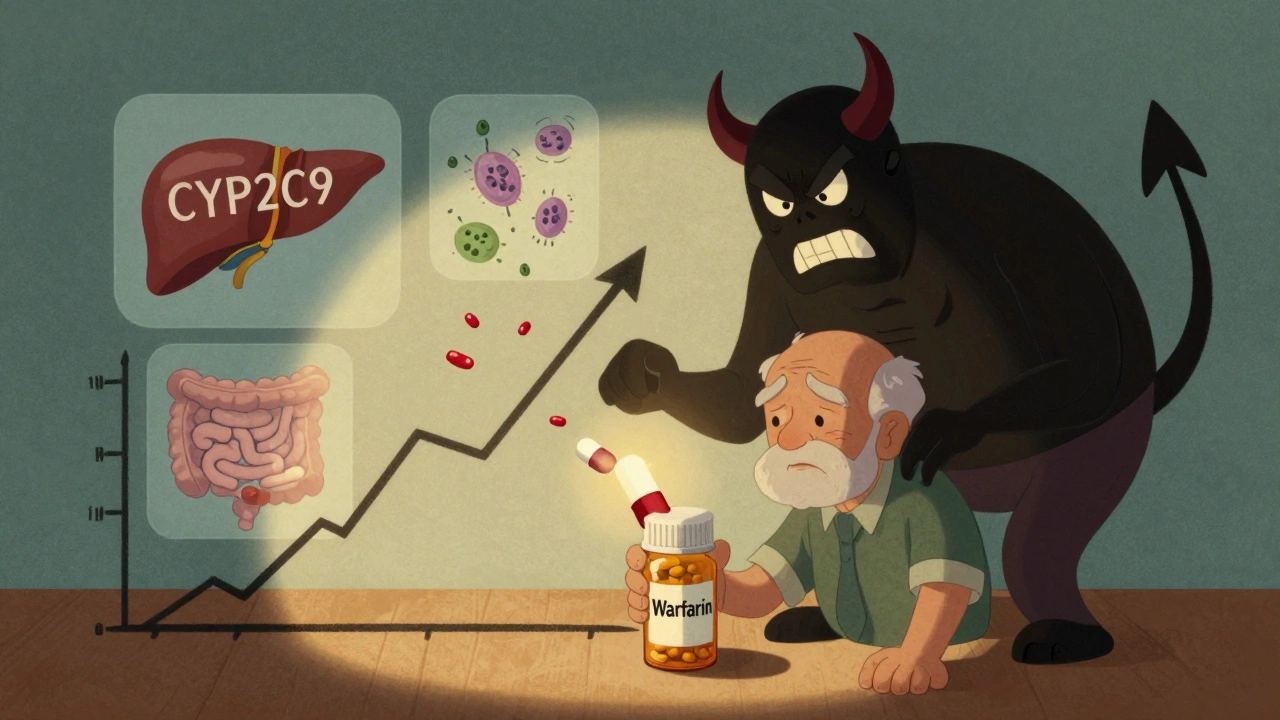
Trimethoprim-Sulfamethoxazole and Warfarin: How This Antibiotic Can Raise Your INR and Increase Bleeding Risk
Trimethoprim-sulfamethoxazole (Bactrim) can dangerously raise INR levels in people taking warfarin, increasing bleeding risk. Learn how this interaction works, who’s most at risk, and what to do if your INR spikes.
Read MoreLatest Post
-

-

-

-

Aspirin for Primary Prevention: Who Should Skip Daily Doses 23 January 2026
-