
Cross-Reactivity: What It Is and How It Affects Your Medications
When your body reacts to one substance because it looks like another, that’s cross-reactivity, a biological response where the immune system mistakes one molecule for a similar one, triggering an unintended reaction. Also known as cross-allergy, it’s why someone allergic to peanuts might react to soy, or why a penicillin allergy can make cephalosporins risky. This isn’t just about food—it’s a silent risk in many prescriptions, supplements, and even vaccines. Cross-reactivity doesn’t care if you’ve taken a drug safely before. One change in your immune system, one new medication, one extra spoonful of licorice—and suddenly you’re dealing with side effects you didn’t expect.
It shows up in surprising places. Take DPP-4 inhibitors, a class of diabetes drugs like Januvia that help control blood sugar but can cause severe joint pain in some people. While not a classic allergy, the body’s reaction to these drugs can mimic other inflammatory responses, blurring the line between side effect and cross-reactive trigger. Or consider HBV reactivation, when immune-suppressing drugs like biologics or chemotherapy wake up a dormant hepatitis B virus, causing liver damage. That’s cross-reactivity in action: the drug doesn’t cause the virus, but it removes the brakes keeping it quiet. Even something as simple as licorice, a common herbal supplement that contains glycyrrhizin, a compound that mimics steroid hormones and interferes with blood pressure meds, can cross-react with your treatment plan, lowering potassium and raising blood pressure without you realizing why.
And it’s not just drugs. Your pharmacy label might list ingredients you’ve never heard of, but your body remembers them. A shellfish allergy? You might react to iodine-based contrast dyes. A sulfa drug allergy? That could mean trouble with some diabetes pills or diuretics. The problem? Most patients don’t connect the dots. They know they’re allergic to penicillin, but not that cefdinir might trigger the same response. They take a supplement for joint pain, unaware that it’s chemically close to a drug they’re already on. Cross-reactivity thrives in silence—because no one asks the right questions at the pharmacy.
That’s why the posts here focus on what you need to know before you take, switch, or refill anything. From verifying dose changes to spotting hidden interactions in supplements, these articles give you the tools to catch cross-reactivity before it catches you. You’ll find real examples—like how zidovudine and Combivir carry risks that overlap with other HIV meds, or why switching from Neurontin to gabapentin isn’t always safe if your body already reacted to one. You won’t find guesswork. Just clear, practical facts about what triggers reactions, who’s at risk, and how to protect yourself. The goal isn’t to scare you. It’s to make sure you’re never caught off guard by something your body thought it recognized.
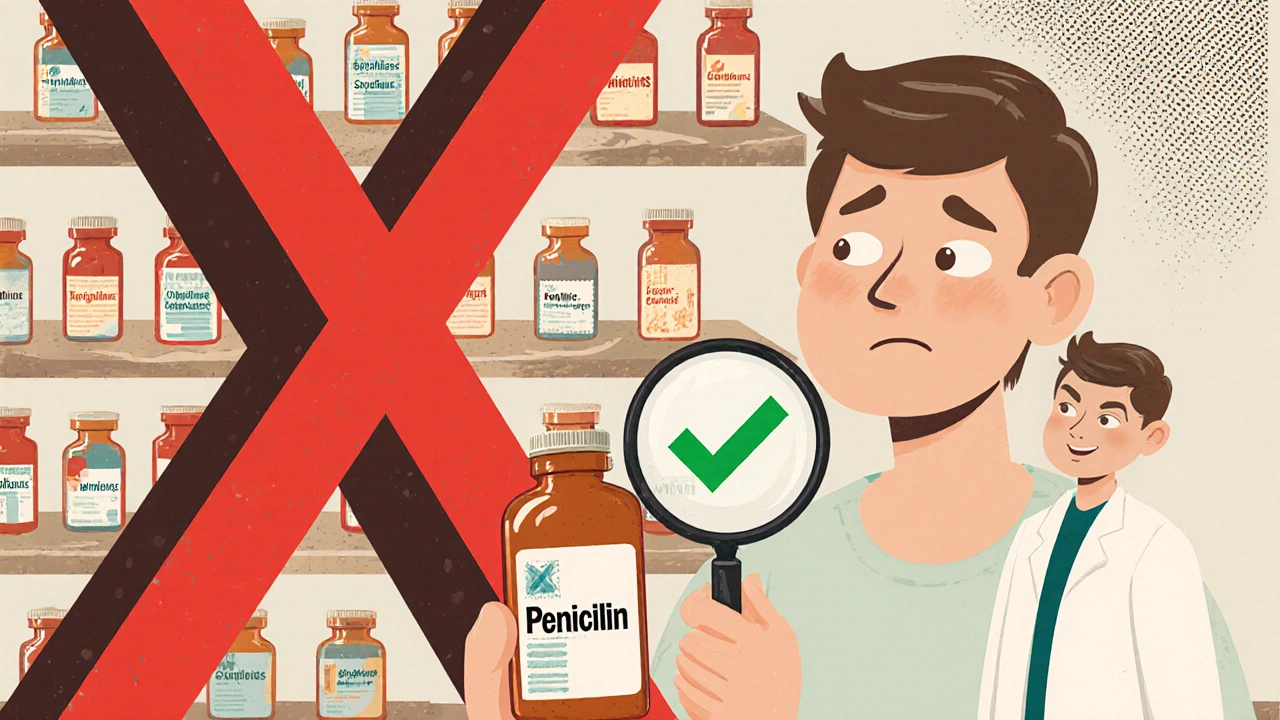
When to Avoid a Medication Family After a Severe Drug Reaction
Not every severe drug reaction means avoiding an entire medication family. Learn when cross-reactivity is real, when it's not, and how to avoid unnecessary treatment delays due to outdated allergy labels.
Read MoreLatest Post
-

-

-
-

-
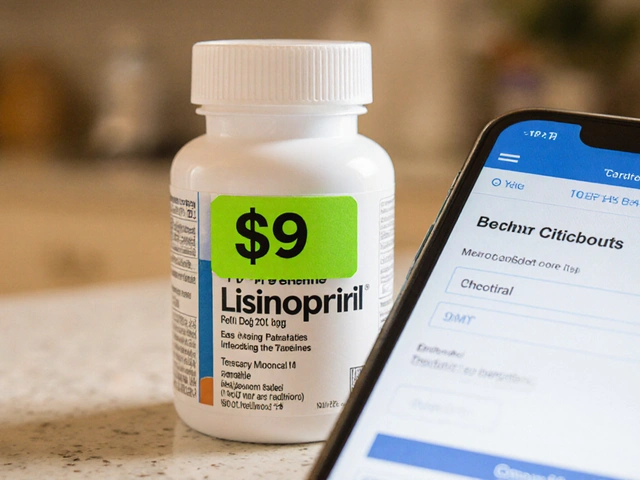
Buy Cheap Generic Lisinopril Online - 2025 Guide 14 October 2025