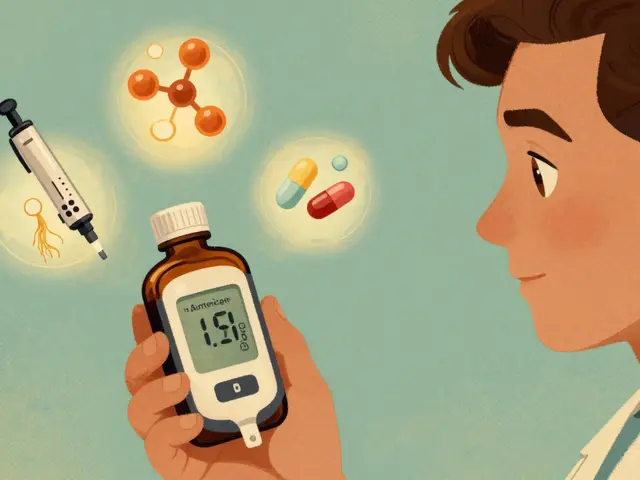
Diabetes Drugs Side Effects: What You Need to Know Before Taking Them
When you take diabetes drugs, medications used to lower blood sugar in people with type 2 or type 1 diabetes. Also known as antihyperglycemic agents, they keep your glucose in check — but they don’t come without trade-offs. Many people start these meds thinking they’re just pills that fix blood sugar. But the real story is more complicated. Side effects aren’t rare accidents — they’re predictable, documented, and often avoidable with the right info.
Take metformin, the most common first-line drug for type 2 diabetes. Also known as Glucophage, it’s safe for most — but up to 25% of users get stomach upset, diarrhea, or nausea, especially when starting out. These don’t always go away on their own. Some people stop taking it because they think it’s not working, when it’s just their body adjusting. Then there’s insulin, a hormone therapy required for type 1 diabetes and sometimes used in advanced type 2. Also known as injectable glucose-lowering agents, it can cause weight gain and dangerous drops in blood sugar if you miss a meal or overdo the dose. Hypoglycemia isn’t just a blip — it can mean confusion, seizures, or even coma if ignored. Newer drugs like GLP-1 agonists, a class including drugs like semaglutide and liraglutide. Also known as injectable diabetes medications, they help with weight loss and heart protection — but can cause vomiting, slow digestion, and in rare cases, pancreatitis. These aren’t side effects you read about in brochures. These are real, daily experiences that change how people live.
What you won’t find in most doctor’s office handouts? How these side effects stack up when you’re also on blood pressure meds, or how licorice or herbal supplements can mess with your diabetes drugs. That’s why the posts below don’t just list side effects — they show you how to spot the warning signs, what to ask your pharmacist, and how to tell if a symptom is normal or dangerous. You’ll see real comparisons between drugs, how patient experiences shaped treatment changes, and how to manage side effects without quitting your meds. This isn’t theory. It’s what people actually deal with — and how they learned to handle it.
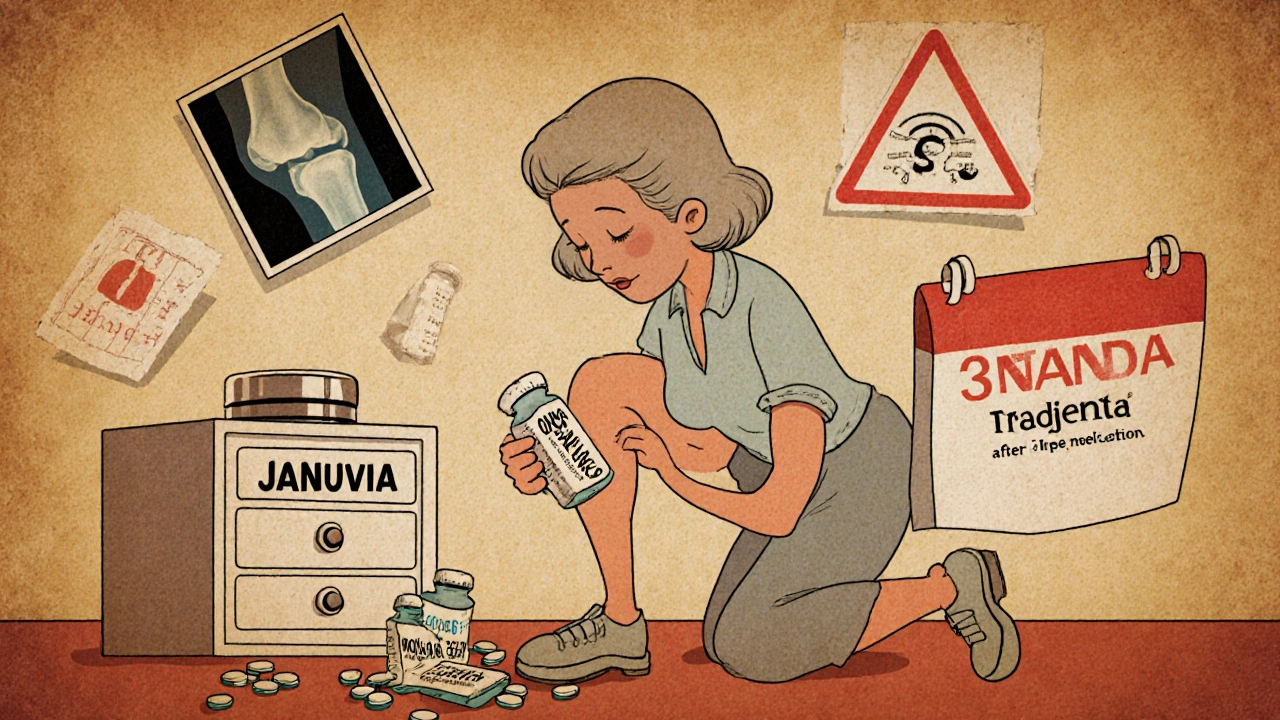
DPP-4 Inhibitors and Joint Pain: What You Need to Know
DPP-4 inhibitors help manage type 2 diabetes but can cause severe joint pain. Learn the signs, what the FDA says, how to recognize it, and what to do if you're affected.
Read MoreLatest Post
-
Hormone Therapy Combinations: Generic Choices and Considerations 17 January 2026
-

-

-
-