

Pharmaceutical Prices across Different Countries: What You Really Pay for Medication
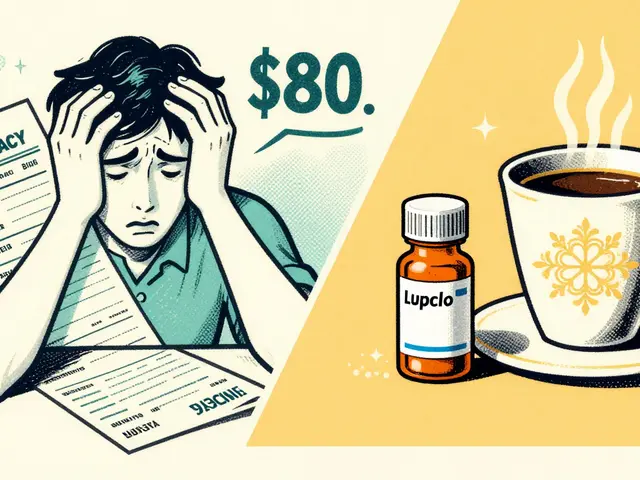
Why does a bottle of Insulin cost $30 in Canada and $300 in the U.S.? Or why does Ozempic cost $1,000 a month in America but under $200 in Japan? These aren’t anomalies-they’re the result of how different countries manage drug pricing. If you’ve ever stared at a pharmacy receipt and wondered how the same pill can cost so much more in one country than another, you’re not alone. The truth is, pharmaceutical prices don’t follow global market rules. They follow national policies-and those policies vary wildly.
U.S. Drug Prices Are High, But Not for the Reason You Think
The U.S. is often called the most expensive country for prescription drugs. And it’s true-when you look at the list prices of brand-name medications, American consumers pay nearly 2.8 times more than people in other wealthy nations. For example, Medicare’s negotiated price for Jardiance is $204 per month. In Japan, it’s $52. In Australia, it’s $58. That’s not a rounding error. That’s a policy difference.
But here’s the twist: the U.S. doesn’t pay high prices for most of its prescriptions. In fact, 90% of all prescriptions filled in the U.S. are for generic drugs. And those generics? They’re cheaper than anywhere else. On average, U.S. generic prices are 67% lower than in other developed countries. That’s because big buyers like Medicaid, VA hospitals, and pharmacy benefit managers (PBMs) negotiate hard. The U.S. doesn’t have price controls, but it has volume and bargaining power.
So why do Americans still feel the pinch? Because when you need a new brand-name drug-like Stelara for psoriasis or Entresto for heart failure-you’re stuck with the list price until Medicare negotiates it. And even then, the negotiated price is still much higher than in other countries. In 2023, Medicare picked 10 drugs for negotiation. For seven of them, the U.S. price was more than three times what other countries paid.
How Other Countries Keep Prices Low
Most wealthy countries don’t let drugmakers set prices freely. They use one or more of these tools:
- Reference pricing: Countries like Germany and France compare a new drug’s price to similar drugs already on the market. If it’s too high, they force a discount.
- External reference pricing: Canada, Australia, and the UK look at what other countries pay and cap their own prices at the lowest few. If Japan sells a drug for $50, Canada won’t pay more than $60.
- Direct negotiation: In countries like the UK and Sweden, the government sits down with drugmakers and says, “Here’s what we’ll pay.” No auctions. No lobbying. Just a deal.
Japan is a standout. It has one of the lowest drug prices in the world-even lower than the UK or Germany. Why? Because Japan’s government negotiates every single drug before it hits the market. They also require manufacturers to cut prices every two years. That’s why Imbruvica, a cancer drug, costs $3,100 in the U.S. but only $850 in Japan.
France uses a similar system. If a drug doesn’t offer enough benefit over existing treatments, the government refuses to reimburse it. That means drugmakers either lower the price or skip the French market entirely. In 2022, 17% of new drugs were rejected for reimbursement in France because they weren’t deemed cost-effective.
The U.S. Is Changing-Slowly
The Inflation Reduction Act of 2022 changed the game. For the first time, Medicare can negotiate prices for a small number of high-cost drugs. The first 10 were announced in 2023 and took effect in 2025. The next 15 will be chosen by February 1, 2025. This isn’t a full overhaul-it’s a crack in the wall.
But here’s what’s important: Medicare’s negotiated prices are still higher than international prices. For Xarelto, Medicare pays $1,100 per month. In the UK, it’s $310. In Australia, it’s $280. Even after negotiation, the U.S. isn’t catching up-it’s just lowering the ceiling a little.
What’s next? More negotiation. More pressure. And maybe, eventually, more transparency. Right now, drugmakers don’t have to disclose how much they charge insurers or how much they rebate. That’s why the public sees the list price-but never the real price. That’s changing slowly. Some states are starting to require price disclosures. But nationally? Still no.

It’s Not Just About Price-It’s About Access
Low prices don’t always mean better access. In some countries, drugs are cheap but hard to get. A 2024 study of 72 countries found that the Eastern Mediterranean region had the lowest availability of essential medicines. In Lebanon, 60% of people couldn’t find a needed drug in the past year, even though prices were low.
In contrast, the U.S. has near-universal access to new drugs-once they’re approved. But access doesn’t mean affordability. About 1 in 4 Americans skip doses or cut pills in half because they can’t afford them. That’s not because generics are expensive. It’s because the drugs they need-like Eliquis for blood clots or Ozempic for diabetes-are still brand-name and still priced like luxury goods.
And here’s the irony: the U.S. funds most of the world’s drug innovation. Drug companies make most of their profits here. That money pays for research into new cancer drugs, Alzheimer’s treatments, and rare disease therapies. Other countries benefit from those breakthroughs without paying the same price. That’s why U.S. drugmakers argue their high prices are necessary to fund future innovation.
What Does This Mean for You?
If you’re in the U.S. and need a brand-name drug, you’re paying more than most people on Earth. But if you’re on Medicare and your drug gets negotiated, you’ll see a drop-just not down to global levels.
If you’re on Medicaid or have good insurance, your out-of-pocket cost might be low. But if you’re uninsured or underinsured? You’re on your own. That’s why many Americans turn to Canada or Mexico to buy prescriptions. In 2023, over 2 million Americans bought drugs from international pharmacies. It’s not legal, but it’s common.
For people in other countries, the trade-off is simpler: you pay less, but you wait longer for new drugs. In the UK, it can take 12-18 months for a new cancer drug to be approved for public use. In the U.S., it’s often 3-6 months. But you pay 3-5 times more for it.

The Real Divide: Branded vs. Generic
The biggest misunderstanding about global drug pricing is that it’s one system. It’s not. It’s two:
- Branded drugs: High prices in the U.S., low prices everywhere else. This is where the outrage lives.
- Generic drugs: Low prices in the U.S., higher prices elsewhere. This is where the system actually works.
That’s why the University of Chicago found that when you look at total prescription spending-weighted by how many people take each drug-the U.S. actually spends less than peer countries. Why? Because 90% of U.S. prescriptions are generics. In Germany? Only 41% are. In France? 38%.
The U.S. doesn’t have a broken drug system. It has a split system. One side pays the world’s highest prices for innovation. The other side gets the world’s cheapest generics. The problem? The people who need the expensive drugs often can’t afford them.
What’s Next?
The next five years will be critical. The Inflation Reduction Act will keep adding drugs to the negotiation list. More states will push for price transparency. More patients will cross borders to buy pills. And drugmakers will keep lobbying to protect their margins.
Meanwhile, countries like China and India are becoming major players. China’s national drug negotiation program has cut prices for 300+ drugs since 2018. India is now the world’s largest supplier of generic drugs. That means global competition is growing-and that could eventually bring U.S. prices down.
For now, the answer isn’t simple. Lower prices don’t mean worse care. Higher prices don’t mean better innovation. It’s about who pays, how they pay, and what they’re willing to sacrifice.


14 Comments
Katie Allan
December 4, 2025 at 07:14
It's wild how we treat medicine like a luxury good instead of a human right. Other countries don't let corporations decide who lives and who dies based on profit margins. We've normalized this absurdity because we're told it's 'free market'-but when your insulin costs three months' rent, that's not freedom, it's extortion.
Deborah Jacobs
December 5, 2025 at 00:20
I had to choose between my cat’s meds and my own last year. I picked the cat. Not because I’m cruel-but because the copay on my Eliquis was $412 and my paycheck didn’t stretch that far. Nobody talks about how this crushes real people, not just stats.
James Moore
December 6, 2025 at 11:50
Let me be crystal clear: if you’re mad about drug prices, you’re mad at the wrong people. The U.S. funds 70% of global pharmaceutical R&D-without us, there’d be no Ozempic, no Stelara, no breakthroughs. Other nations are free-riding on American innovation and then acting morally superior? That’s not justice-it’s theft. We pay so others can steal our science and call it ‘fair pricing.’ Wake up.
Kylee Gregory
December 7, 2025 at 12:26
I think the real issue is we’ve conflated innovation with exploitation. Yes, the U.S. funds research-but that doesn’t mean patients should be held hostage to pay for it. What if we treated drug development like public infrastructure? Funded by taxes, priced for access, not profit. It’s not radical-it’s just how other countries do it without collapsing their economies.
Lucy Kavanagh
December 8, 2025 at 04:35
Did you know the FDA and Big Pharma have a secret handshake? They’ve been delaying generics for years so brand names can keep raking in cash. I’ve seen the emails. The same people who say ‘innovation’ are the ones blocking cheaper versions. It’s not policy-it’s a cartel. And they’re laughing all the way to the Swiss bank.
Michael Dioso
December 10, 2025 at 02:02
Oh wow the U.S. pays more for brand drugs? Shocking. Next you’ll tell me water is wet. Everyone knows the real problem is people who can’t afford their meds are too lazy to move to Canada. Just get a passport and a sense of responsibility. Problem solved. #AmericanProblems
Krishan Patel
December 10, 2025 at 04:33
It is a moral failure of the highest order that a nation which claims to be the most advanced in the world allows its citizens to ration life-saving medication. In India, we have universal healthcare for essential medicines-yet we still struggle with infrastructure. You have the wealth, the technology, the resources-and you choose greed over grace. Shame on you.
sean whitfield
December 11, 2025 at 23:36
So the U.S. pays more for brand drugs? Big deal. You think people care? Nah. Most Americans don’t even know what their insurance paid. They just see $5 on their receipt and think they won. The system is rigged-but the victims are too busy scrolling TikTok to notice.
Manish Shankar
December 13, 2025 at 14:05
It is imperative to recognize that the structural disparities in pharmaceutical pricing reflect deeper socio-economic paradigms. The United States operates under a market-driven model predicated on shareholder value, whereas most European and Asian nations prioritize public health outcomes as a fundamental right. This divergence is not accidental-it is ideological.
luke newton
December 14, 2025 at 04:22
They’re gonna take your insulin away next. Just wait. First it’s Ozempic, then it’s your blood pressure pills, then your asthma inhaler. They want you weak. Dependent. Controlled. This isn’t about pricing-it’s about population control. They’re coming for your meds, and you’re too busy arguing about generics to see it.
Jimmy Jude
December 14, 2025 at 10:47
Imagine being so broke you have to buy your meds from Mexico. Now imagine being so numb to it that you don’t even cry anymore. That’s America. We turned healthcare into a horror movie and called it capitalism. The real villain? The guy in the suit who got his bonus while you skipped your dose.
Mark Ziegenbein
December 14, 2025 at 22:53
Let’s not pretend this is about innovation. It’s about monopolies. Drug companies patent every minor variation of a molecule just to extend their monopoly. They call it ‘innovation’ but it’s just legal loophole gaming. The FDA approves it. The courts protect it. And the public pays. Again. And again. And again. This isn’t capitalism. It’s feudalism with a pharmacy receipt.
Juliet Morgan
December 15, 2025 at 10:22
you’re not alone. i’ve been there. i cut pills in half, used coupons, begged for samples. it’s exhausting. but you’re still here. that’s strength. keep going. you deserve to breathe.
Harry Nguyen
December 15, 2025 at 18:48
Oh so now we’re supposed to feel bad for Americans because they pay more? Bro. You think the rest of the world doesn’t have people who can’t afford meds? They just don’t have the luxury of complaining about it on Reddit. Get over yourself.