
Drug Interactions After Transplant: What You Need to Know
When you’ve had a transplant, your body is on a tightrope. You need immunosuppressants, medications that prevent your immune system from attacking the new organ to keep your transplant alive. But these same drugs don’t play well with others. A simple over-the-counter painkiller, a herbal supplement, or even grapefruit juice can trigger dangerous drug interactions after transplant, harmful changes in how medications work when taken together. These aren’t theoretical risks—they’re real, documented, and often preventable. Too many patients end up back in the hospital because they didn’t know their daily vitamins or cold medicine could spike their creatinine levels or trigger organ rejection.
It’s not just about the big-name drugs like tacrolimus or cyclosporine. Even common things like antibiotics, medications used to treat infections, which can alter how immunosuppressants are broken down in the liver can throw off your entire regimen. Some antibiotics raise blood levels of your transplant meds to toxic levels. Others make them work less effectively, leaving your new organ vulnerable. Then there’s grapefruit, a fruit that blocks enzymes needed to process many transplant drugs, causing dangerous buildup. One grapefruit a day can do more harm than skipping a dose. And don’t assume natural means safe. St. John’s wort, echinacea, garlic supplements—they all interfere. One study found over 60% of transplant patients took at least one supplement that clashed with their meds, and most didn’t tell their doctor.
Monitoring isn’t just about blood tests. It’s about knowing what you’re putting in your body every day. Your transplant team tracks drug levels, kidney function, and signs of rejection—but they can’t read your mind. If you start a new medicine, stop one, or even try a new tea, you need to speak up. The drug interactions after transplant aren’t always obvious. Sometimes the only warning is a sudden headache, unexplained fatigue, or swelling in your ankles. These aren’t just side effects—they could be your body screaming that your transplant is under threat.
What you’ll find below isn’t just theory. These posts come from real cases, real mistakes, and real fixes. You’ll learn how to read your medication guides for hidden warnings, how to spot when a new drug might be risky, and what to ask your pharmacist before you walk out the door. No fluff. No jargon. Just what you need to protect your transplant—and your life.
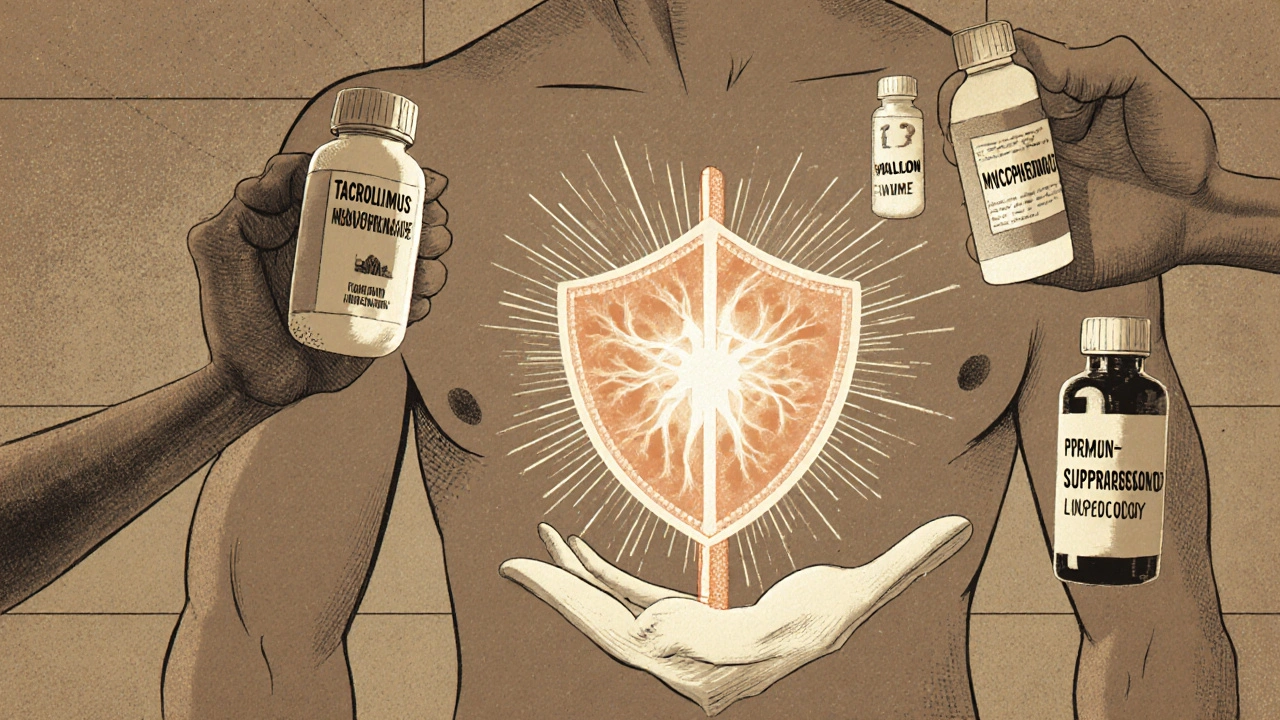
Organ Transplant Recipients: Immunosuppressant Drug Interactions and Side Effects
Organ transplant recipients must take lifelong immunosuppressant drugs to prevent rejection, but these medications carry serious side effects and dangerous drug interactions. Learn how tacrolimus, mycophenolate, and steroids impact health, what to watch for, and how modern protocols are improving outcomes.
Read MoreLatest Post
-
GERD Management: Diet, Lifestyle, and Acid Reflux Medications 26 January 2026
-

-
-
How to Read FDA Safety Communications for Your Medications 20 February 2026
-

How to Get Free Samples Ethically and Track Lot Expiration 18 February 2026