
Epinephrine Safety: What You Need to Know About Use, Risks, and Proper Handling
When someone’s airway starts closing or their blood pressure crashes from a severe allergy, epinephrine, a life-saving hormone and medication used to reverse anaphylaxis. Also known as adrenaline, it’s the first and most critical tool in stopping a fatal reaction. But epinephrine isn’t harmless—it’s powerful, and using it wrong can cause serious harm. Knowing when, how, and why to use it isn’t just helpful—it’s essential.
Epinephrine works by tightening blood vessels, opening airways, and boosting heart function. It’s the only medication that can stop anaphylaxis in its tracks. But it’s not a cure-all. People often delay using it because they’re scared of side effects like a racing heart, shaking, or intense anxiety. Those symptoms are normal and temporary—they mean the drug is working. The real danger is waiting too long. Studies show that every minute without epinephrine during anaphylaxis increases the chance of death. If you or someone you care about has a history of severe allergies, you need to know how to use an auto-injector correctly. That means practicing with a trainer device, keeping it at room temperature, and never letting it expire. Many people keep epinephrine in hot cars or cold fridges, which ruins the medicine. And if you’re unsure whether to use it, use it anyway. Better to give it and have a panic than to hold back and regret it.
Epinephrine isn’t the only thing you need to manage. You also need to understand what triggers reactions, how to recognize early signs, and why you still need emergency care after using it. Even if you feel better after the shot, you must go to the ER. The reaction can come back—sometimes worse. Also, not all epinephrine devices are the same. EpiPen, Auvi-Q, Adrenaclick—they work differently. Know yours. Know how to hold it. Know how to click it. And teach the people around you. Kids, teachers, coworkers, flight attendants—they all need to know what to do. And don’t assume a second dose is always needed. Most reactions are controlled with one shot. But if symptoms don’t improve in 5 to 15 minutes, a second dose may be required. That’s why carrying two is often recommended.
There’s also a growing concern about access and cost. Generic epinephrine is available now, but many people still skip refills because of price. A life-saving drug shouldn’t be a luxury. If you’re struggling to afford it, ask your pharmacy about patient assistance programs. Some manufacturers offer free or discounted devices to those who qualify.
Below, you’ll find real-world advice from people who’ve lived through allergic emergencies, guides on avoiding medication mix-ups, and clear explanations of how drugs interact with other substances. Whether you’re managing your own condition or helping someone else, these posts give you the practical, no-nonsense knowledge you need to stay safe.
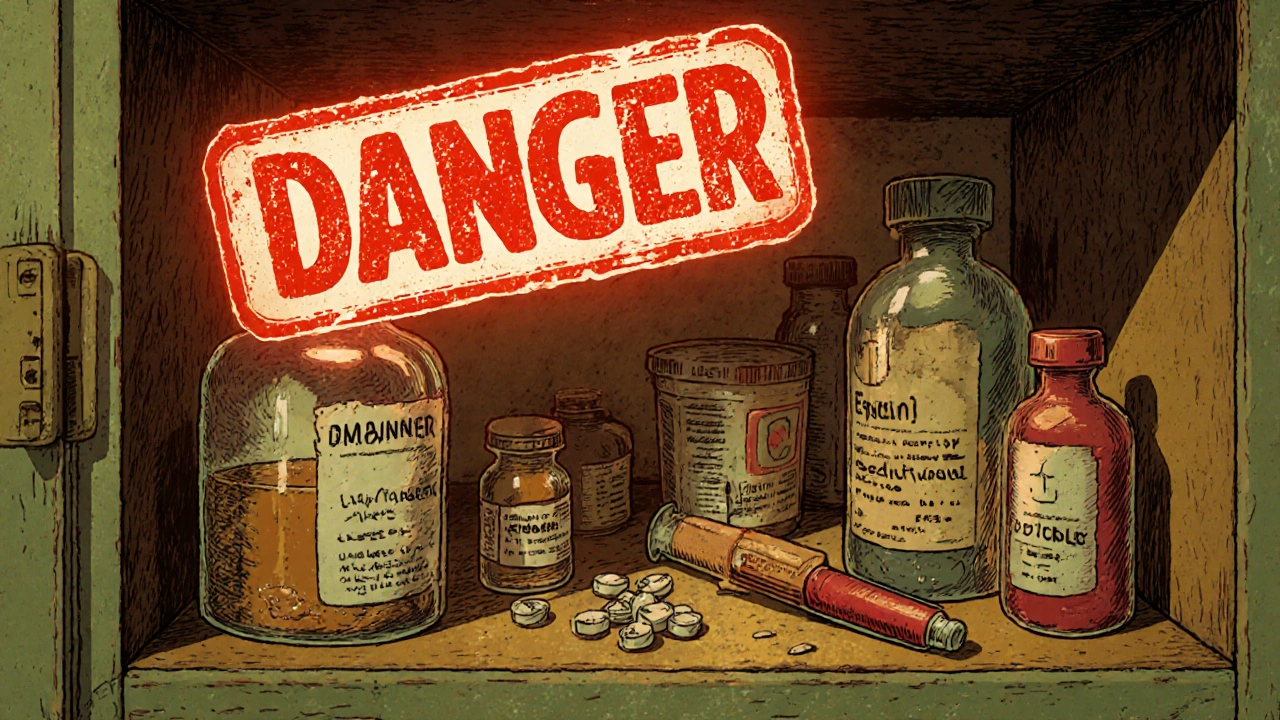
Medications You Should Never Use After the Expiration Date
Some medications lose potency after expiration, but others can become dangerous. Learn which drugs you should never use past their expiration date-including insulin, epinephrine, and liquid antibiotics-and how to store and dispose of them safely.
Read MoreLatest Post
-
-

-
-
How to Buy Cheap Generic Premarin Online - Safe Guide & Cost Comparison 26 September 2025
-
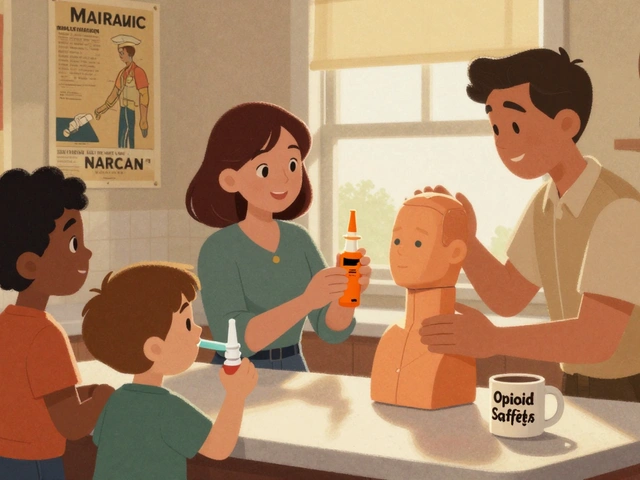
Naloxone Readiness Plan: How to Keep Patients Safe on Opioids 8 December 2025