Expired Antibiotics: Risks, Real Dangers, and What to Do Instead
When you find an old bottle of expired antibiotics, antibiotic medications past their labeled expiration date that may no longer kill bacteria effectively or could break down into harmful compounds, it’s not just about wasting money—it’s about safety. The FDA and major health agencies agree: using expired antibiotics can lead to treatment failure, longer illness, or even life-threatening infections. Unlike some pills that simply lose strength, certain antibiotics—especially liquid antibiotics, like amoxicillin suspension or cephalexin oral solution—can degrade into substances that irritate your stomach or trigger allergic reactions. These aren’t theoretical risks. Real cases have been documented where patients developed severe diarrhea, kidney stress, or resistant infections after taking old antibiotics.
Not all expired drugs are equally dangerous, but with antibiotics, the stakes are higher. If you’re taking them to fight a bacterial infection and the dose is too weak, the bacteria don’t die—they adapt. That’s how superbugs like MRSA spread. Even if the bottle looks fine, the chemical structure changes over time, especially if it’s been stored in a hot bathroom or left in a car. Medication storage matters just as much as the expiration date. Solid forms like tablets or capsules might hold up longer, but you can’t be sure they’re still effective. And if you’re treating something serious—like a urinary tract infection, pneumonia, or a wound infection—guessing isn’t an option. The same goes for expired medications like insulin or epinephrine, which are known to become unsafe after expiration, but antibiotics are uniquely risky because they’re meant to kill living organisms. You’re not just taking a pill—you’re starting a war inside your body, and if your weapon is dull, the enemy wins.
So what should you do? Never take an antibiotic unless it’s current, prescribed, and from a trusted pharmacy. If you have old ones, don’t flush them or toss them in the trash. Many pharmacies offer free take-back programs, or you can check with your local health department. And if you’re ever unsure whether a medicine is still good, call your pharmacist. They can tell you if it’s safe based on the drug, form, and how it was stored. You don’t need to risk your health for a few dollars saved. The real cost of using expired antibiotics isn’t the price tag—it’s the time, pain, and danger you might face when the treatment fails. Below, you’ll find real-world insights from people who’ve dealt with this, plus expert advice on what to keep, what to toss, and how to avoid this mistake next time.
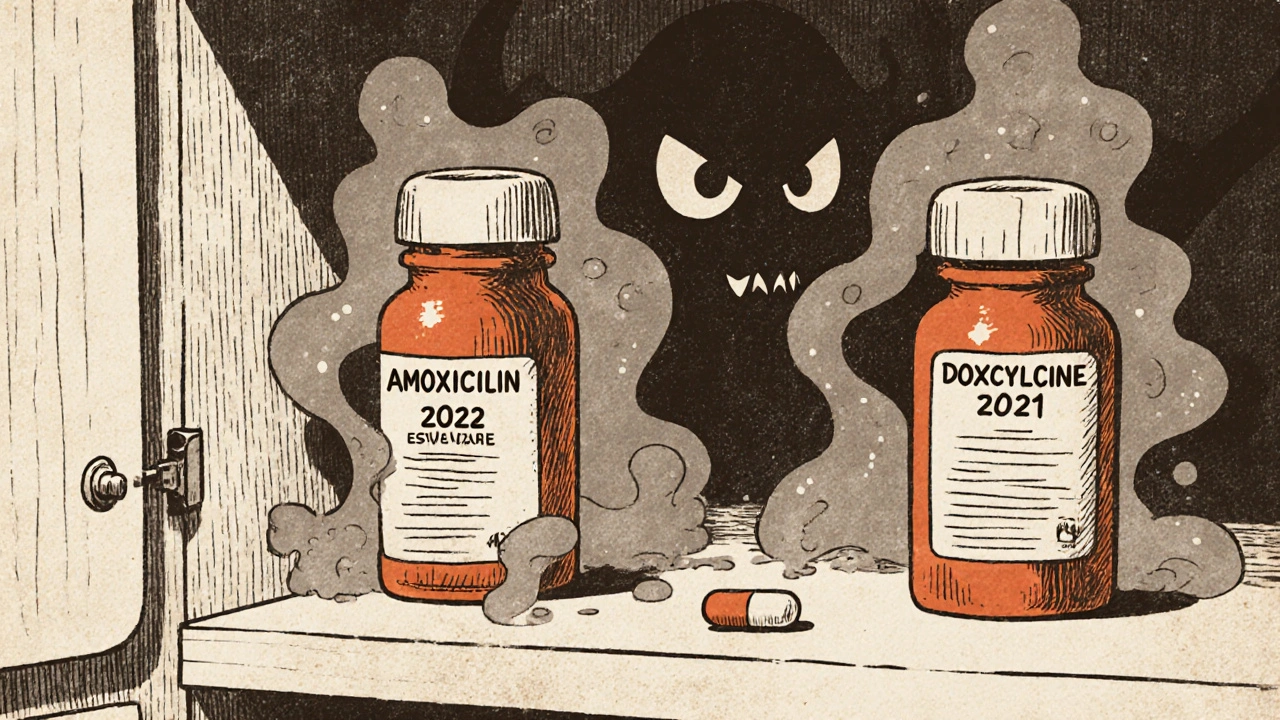
Antibiotic Effectiveness After Expiration Dates: What You Really Need to Know
Expired antibiotics may still look fine, but they often lose potency and can fuel dangerous antibiotic resistance. Learn what really happens when you take them, which types are safer, and when it's never okay.
Read MoreLatest Post
-
-

Essential Oils for Menopause Relief: Aromatherapy Guide 4 October 2025
-
Medexil vs Other Sildenafil Options: Detailed Comparison 7 October 2025
-
Order Prelone Online: Your Safe and Secure Pharmacy Option 9 December 2023
-