
Expired Medications: What Happens When Pills Go Bad and How to Stay Safe
When you find an old bottle of pills in the back of your medicine cabinet, you might wonder: expired medications, drugs that have passed their manufacturer’s labeled expiration date. Are they still safe to take, or are they just dangerous trash? The answer isn’t simple. Most expired medications don’t turn poisonous overnight, but they often lose strength—and that can be just as risky. If your blood pressure pill is 30% weaker, your heart might not get the protection it needs. If your insulin has degraded, your blood sugar could spike dangerously. The FDA says expiration dates are the last day the manufacturer guarantees full potency and safety. That doesn’t mean the drug turns toxic the next day, but it also doesn’t mean it still works like it should.
drug safety, the practice of using medications correctly to avoid harm isn’t just about avoiding overdoses. It’s also about knowing when a drug no longer does what it’s supposed to. Antibiotics that have lost potency won’t kill bacteria—they might just train them to resist treatment. Epinephrine auto-injectors for severe allergies? Those can fail completely after expiration, and there’s no second chance. Even common pain relievers like ibuprofen or acetaminophen can break down into compounds that don’t work as well. Storage matters too. Heat, moisture, and sunlight speed up degradation. A bottle kept in a hot bathroom or a sunny windowsill might go bad months before its printed date.
medication expiration, the official date after which a drug’s effectiveness is no longer guaranteed isn’t just a legal label. It’s a warning. Some drugs, like liquid antibiotics, nitroglycerin, or insulin, degrade fast and must be treated like time-sensitive tools. Others, like tablets or capsules, might hold up longer—but you can’t tell by looking. No one can test your old pills at home. If the label says "expires 10/2023," and today is 2025, don’t guess. Throw it out. pharmaceutical waste, unused or expired drugs that need proper disposal isn’t just trash—it’s a public health issue. Flushing pills pollutes water. Tossing them in the trash risks kids or pets finding them. The best way? Use a drug take-back program at a pharmacy or police station. If none exist, mix pills with coffee grounds or cat litter, seal them in a bag, and throw them away. Never keep expired meds around "just in case." That’s how accidental overdoses and ineffective treatments happen.
What you’ll find below are real stories and practical guides from people who’ve dealt with the consequences of outdated drugs, the science behind why they fail, and how to handle them right. From how to read your prescription label to what happens when a life-saving drug loses its punch, these posts give you the facts—not myths—so you can protect yourself and your family.
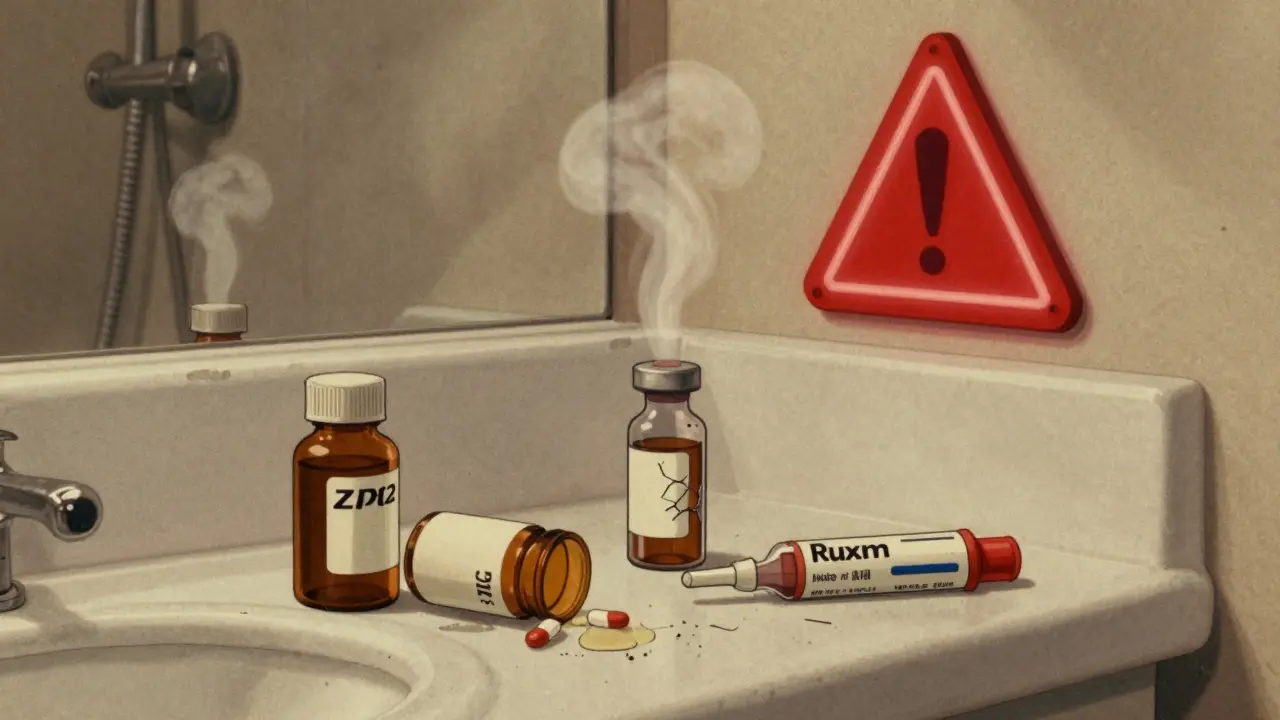
When Expired Medications Become Toxic and Dangerous: What You Need to Know
Most expired medications are safe but less effective-but a few, like insulin and nitroglycerin, can become dangerous. Learn which drugs to never use past their date and how storage affects their safety.
Read More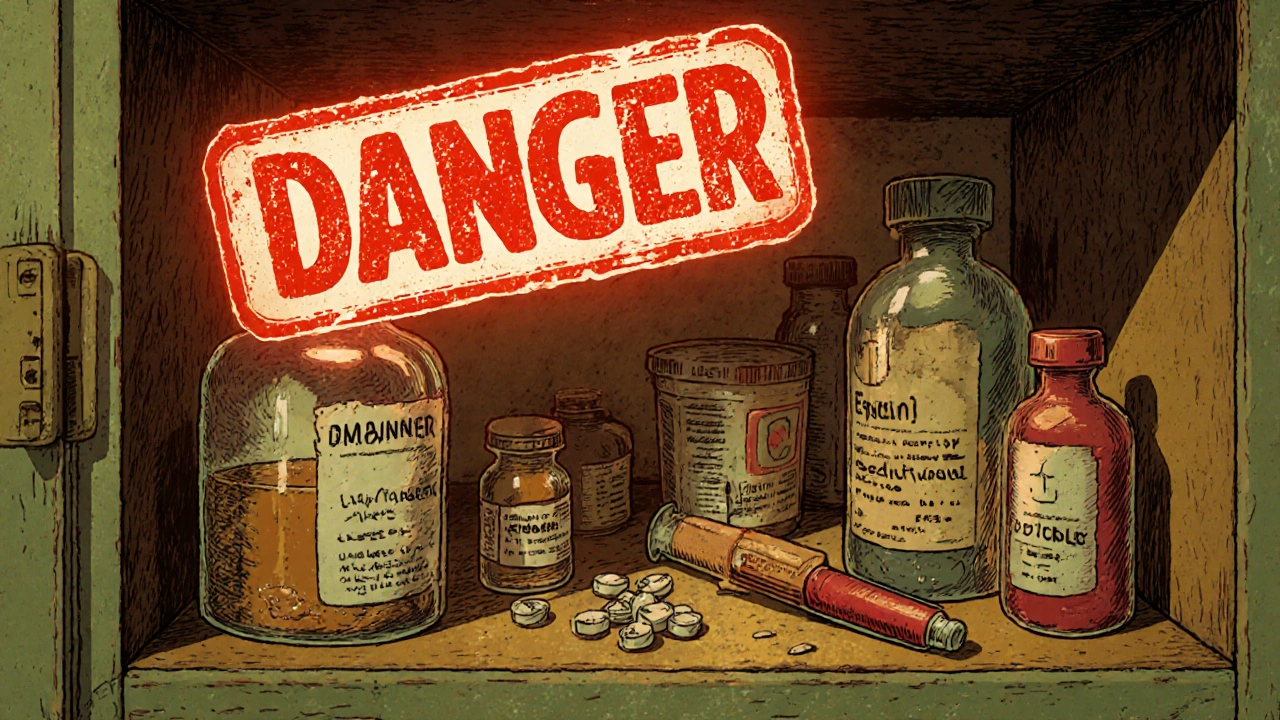
Medications You Should Never Use After the Expiration Date
Some medications lose potency after expiration, but others can become dangerous. Learn which drugs you should never use past their expiration date-including insulin, epinephrine, and liquid antibiotics-and how to store and dispose of them safely.
Read MoreLatest Post
-
Setting Up Medication Reminders and Alarms That Work 27 February 2026
-
-
-
-
