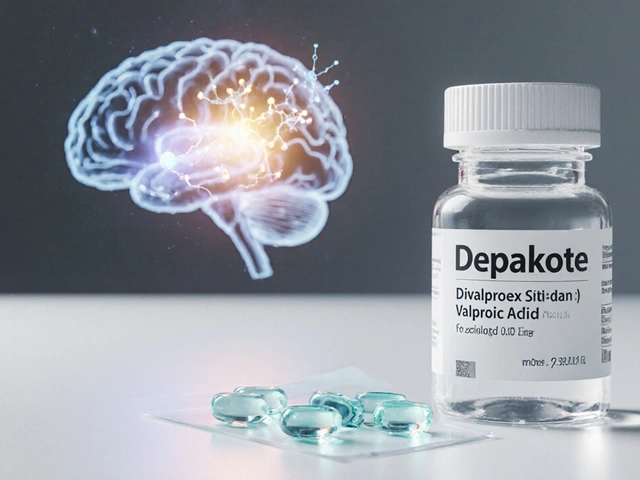
Generic Drug Dose Adjustment: When and Why Your Medication Dose Might Change
When you switch from a brand-name drug to a generic, you expect the same effect at a lower price. But for some medications, that’s not always true. Generic drug dose adjustment, the process of changing the amount of a medication after switching to a generic version. Also known as therapeutic equivalence monitoring, it’s critical for drugs where tiny differences in absorption can cause serious side effects or treatment failure. This isn’t about generics being inferior—it’s about how your body responds to subtle variations in how the drug is made.
Some drugs have a narrow therapeutic index, a small range between the effective dose and the toxic dose. Also known as NTI drugs, they leave little room for error. Think of levothyroxine, a thyroid hormone replacement used for hypothyroidism. Also known as Synthroid or generic levo, it’s one of the most common medications that need close monitoring after a generic switch. Even a 5% change in how much your body absorbs can push your thyroid levels out of range, causing fatigue, weight gain, or heart problems. The same goes for warfarin, a blood thinner that prevents clots. Also known as Coumadin, it’s another NTI drug where generic switches can lead to dangerous bleeding or clots if the dose isn’t checked. These aren’t edge cases—they’re everyday prescriptions millions rely on.
It’s not just thyroid and blood thinners. Some seizure meds, antidepressants, and immunosuppressants after transplants also need careful tracking. The FDA says generics are bioequivalent, but bioequivalent doesn’t mean identical in every person’s body. Your metabolism, stomach acidity, or even what you eat can change how a generic version works for you. That’s why your doctor might check your blood levels after a switch—especially if you’ve had stable results on the brand name. It’s not about distrust in generics; it’s about personalized safety.
What you’ll find below are real stories and practical guides on when dose changes happen, which drugs demand attention, how to spot trouble early, and what to say to your pharmacist or doctor if something feels off. No fluff. Just what you need to stay safe when switching to a cheaper version of your medicine.
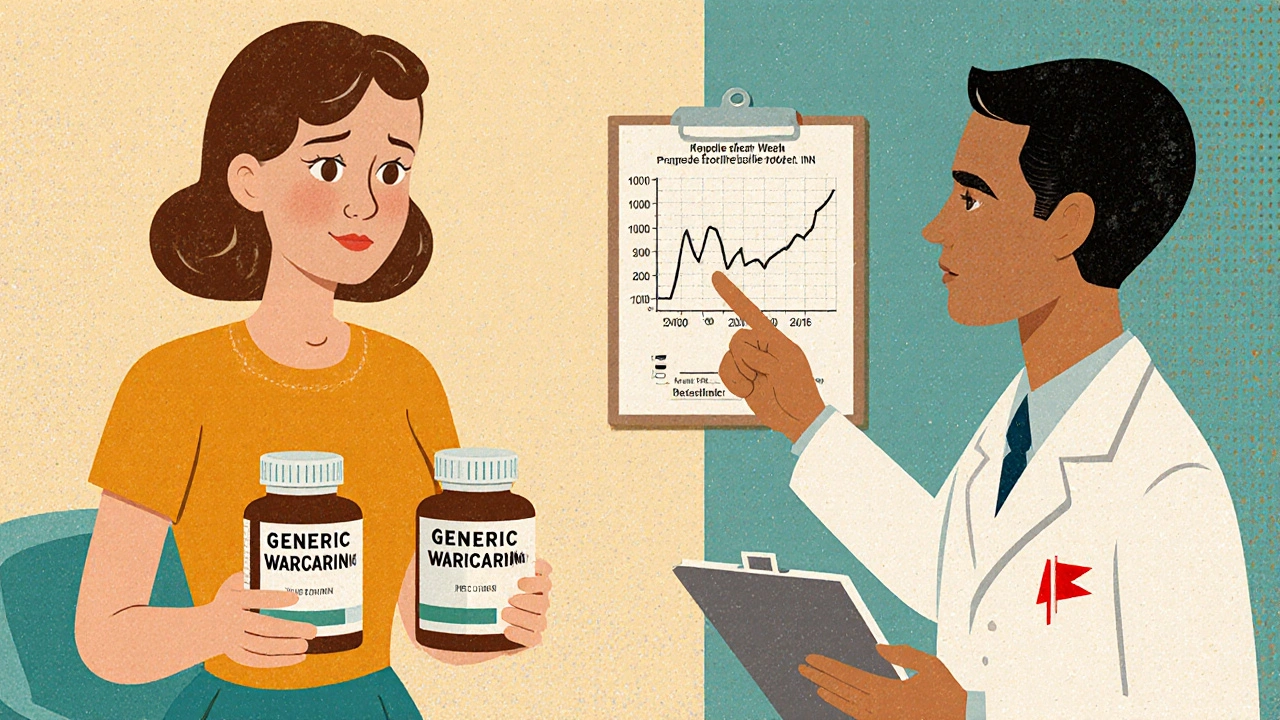
When Doctors Adjust Doses After Switching to Generic Medications
Switching to generic medications can be safe-but for certain drugs like warfarin, levothyroxine, and phenytoin, even small changes can cause serious side effects. Learn when dose adjustments are needed and how to protect yourself.
Read MoreLatest Post
-
-

When Doctors Adjust Doses After Switching to Generic Medications 28 November 2025
-

Dramamine vs Alternatives: Which Motion Sickness Remedy Is Best? 20 October 2025
-
-