
HBV Reactivation: What It Is, Why It Happens, and How to Prevent It
When HBV reactivation, the sudden return of hepatitis B virus activity after being dormant. Also known as hepatitis B flare, it can happen even if you never had symptoms before. This isn’t just a lab result—it’s a medical emergency that can lead to liver failure, especially in people getting cancer treatments, biologics, or immune-suppressing drugs.
HBV reactivation doesn’t happen out of nowhere. It’s triggered by immunosuppression, the weakening of the body’s immune defenses. This includes drugs like rituximab for lymphoma, corticosteroids for autoimmune diseases, or even chemotherapy for breast cancer. The virus, hidden in liver cells for years, wakes up when the immune system can’t keep it in check anymore. People who tested positive for HBsAg or even just anti-HBc antibodies are at risk—even if they were told they were "cleared" or "resolved." And here’s the scary part: many doctors still don’t screen for it before starting treatment. A 2021 study in Journal of Hepatology found that over 40% of high-risk patients weren’t tested before starting immunosuppressive therapy.
Antiviral therapy, medications like entecavir or tenofovir that suppress hepatitis B virus is the only proven way to prevent reactivation. Starting these drugs before immunosuppression begins cuts the risk by more than 90%. It’s not optional—it’s standard care for high-risk groups. But it’s not just about taking pills. You need to know your HBV status before any major treatment. If you’ve ever had hepatitis B, lived in a country where it’s common, or had a blood transfusion before 1992, get tested. No symptoms? Doesn’t matter. The virus doesn’t ask for permission.
The good news? This is one of the most preventable complications in modern medicine. But prevention only works if you know you’re at risk. That’s why the posts below cover everything from real-world cases where HBV reactivation nearly killed someone after a simple steroid course, to how zidovudine and Combivir—both used in HIV treatment—interact with hepatitis B, and why some patients need dual antiviral coverage. You’ll also find guides on how to talk to your doctor about screening, what blood tests actually mean, and why skipping a simple HBsAg test can cost you your liver.
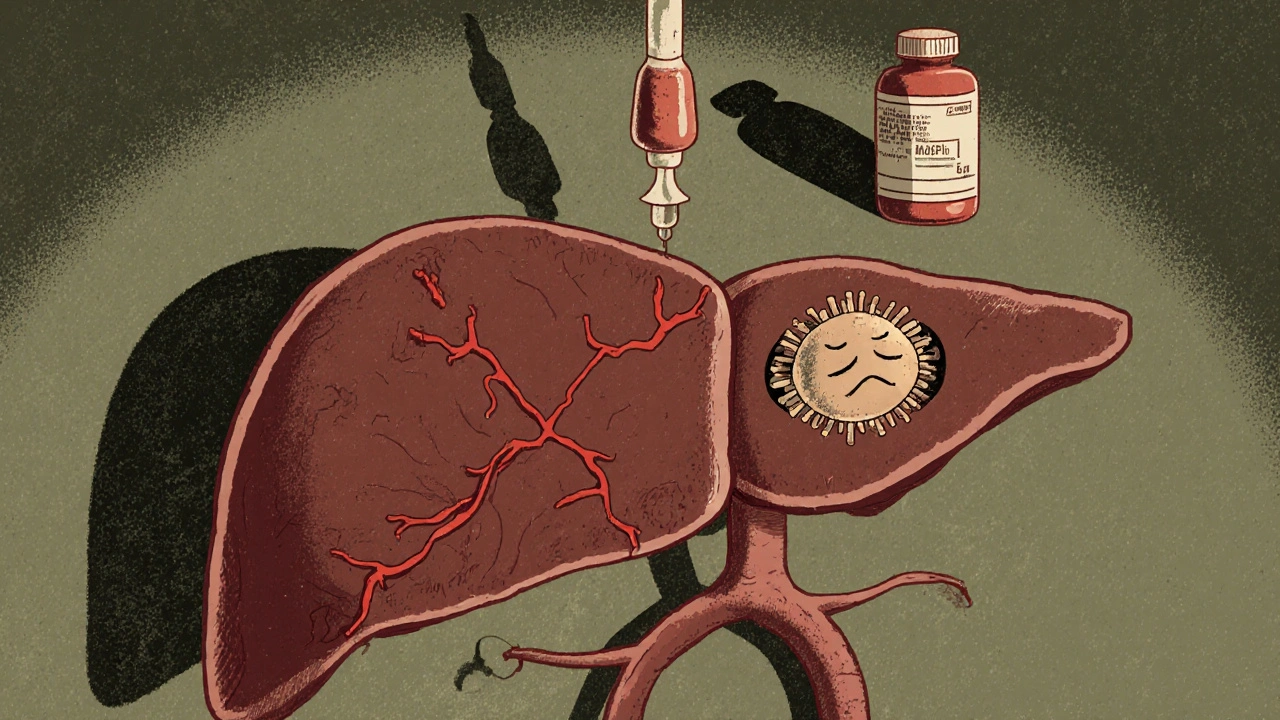
HBV Reactivation: How Biologics and Chemotherapy Trigger Liver Danger - And How to Stop It
HBV reactivation can cause liver failure in patients on chemotherapy or biologics. Screening for hepatitis B before treatment and using antiviral prophylaxis can prevent deadly complications - but too many patients still go unprotected.
Read MoreLatest Post
-

-
-

Altraz (Anastrozole) vs Alternatives: Full Comparison Guide 28 September 2025
-
-

How to Safely Combine Benzoyl Peroxide with Other Acne Treatments 22 September 2025