India pharmacy of the world: How India Supplies Generic Drugs Globally
When you take a generic version of a brand-name drug, there’s a good chance it came from India pharmacy of the world, a global leader in producing affordable, high-quality generic medications. Also known as the pharmaceutical hub of the developing world, India makes over 20% of all generic medicines used globally — from antibiotics to heart meds — and ships them to places like the U.S., Europe, Africa, and Latin America.
How does India do it? It boils down to three things: strong patent laws that allow copying after patents expire, low manufacturing costs, and a massive, skilled workforce. Unlike the U.S., where drug companies can extend monopolies for years, India’s system lets local companies start making generics as soon as a patent ends. This drives prices down — sometimes by 90%. A month’s supply of a brand-name drug might cost $300 in America, but the same generic from India could be under $10. That’s why hospitals, insurers, and patients worldwide rely on Indian-made pills.
But it’s not just about cost. generic drugs, medications with the same active ingredients as brand-name versions but sold under their chemical names. Also known as non-branded medicines, they must meet strict quality standards set by the WHO, FDA, and other regulators. Many Indian factories are inspected by the U.S. FDA and pass at rates higher than some U.S. plants. The real difference? Scale and focus. Indian manufacturers don’t spend millions on ads or fancy packaging — they focus on making safe, effective pills as cheaply as possible.
That’s why pharmaceutical manufacturing, the industrial process of producing medicines under regulated conditions. Also known as drug production, it’s a tightly controlled field where contamination, dosage accuracy, and stability matter just as much as price is so advanced in India. Facilities in states like Gujarat and Andhra Pradesh run 24/7, using automation and trained technicians to produce billions of tablets and capsules each year. These aren’t shady operations — they’re certified, audited, and often export to countries with the strictest drug rules.
And then there’s drug pricing, how much a medicine costs based on production, regulation, and market control. Also known as pharmaceutical cost structures, it’s where India’s model shines — by cutting out middlemen and avoiding patent monopolies, they keep prices low. While U.S. drug companies charge what the market will bear, Indian firms compete on volume. That’s why Medicare Part D, Medicaid, and even private insurers in the U.S. buy billions of dollars’ worth of Indian generics every year.
It’s not perfect. There are supply chain risks, quality control lapses in some smaller labs, and political pressure from big pharma. But the facts don’t lie: millions of people, especially in low-income countries, stay alive because of affordable drugs from India. Whether it’s HIV meds, insulin, or blood thinners, if you’re taking a generic, you’re probably using something made there.
Below, you’ll find real-world guides on how these drugs get made, how they compare to brand-name versions, what happens when prices shift, and how to spot safe sources. From how to handle dose changes after switching to a generic to why some meds expire faster than others — this collection breaks down what you need to know about the medicines you take, and where they really come from.
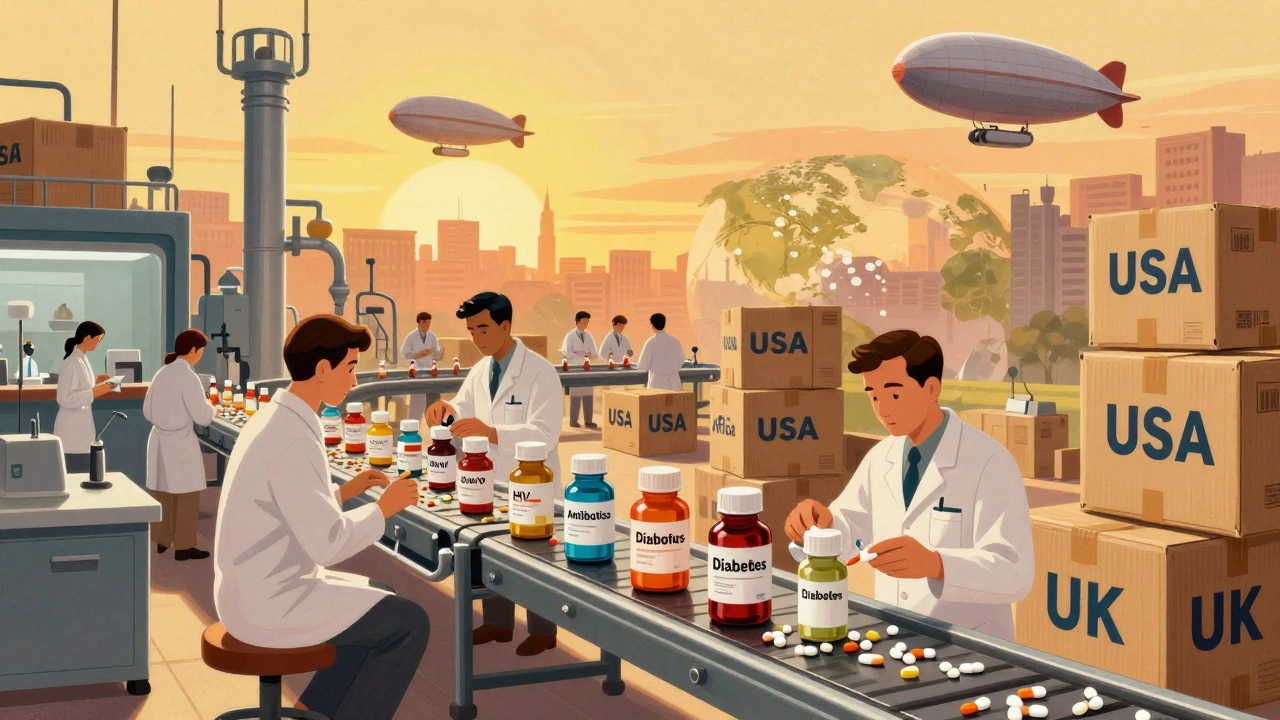
Indian Generic Manufacturers: The World's Pharmacy and Exports
India produces 20% of the world's generic medicines and over 60% of its vaccines. Learn how low-cost, high-quality manufacturing made it the global pharmacy - and what's next for its billion-dollar industry.
Read MoreLatest Post
-

Affordable Bactrim Online: A Comprehensive Guide 28 December 2024
-
-
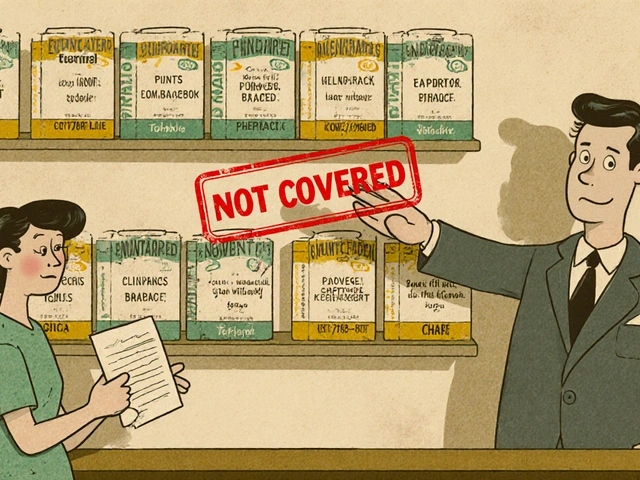
Non-formulary generics: what to do when coverage is denied 26 November 2025
-
-