Inhaler Storage: How to Keep Your Medication Effective and Safe
When you rely on an inhaler, a handheld device that delivers medicine directly to the lungs for conditions like asthma or COPD. Also known as a puffer, it’s not just a tool—it’s your lifeline when breathing gets hard. But if you store it wrong, that lifeline can fail without you even knowing it. Many people keep their inhalers in the bathroom, the car, or a hot drawer—and don’t realize they’re slowly ruining the medicine inside. The active drug doesn’t vanish overnight, but it weakens. And when you need it most, it might not work at all.
Medication potency, how strong and effective the drug still is after being stored depends heavily on environment. Most inhalers should be kept between 59°F and 77°F. Too cold? The propellant can thicken and not spray right. Too hot? The chemicals break down faster. Humidity is just as bad. Leaving your inhaler in a steamy bathroom or a damp gym bag invites moisture that can clog the nozzle or degrade the drug. Even sunlight can do damage—some inhalers come in dark plastic for a reason. And don’t assume your inhaler is fine just because it still makes a hissing sound. That doesn’t mean the medicine inside is still good.
Asthma inhaler, a type of inhaler used to treat sudden breathing attacks with fast-acting bronchodilators like albuterol and COPD inhaler, a device delivering long-term control meds like tiotropium or fluticasone for chronic lung disease both need the same care. One study found that inhalers left in cars on hot days lost up to 40% of their labeled dose within weeks. That’s not a small drop—it’s the difference between relief and an emergency room visit. Always check the label. Most inhalers have a printed expiration date, but even before that, they can lose effectiveness after 3 months of regular use if stored poorly. Keep them in a cool, dry place—like a bedroom drawer, not the glovebox. Don’t rinse the mouthpiece with water unless the instructions say to. And always shake it before use, even if you just used it an hour ago.
People often forget that inhalers have a limited number of puffs. Once you hit that number—even if the canister still feels heavy—the medicine inside is gone. Tracking your puffs matters more than you think. If you’re using your rescue inhaler more than twice a week, your condition isn’t under control. That’s not a sign to use more inhaler—it’s a sign to talk to your doctor. And if your inhaler has been dropped, exposed to extreme temps, or left in a car for days, don’t risk it. Replace it. Your lungs don’t negotiate.
What you’ll find below are real, practical guides on how to handle your inhaler correctly—from storing it safely to knowing when it’s time to throw it out. You’ll learn how temperature, humidity, and even how you hold the device can make or break your treatment. These aren’t theory pages. They’re written by people who’ve seen what happens when inhalers fail. And they’ll help you avoid becoming one of those stories.
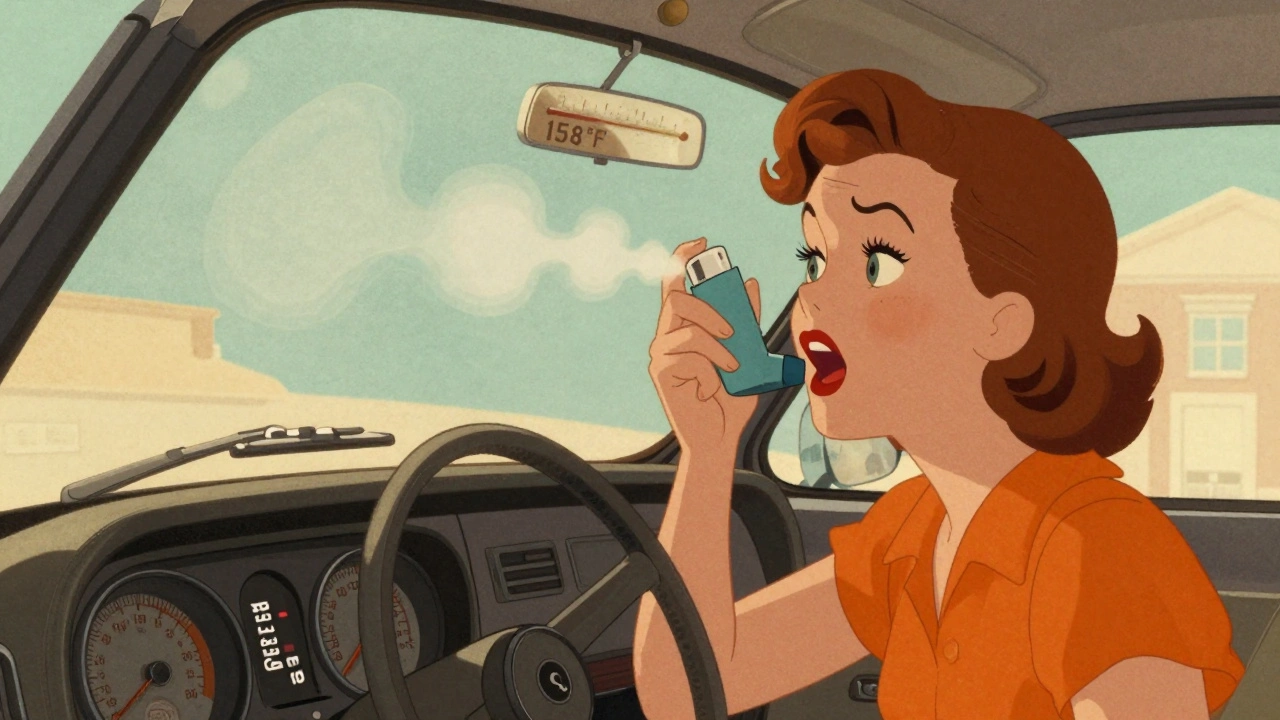
How to Store Inhalers and Nebulizer Medications Safely: Temperature, Humidity, and Common Mistakes
Learn how to store inhalers and nebulizer medications safely to ensure they work when you need them most. Avoid common mistakes, understand temperature and humidity limits, and protect your respiratory health.
Read MoreLatest Post
-

-
-
Medicare Part D Formularies: How Generic Coverage Works in 2025 1 December 2025
-
-