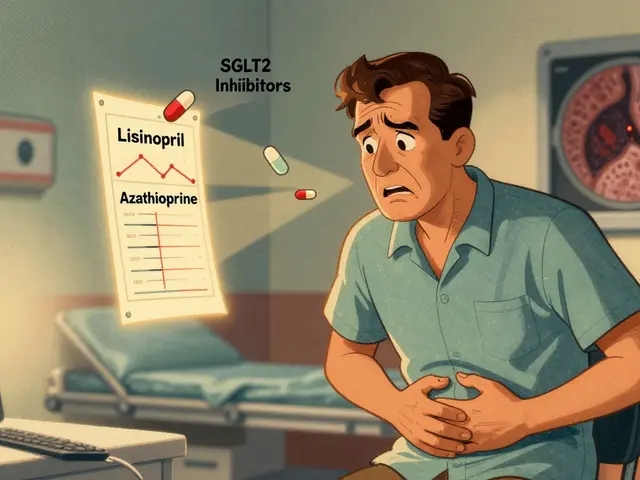
Insurance Coverage Denied: Why It Happens and What to Do Next
When your insurance coverage denied, a decision by a health insurer to refuse payment for a prescribed medication, procedure, or service. Also known as a claim denial, it’s one of the most frustrating moments in managing your health care—especially when you’ve followed every rule.
Denials don’t happen randomly. They’re often tied to prior authorization, a requirement by insurers that doctors get approval before prescribing certain drugs or treatments. Drugs like liver transplant immunosuppressants, generic SPC blood pressure combos, or even levothyroxine doses after a switch can trigger these checks. Insurers use them to control costs, but too often, the system treats patients like numbers, not people. If your doctor prescribed something based on medical need, and your insurer says no, it’s not necessarily because it’s unnecessary—it might just be too expensive for their plan.
Another common reason is formulary restrictions, a list of medications an insurance plan agrees to cover. If your drug isn’t on that list, or if there’s a cheaper generic alternative they want you to try first, you’ll get denied—even if your body reacts poorly to the substitute. This is why switching to a generic medication for drugs like warfarin or phenytoin can backfire without warning. These are NTI drugs, where tiny differences in formulation can change how your body responds. Your doctor might have chosen the brand for a reason, but insurers don’t always listen.
Then there’s the appeals process, the formal way you challenge a denial and request a review. Most people give up after the first no. But if you act fast and gather the right paperwork—your doctor’s letter, lab results, even a copy of the medication guide from the FDA—you can turn things around. Many denials are overturned on appeal, especially when you show clear medical necessity. You’re not fighting just for a pill; you’re fighting for your health plan to honor its promise.
Don’t confuse denial with finality. Every post in this collection walks you through real cases: why antihypertensive combination generics get blocked, how HBV prophylaxis gets denied despite guidelines, and what to say when your insurer refuses to cover everolimus for a rare disease. You’ll learn how to read the fine print, how to talk to your pharmacy about prior auth, and when to escalate to your state’s insurance commissioner. This isn’t about legal jargon. It’s about knowing your rights, asking the right questions, and refusing to accept "no" as an answer when your health is on the line.
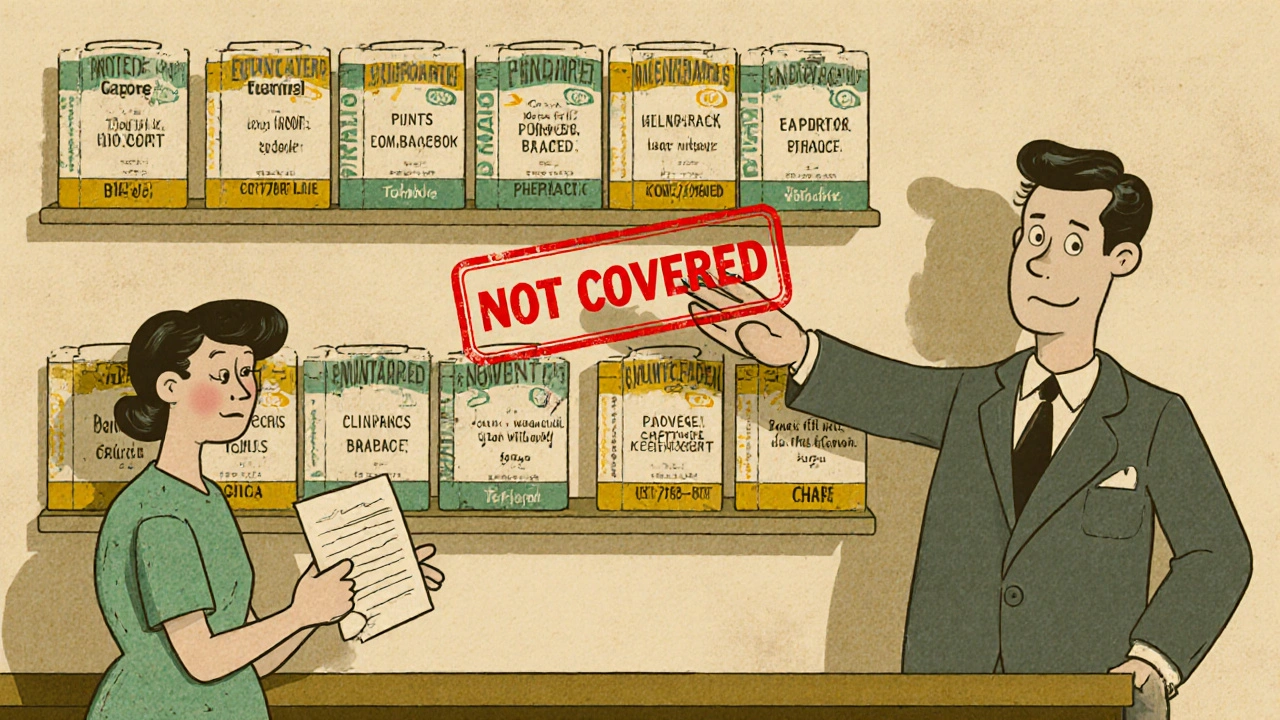
Non-formulary generics: what to do when coverage is denied
When your insurance denies coverage for a generic drug, you’re not out of options. Learn how to appeal non-formulary generic denials using federal exceptions processes, clinical documentation, and state-specific rights to get the medication you need.
Read MoreLatest Post
-
Top Natural Alternatives to Aspirin for Effective Pain Relief 19 October 2025
-

How to Buy Cheap Generic Premarin Online Safely 26 September 2025
-

How to Keep a Symptom Diary for Suspected Drug Reactions 4 December 2025
-
-